
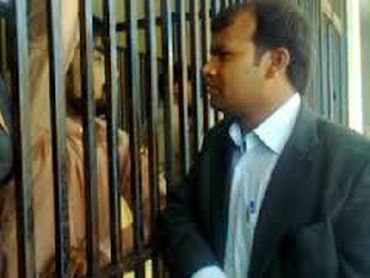
MADRID / INTERNATIONAL: Human rights defender and lawyer Sardar Mushtaq Gill, Founder and International Advocacy Director of LEAD Ministries, has w
Minorities are ignored in matters of national security. A Report by Khalid Shahzad

While the growing and new wave of terrorism in Pakistan has awakened the government and defence institutions to adopt their policies anew, international forces and anti-national organisations have also turned the tide of criticism towards the current government and our forces.
Our forces and civil institutions have also strengthened the defense of the country by sacrificing their lives for the security of the country for the past several years, for which we value our soldiers and army and we as Pakistanis have always remembered the sacrifices made by the police and the army. National conferences on national security issues in Pakistan may have many reasons for the neglect of minorities, including social, political, historical, and institutional reasons. This is a complex issue that can be analyzed from different angles.
1. The traditional concept of national security and the inclusion of minorities The traditional narrative of national security in Pakistan revolves mostly around internal and external threats, military policies, and state stability. Defense institutions, political leaders, and policymakers are usually invited to the conferences on these issues, while representatives of minorities, who have important opinions on social and civil rights, do not find a place in this narrative.
2. Weak political representation of minorities has limited political representation of minorities in Pakistan, one of the main reasons being their dependence on specific seats and their lack of involvement in the mainstream political. Often, consultations on issues related to national security include people who have a direct impact on decision-making, while the voice of minorities is not considered capable of influencing these policies.
3. Consuming the role of minorities in the national narrative has been prominent in the national history of Pakistan, but with the passage of time, their scope has been limited. Most of the narrative in national conferences revolves around the Muslim-majority identity, which often ignores the concerns of non-Muslim citizens and their potential role in national security.
4. The specific view of security and internal stability often focuses on national security issues around terrorism, border disputes, and internal stability. Minorities are sometimes only involved in cases when an issue related to them intensifies, such as an attack on a religious minority or violence against a particular group. But he is generally not recognized as a permanent partner of security policy making.
5. Social and psychological factors Many minority groups do not try to get themselves involved in national security debates, as they feel distance from state institutions. This feeling is the result of insecurity and past experiences, in which they are not provided full state protection. On the other hand, policymakers also consider their involvement as an unnecessary involvement rather than a necessity.
6. International pressure and state policy When there is international pressure on Pakistan to ensure the rights of minorities, the government takes some demonstrative measures in this regard, such as issuing special events or statements for minorities. However, their involvement in sensitive issues such as national security is often neglected, as policymakers treat it as an internal issue and keep it separate from international pressure. The result is the tendency of minorities not to be included in national security conferences as a result of historical, political, and social reasons. However, if Pakistan wants to become a comprehensive and truly democratic state, it has to involve minorities in the national security debate. Minorities are also a part of the same country and ignoring their concerns, issues and ideals can be detrimental to national unity.
You May Also Like
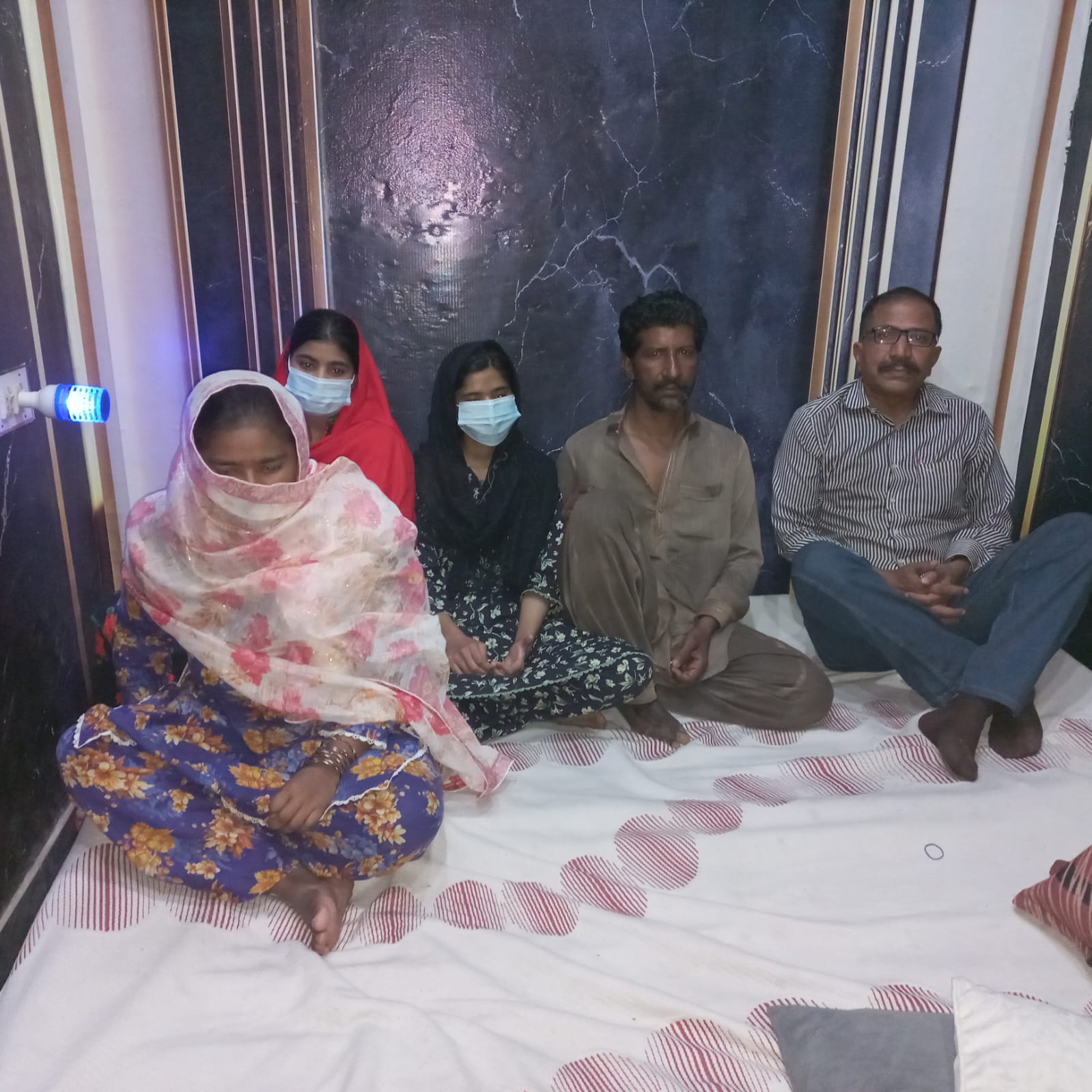
Faisalabad: “We Will Not Give Up on Justice”: Blind Christian Family Left in Fear After Accused Man Granted Bail in Anmol’s Assau
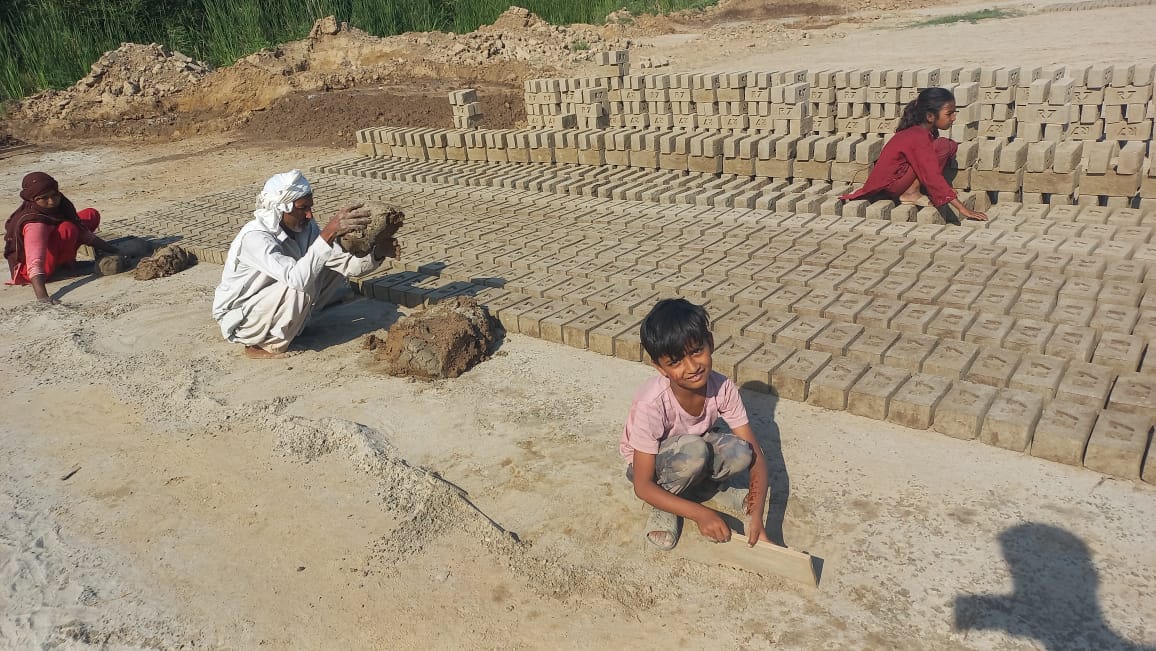
Ahead of World Children’s Day on November 20, 2026, Sardar Mushtaq Gill issues an urgent international appeal to governments, human rights in


PCP need your support that we may provide you better services: click on donate


"Trial of Pakistani Christian Nation" By Nazir S Bhatti
On demand of our readers, I have decided to release E-Book version of "Trial of Pakistani Christian Nation" on website of PCP which can also be viewed on website of Pakistan Christian Congress www.pakistanchristiancongress.org . You can read chapter wise by clicking tab on left handside of PDF format of E-Book.