
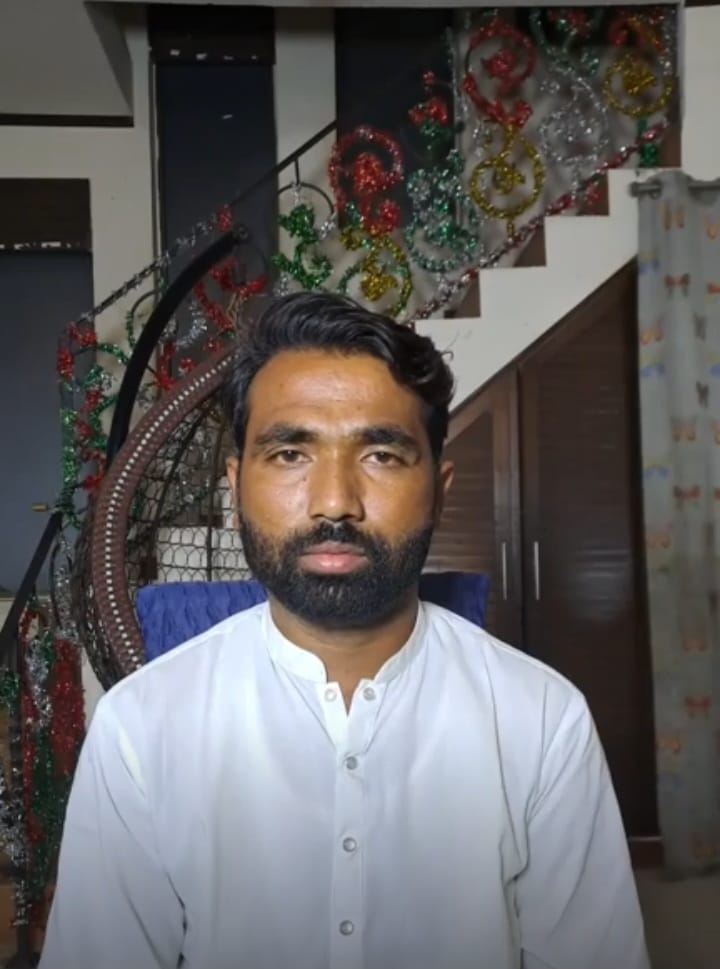
CHICHAWATNI, PAKISTAN: For the family of slain Christian man Ashram Masih, the pain of losing a loved one has been compounded by another harsh real
From Literacy to Post-Literacy: “Screen Locked” Reflects a Society in Digital Crisis
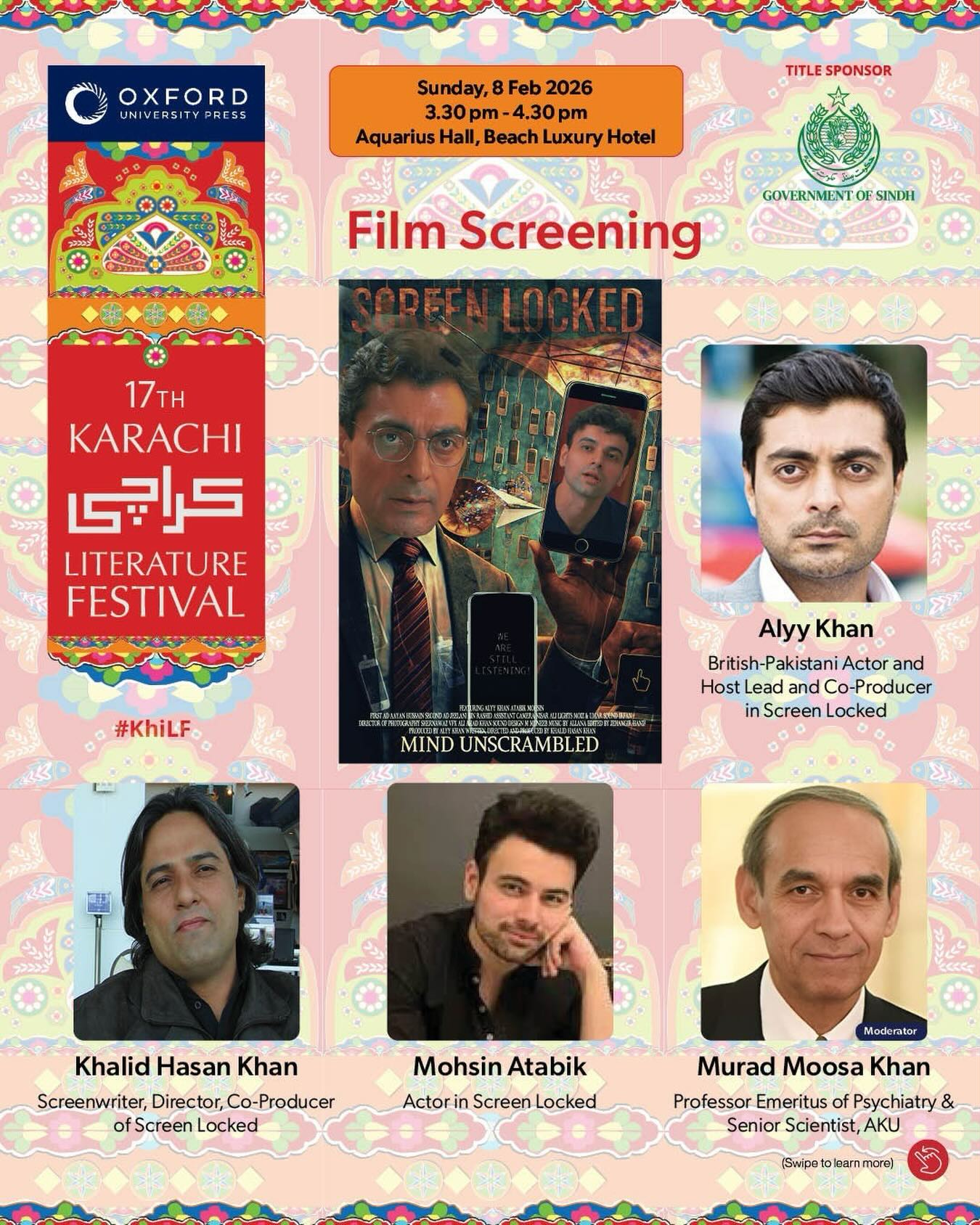
Karachi: The 17th edition of the Karachi Literature Festival (KLF) hosted a full-house and thought-provoking session on digital wellness with the screening of the short film Screen Locked, followed by a stimulating panel discussion featuring prominent voices from the arts, academia, and public health.
The film, written, directed and co-produced by award-winning filmmaker, Khalid Hasan Khan, explores the growing challenge of digital addiction and its impact on mental health, resonated strongly with audiences across all age groups. The post-screening discussion was moderated by Dr. Murad Moosa Khan, PhD in Psychiatric Epidemiology from the University of London, and featured the film’s writer, director, and co-producer Khalid Hasan Khan, alongside actors Alyy Khan and Atabik Mohsin. The panel examined the societal consequences of excessive screen use, digital literacy, and practical approaches to fostering a healthier relationship with technology.
Speaking about his involvement in the project, Alyy Khan, the co-producer of the project, remarked, “A powerful script cannot be left without performance,” underscoring his commitment to translating meaningful narratives into impactful cinema. The director of the film, Khalid Hasan Khan reflected on the KLF-17 theme, “Literature in a Fragile World,” noting that the collapse in literacy in today’s post-literate society, being eroded by excessive digital addiction, can only be addressed through intellectually engaging and socially conscious platforms such as KLF.
Moderator Dr. Murad Moosa Khan described Screen Locked as “a masterpiece,” adding humorously, “I wish I could cure my patients in half an hour, as Dr. T. R. Mavani did in the film.” He praised both actors for their nuanced performances and commended the film for its sensitive and effective portrayal of psychological realities.
The session concluded with an animated audience interaction, drawing participation from all age groups. Questions focused on digital addiction, ethical psychological treatment, the alarming presence of underqualified practitioners in psychology and psychiatry, and the absence of robust regulatory bodies and professional associations. The discussion highlighted an urgent need for stronger oversight, ethical standards, and institutional accountability within the mental health sector, related to the digital addiction.
You May Also Like
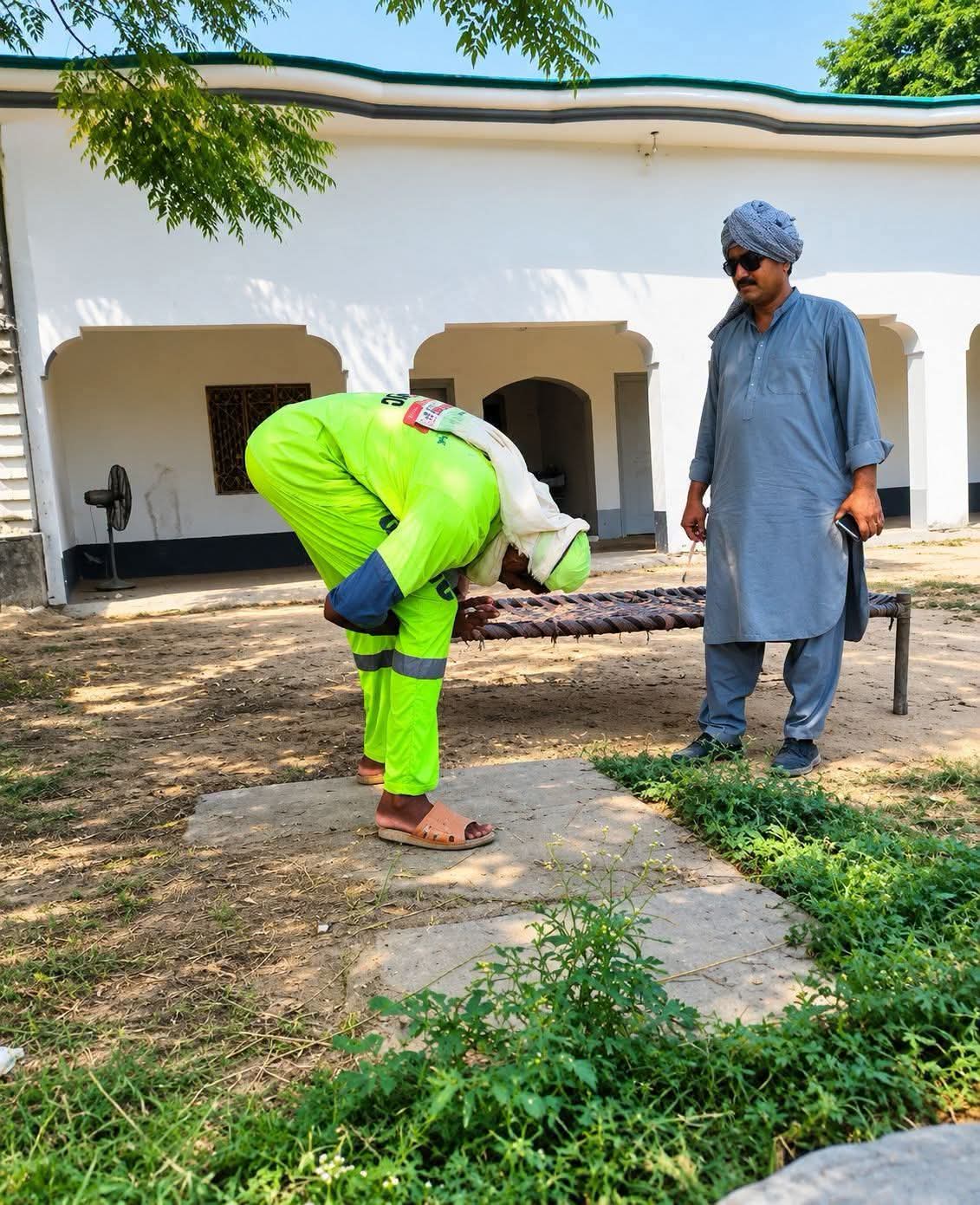
WAZIRABAD, PUNJAB — LEAD Ministries has expressed deep concern over reports of the alleged humiliation and mistreatment of sanitation workers
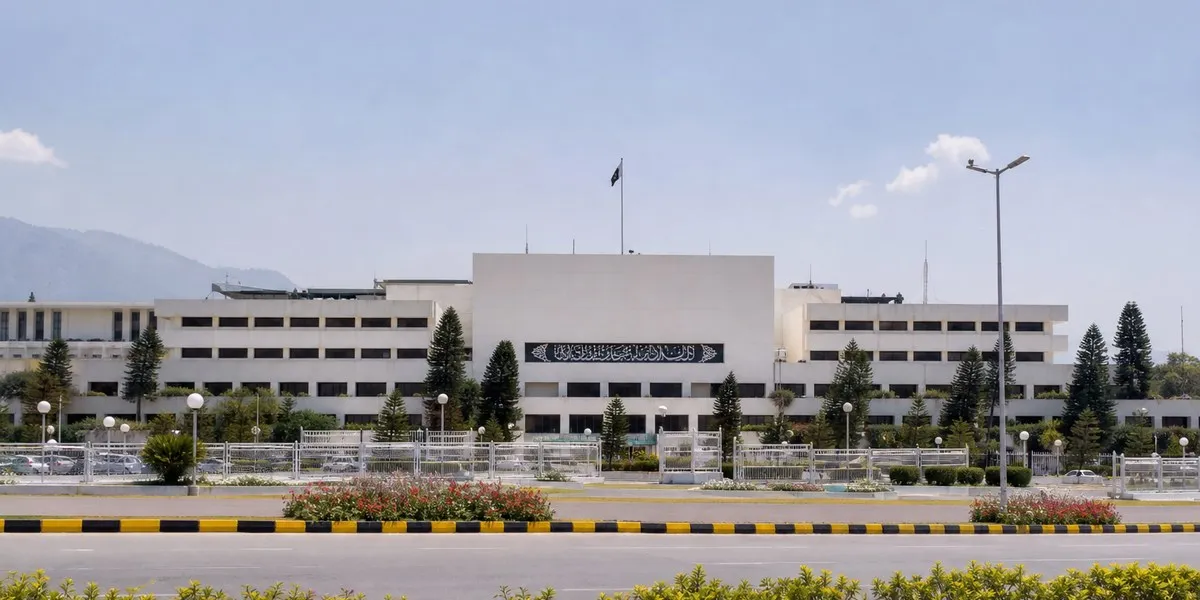
Pakistan: The emotional statement regarding minorities—in which he described them as the "crown on the head"—made after assum


PCP need your support that we may provide you better services: click on donate


"Trial of Pakistani Christian Nation" By Nazir S Bhatti
On demand of our readers, I have decided to release E-Book version of "Trial of Pakistani Christian Nation" on website of PCP which can also be viewed on website of Pakistan Christian Congress www.pakistanchristiancongress.org . You can read chapter wise by clicking tab on left handside of PDF format of E-Book.