
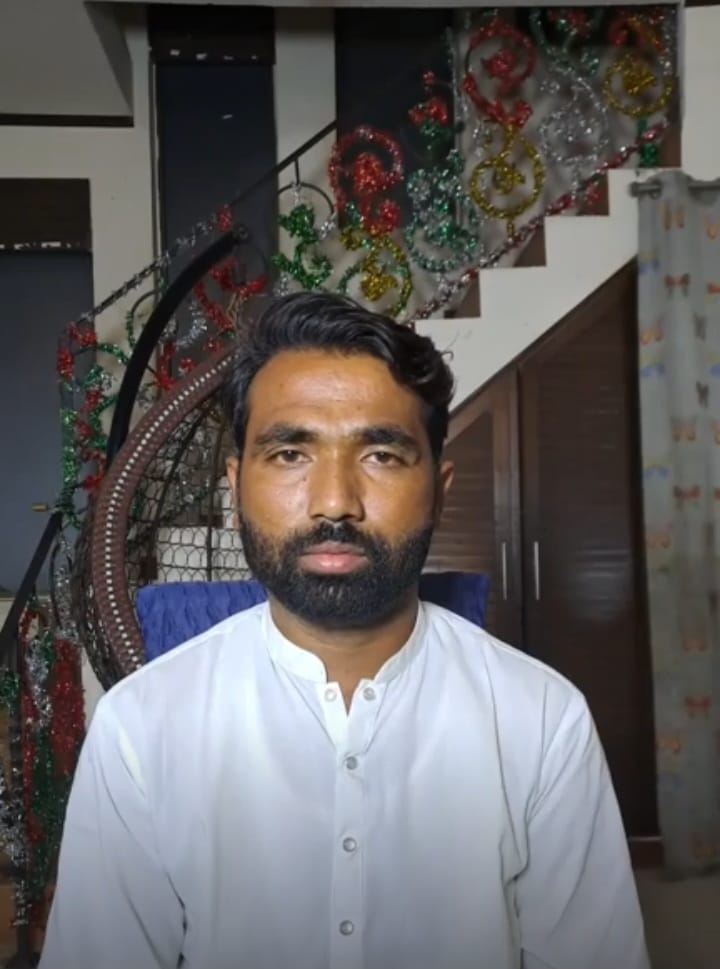
CHICHAWATNI, PAKISTAN: For the family of slain Christian man Ashram Masih, the pain of losing a loved one has been compounded by another harsh real
A government trap against minorities? Report by Khalid Shahzad
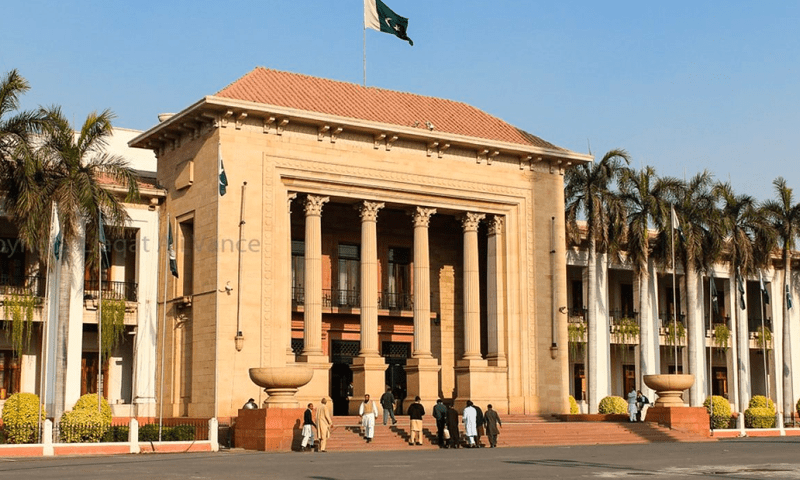
Lahore: A bill recently introduced in the Punjab Assembly titled the Control of Habitual Offenders and Anti-Social Behaviour Bill, 2026. The impact of this proposed Punjab bill on minorities and the objectives behind it are extremely sensitive and profound in the current social and legal context of Pakistan. Considering the text of this bill, the government’s position and the concerns of human rights experts and minority leaders, it can be examined from three important aspects:
1. Government’s position: Protection of minorities The government and lawmakers claim that a major objective of this bill is the protection of minorities and their places of worship. The following provisions have been included in the bill:
Those who spread religious hatred, harass minorities, or run hate campaigns against them on social media will be declared “anti-social” and strict and immediate action will be taken against them. The administration has been given more powers to prevent attempts to vandalize or occupy religious places.
To this extent, the bill apparently talks about protecting minorities, but the real question arises about its implementation and misuse of powers. Will this bill provide equal rights?
Equal rights are not just about making new laws, but about the constitution and infrastructure of the country. The bill is essentially a “control and punishment” law, not a charter of rights. Therefore, the bill does not provide any new political, economic or educational rights (such as a quota system or representation) to minorities.
Article 25 of the Pakistani constitution grants equal rights to all citizens, but in practice, the bill does not offer any permanent solution to the problems faced by minorities (such as forced conversions, misuse of blasphemy laws, and social discrimination). Is there a conspiracy behind it to suppress minorities?
Human rights activists and minority rights organizations believe that although the bill was not specifically written to target minorities (its general target is political opponents, journalists, and ordinary citizens), its impact on minorities could be more severe, given past experiences. The main reasons for this are as follows:
Broad powers without trial: Under the bill, the police and bureaucracy (intelligence committees) will be empowered to declare any person as anti-social on the basis of mere “suspicion”, block their identity cards, freeze their bank accounts, and confiscate their property. If a minority citizen is falsely accused, he or she has little chance of defending himself or herself.
The bill talks about strict monitoring of online content. If a minority activist raises his voice about his rights or the abuses against him, there is a fear that his voice will be suppressed by labeling him as “spreading hatred against the state” or “rumor mongering”, which is why restrictions on social media are also a hidden intention of the government. Oppressive use of law: The biggest problem with laws in Pakistan is their “discriminatory application”. When the administration gets such unlimited powers, influential people at the local level, along with the police, can easily trap weaker sections and minorities in the net of this law due to land disputes or personal grudges. This bill may not be a conscious conspiracy to directly suppress minorities, but its basic structure is so oppressive and unconstitutional that it can become a dangerous weapon against any weaker section. As long as the law has the power to punish without a court, the dream of protection and equal rights for minorities will remain unfulfilled. This is why human rights activists are demanding fundamental reforms in this bill or its complete withdrawal.
The bill has been heavily criticized by human rights organizations and the opposition. They argue that the law can be used to target the fundamental rights, freedoms and property of any citizen without being proven guilty in a court of law, based on mere “suspicions” or a police FIR. This is why Punjab Assembly Speaker Malik Muhammad Ahmed Khan has also expressed reservations about the draft bill and has stopped its immediate approval so that it can be reviewed in detail.
You May Also Like
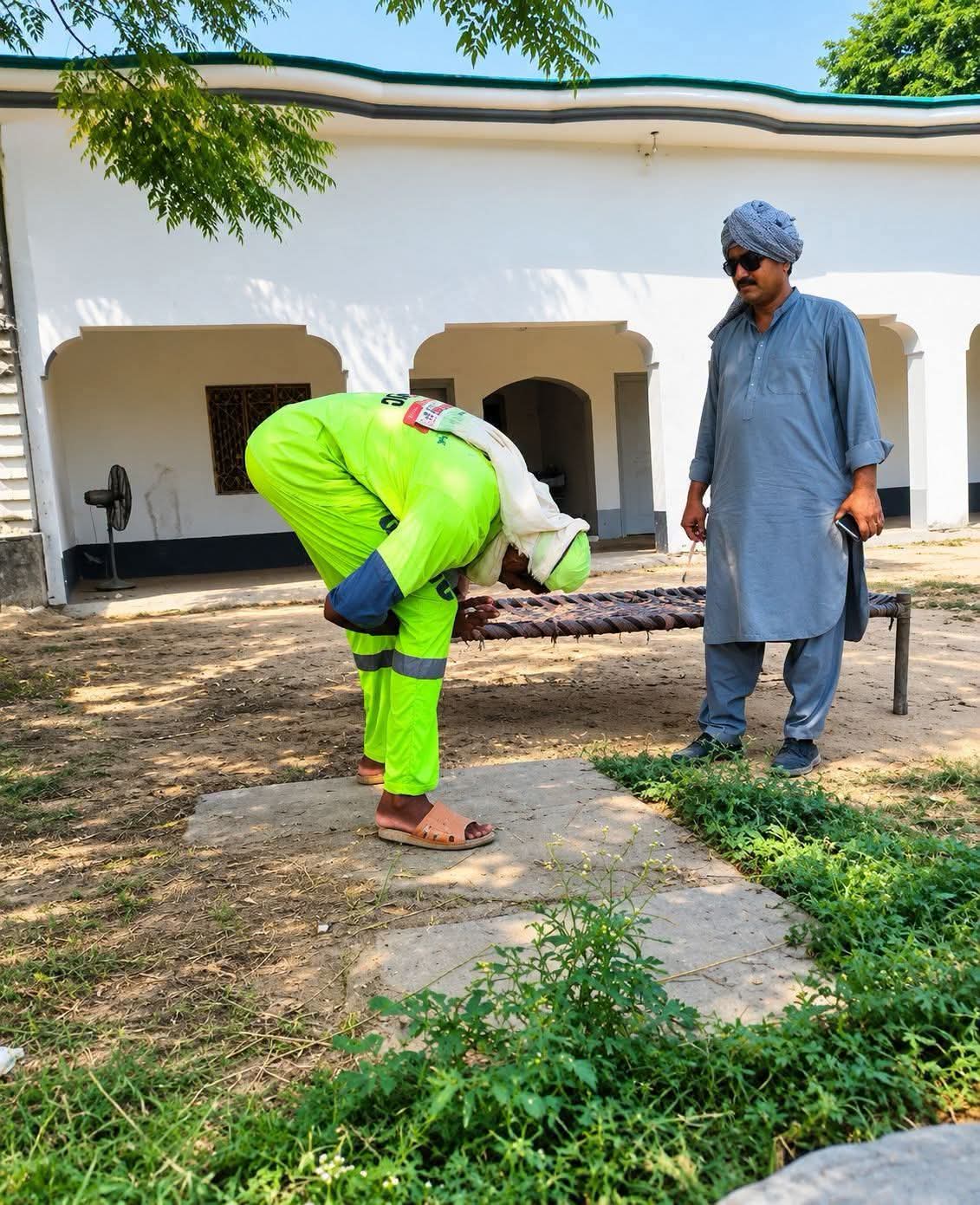
WAZIRABAD, PUNJAB — LEAD Ministries has expressed deep concern over reports of the alleged humiliation and mistreatment of sanitation workers
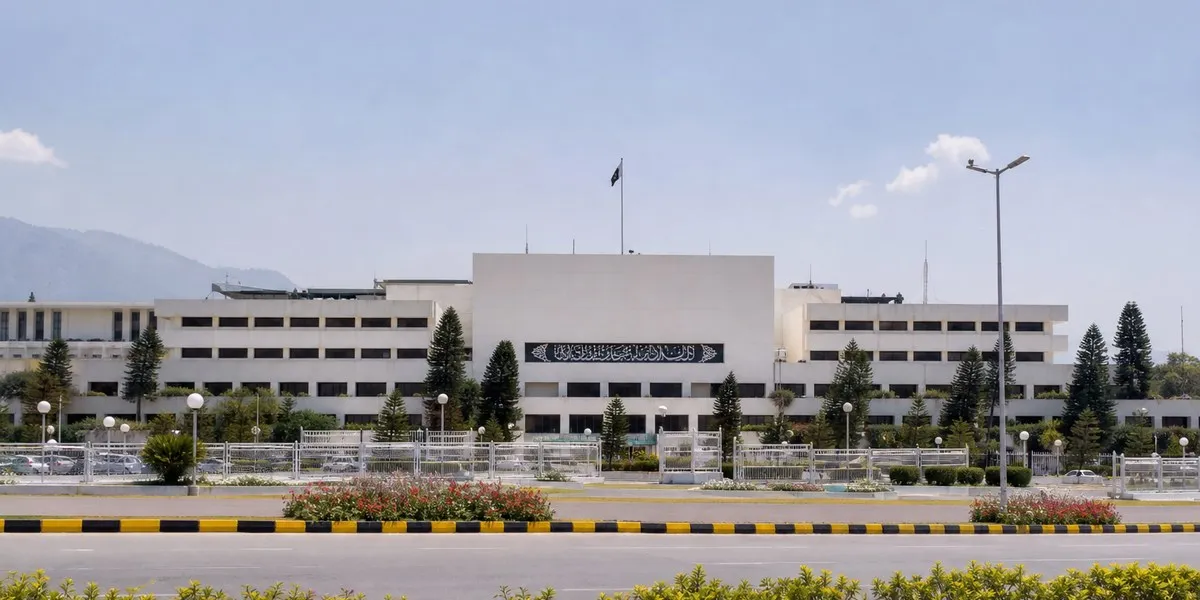
Pakistan: The emotional statement regarding minorities—in which he described them as the "crown on the head"—made after assum


PCP need your support that we may provide you better services: click on donate


"Trial of Pakistani Christian Nation" By Nazir S Bhatti
On demand of our readers, I have decided to release E-Book version of "Trial of Pakistani Christian Nation" on website of PCP which can also be viewed on website of Pakistan Christian Congress www.pakistanchristiancongress.org . You can read chapter wise by clicking tab on left handside of PDF format of E-Book.