
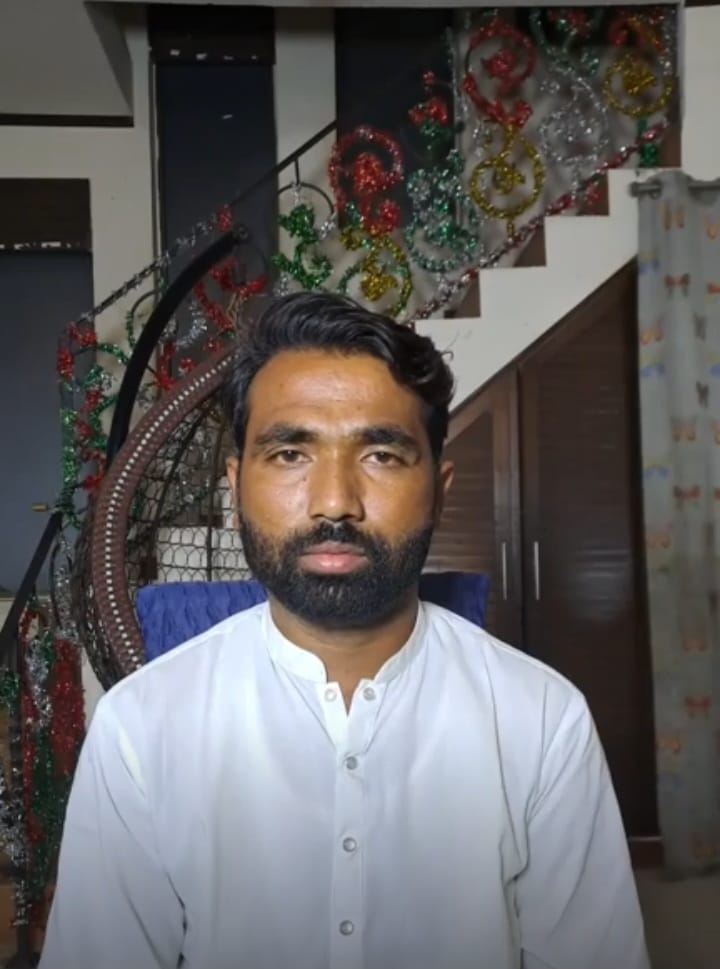
CHICHAWATNI, PAKISTAN: For the family of slain Christian man Ashram Masih, the pain of losing a loved one has been compounded by another harsh real
Saudi Curriculum Reforms Welcomed; LEAD Ministries Urges Pakistan to Remove Religious Hate from Education and Calls for Equal Religious Freedom. Report by Sardar Mushtaq Gill
Lahore, Pakistan: LEAD Ministries has welcomed Saudi Arabia’s ongoing reforms to its school curriculum, describing the reported removal of material identified as antisemitic, discriminatory and extremist as an encouraging step toward greater tolerance, peaceful coexistence and respect for human dignity.
LEAD Ministries is urging Pakistan to undertake a comprehensive and transparent review of its school textbooks, madrassa curricula and other educational materials to ensure that content promoting hatred, discrimination, hostility or violence against Christians, Jews or any other religious community is removed or appropriately revised.
The call follows the July 2026 review by the Institute for Monitoring Peace and Cultural Tolerance in School Education (IMPACT-se), which examined 136 Saudi textbooks used during the 2024–25 and 2025–26 academic years. The review identified continued movement toward greater moderation and openness, reporting that many previously identified hateful, discriminatory and extremist themes have been reduced or eliminated. It also found greater emphasis in newer material on tolerance, coexistence, critical thinking, respect for diversity and opposition to extremism.
The review also identified significant changes in the treatment of religious minorities. Among the examples cited by IMPACT-se, material that compared Jews and Christians to “maimed” animals was reportedly removed, along with material previously identified as portraying Jews in a hostile manner. The review also reports changes in material concerning Shi'a Muslims and Sufis, including the removal of content portraying them as inherently evil or idolatrous.
LEAD Ministries said these developments demonstrate that educational reform can play an important role in building societies based on tolerance and peaceful coexistence.
“Education should build peace and understanding, not teach children to regard people of another faith as enemies.”
LEAD Ministries Urges Pakistan to Follow the Same Principle
LEAD Ministries has called for an independent and transparent review of Pakistani school textbooks, madrassa curricula and other educational materials to identify language, narratives or interpretations that may encourage religious hatred, discrimination or violence.
The organization said particular attention should be given to the portrayal of religious minorities, including Christians and Jews, while emphasizing that the same standard must apply to every religious and ethnic community.
“Pakistan should follow the same principle. If our objective is a peaceful society, we must ensure that children are not educated to view another religious community collectively as inferior, dangerous or deserving of hostility.”
Concerns about religious bias in Pakistan’s education system are longstanding. The U.S. Commission on International Religious Freedom has documented concerns regarding religious bias in Pakistani public-school textbooks and the treatment of religious minorities in education.
LEAD Ministries said curriculum reform should be viewed as an effort to strengthen equal citizenship and social cohesion rather than as an attack on religion.
Pastor Imran Amanat: Faith Must Not Become a Source of Hatred
Pastor Imran Amanat, a leader of LEAD Ministries, said people in many parts of the world continue to suffer when religious identity is exploited to create division, prejudice and hostility.
“We have witnessed how individuals who use religion to promote hatred against people of other faiths can cause immense suffering and division in society.”
Amanat noted that Christians in many parts of the world continue to face discrimination, restrictions on religious freedom and, in some cases, persecution because of their religious identity.
“Faith should be a source of compassion, peace and hope—not a justification for hatred, discrimination or violence against others.”
He called for greater responsibility among religious leaders, educators and public figures in the way they speak about other faith communities.
Religious differences, he said, should be addressed through dialogue, education and mutual respect rather than language that encourages communities to fear or hate one another.
Religious Freedom Must Be Equal and Universal
LEAD Ministries emphasized that curriculum reform should not be understood as a call to prohibit religious scholarship or the study of sacred texts.
“Muslims must have the freedom to study and discuss the Quran and Hadith, just as Christians, Jews and members of other faiths must have the freedom to study and teach their own scriptures.”
“The issue is not the existence of a religious text. The issue is how religious authority is used. No scholar, teacher, preacher or religious leader should use sacred texts as a justification for hatred, discrimination or violence against another community.”
LEAD Ministries said this principle should apply equally to religious leaders and educators of all faiths.
Legitimate theological disagreement, historical discussion and religious scholarship should be distinguished from incitement against a religious or ethnic community, the organization said.
LEAD Ministries welcomed Saudi Arabia’s curriculum reforms while also calling for greater religious freedom for Christians and other religious minorities throughout the Middle East, particularly in Saudi Arabia and Qatar.
The organization said religious freedom should be understood as a universal principle. Where Muslim minorities are permitted to establish places of worship and practice their faith, Christian and other religious minorities should likewise be afforded meaningful opportunities to establish places of worship, gather and practice their faith.
According to the U.S. Commission on International Religious Freedom, Saudi Arabia continues to impose severe restrictions on the public practice of religions other than Islam. LEAD Ministries said educational reform and religious freedom should therefore advance together.
“Religious freedom should not depend on which country a person lives in or which faith they follow. The standard should be equal for Muslims, Christians, Jews and people of every faith.”
Religious Teaching and Public Responsibility
LEAD Ministries also called for responsible teaching by religious scholars, teachers, preachers and khateebs, particularly where interpretations of religious texts could be used to encourage hostility toward other communities.
The organization said religious freedom and social responsibility should go hand in hand.
“People should be free to believe, worship, teach and discuss their faith. But religious authority should never be used to promote hatred, discrimination or violence against another community.”
LEAD Ministries argued that Pakistan’s efforts to combat extremism should therefore extend beyond security measures and include education, religious institutions and public discourse.
Pakistan Must Address Extremism at Every Level
LEAD Ministries said reform should not stop with school textbooks.
The organization called for a broader national effort involving schools, universities, madrassas, mosques, religious seminaries, media and social-media platforms.
“If Pakistan genuinely wants to establish lasting peace in its society, it cannot address extremism only through policing and security measures. The ideas and narratives that promote hatred must also be confronted through education and responsible religious leadership.”
LEAD Ministries said Pakistan’s existing counter-extremism commitments should be implemented consistently while protecting freedom of religion and legitimate religious expression.
The organization said education should be treated as a central component of preventing the development and spread of extremist narratives.
Education Should Not Become a Source of Division
LEAD Ministries stressed that the objective of curriculum reform should not be to remove religion from education or prevent legitimate discussion of history, theology or religious traditions.
“Religion is an important part of the lives and history of millions of Pakistanis. The objective should be to ensure that religious education does not become a means of teaching hatred toward fellow citizens.”
Children, the organization said, should be able to learn about religious differences, historical conflicts and competing theological viewpoints without being encouraged to inherit hostility toward entire communities.
“Children can learn about Islam, Christianity, Judaism and other religions without being taught to hate the people who follow them.”
Addressing Jihadist Terrorism and Violent Extremism
LEAD Ministries also called for careful review of educational and religious material that glorifies or legitimizes jihadist terrorism and violent extremism.
Students should be taught about terrorism, its causes and its consequences rather than exposed to messages that romanticize violence or portray attacks against civilians or religious minorities as religiously justified, the organization said.
“Islam should not be equated with terrorism, and Muslims as a whole should not be blamed for the actions of extremists. At the same time, any ideology or interpretation—religious or otherwise—that is used to justify terrorism and violence must be challenged.”
LEAD Ministries noted that the latest IMPACT-se review reports continued changes in Saudi textbooks concerning jihad and martyrdom, including the removal of content glorifying death in battle, stronger emphasis on protections for civilians during armed conflict and explicit condemnation of Islamic extremism. The review also reports that groups including ISIS and al-Qaeda are identified in the curriculum as terrorist or extremist organizations.
A Human-Rights Approach
LEAD Ministries said the most effective reform would be based on universal principles rather than targeting one particular religion.
“The standard should be the same for everyone. If a Muslim scholar incites hatred against Christians or Jews, that should be addressed. If a Christian, Jewish or other religious leader incites hatred against Muslims or another community, that should also be addressed.”
Such an approach, the organization said, would protect both religious freedom and the rights of religious minorities.
People should remain free to practice their faith, engage in theological debate and teach their religious traditions, LEAD Ministries said, while society should reject incitement to discrimination, hostility or violence.
Saudi Reforms Show That Change Is Possible
LEAD Ministries said Saudi Arabia’s curriculum reforms demonstrate that educational systems can change and that governments can reassess material inherited from previous generations.
The July 2026 IMPACT-se assessment describes continued moderation in Saudi educational materials while also identifying areas where concerns remain. The report examines 136 textbooks across the 2024–25 and 2025–26 academic years and documents changes involving religious minorities, extremism, coexistence and other sensitive subjects.
LEAD Ministries said Pakistan should approach curriculum reform as an ongoing process rather than a one-time exercise.
“Removing religious hatred from education is not an attack on religion. It is an investment in peace.”
A Step Toward National and Global Peace
LEAD Ministries urged Pakistan to use education as a foundation for social harmony, equal citizenship and respect for religious diversity.
“Children should learn faith without hatred, history without collective blame, and religious differences without hostility.”
“Pakistan has the opportunity to demonstrate that religious freedom and respect for human dignity can exist together. If we can remove messages that promote hatred and replace them with education that encourages tolerance, coexistence and mutual respect, it will be a step toward peace in Pakistan and, ultimately, toward peace in the wider world.”
LEAD Ministries said the broader lesson from Saudi Arabia’s curriculum reforms is that societies can reassess educational material and replace narratives of hostility with messages that encourage coexistence and respect.
The organization said lasting peace must be cultivated in classrooms, religious institutions and communities before it can become a lasting reality in society.
You May Also Like
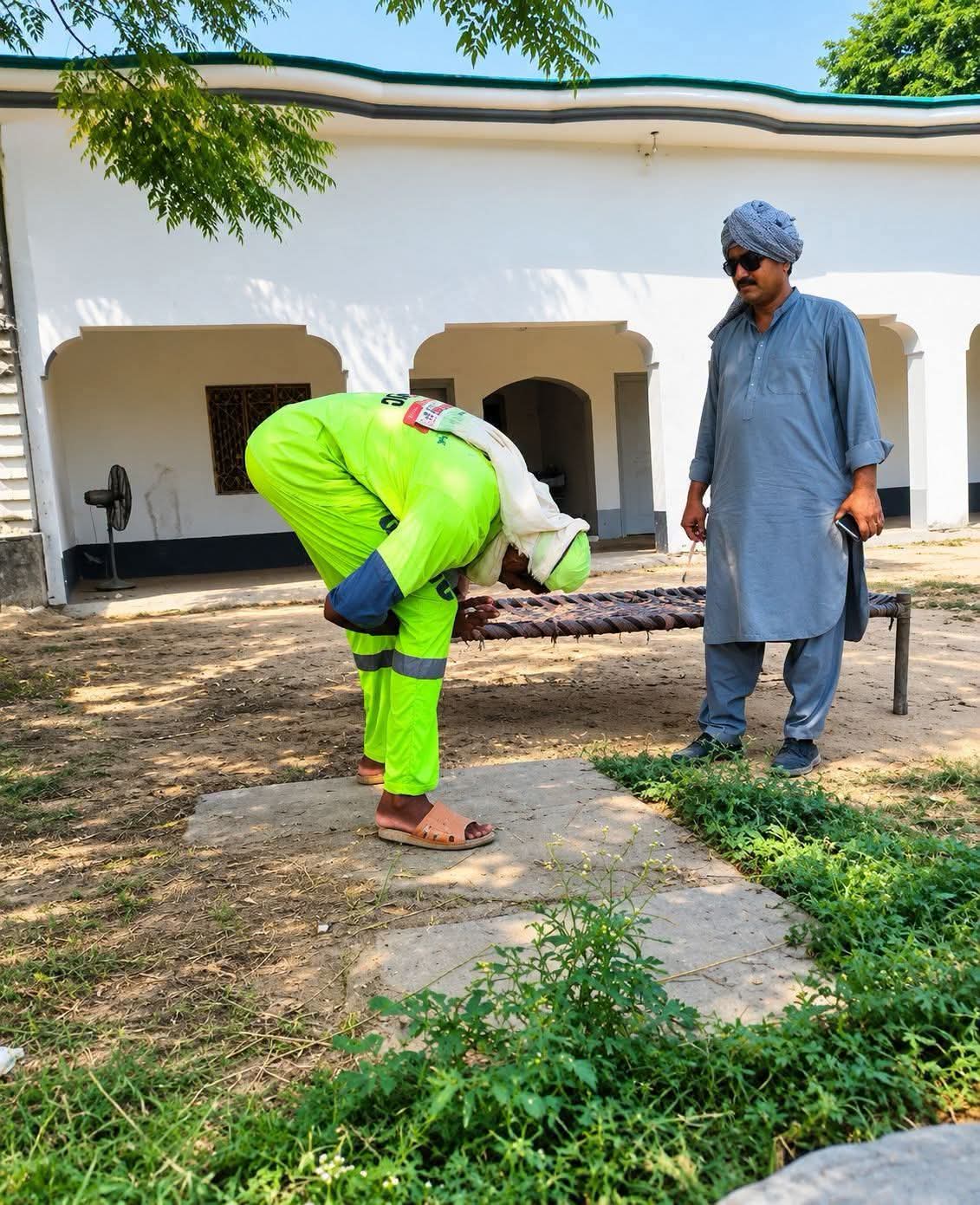
WAZIRABAD, PUNJAB — LEAD Ministries has expressed deep concern over reports of the alleged humiliation and mistreatment of sanitation workers
Pakistan: The emotional statement regarding minorities—in which he described them as the "crown on the head"—made after assum


PCP need your support that we may provide you better services: click on donate


"Trial of Pakistani Christian Nation" By Nazir S Bhatti
On demand of our readers, I have decided to release E-Book version of "Trial of Pakistani Christian Nation" on website of PCP which can also be viewed on website of Pakistan Christian Congress www.pakistanchristiancongress.org . You can read chapter wise by clicking tab on left handside of PDF format of E-Book.