
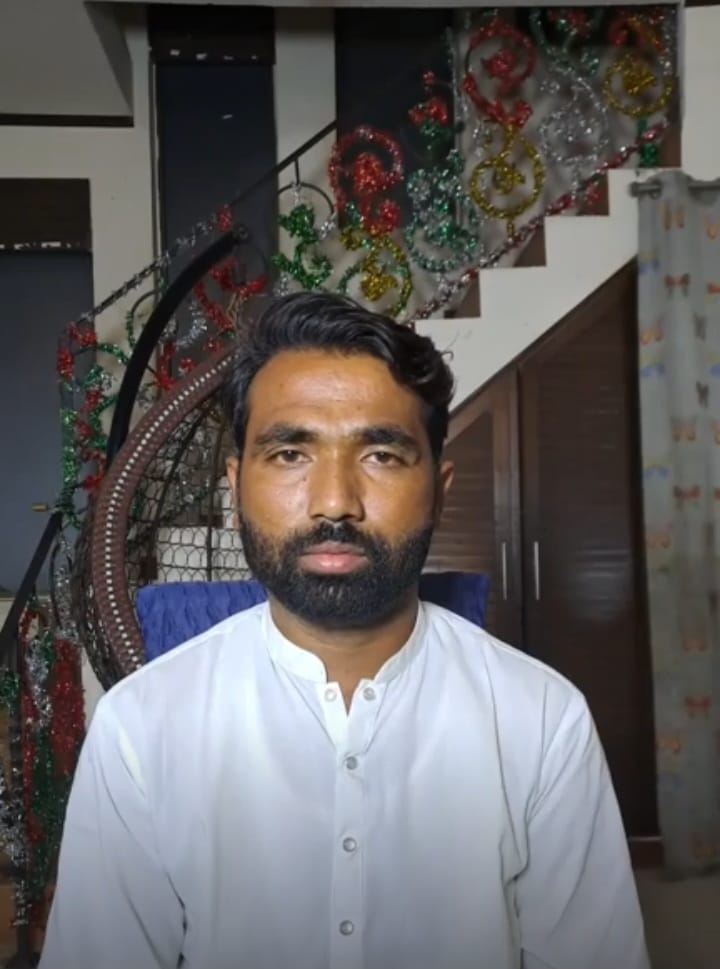
CHICHAWATNI, PAKISTAN: For the family of slain Christian man Ashram Masih, the pain of losing a loved one has been compounded by another harsh real
Creed of the End of Prophethood and Minorities. By Khalid Shahzad
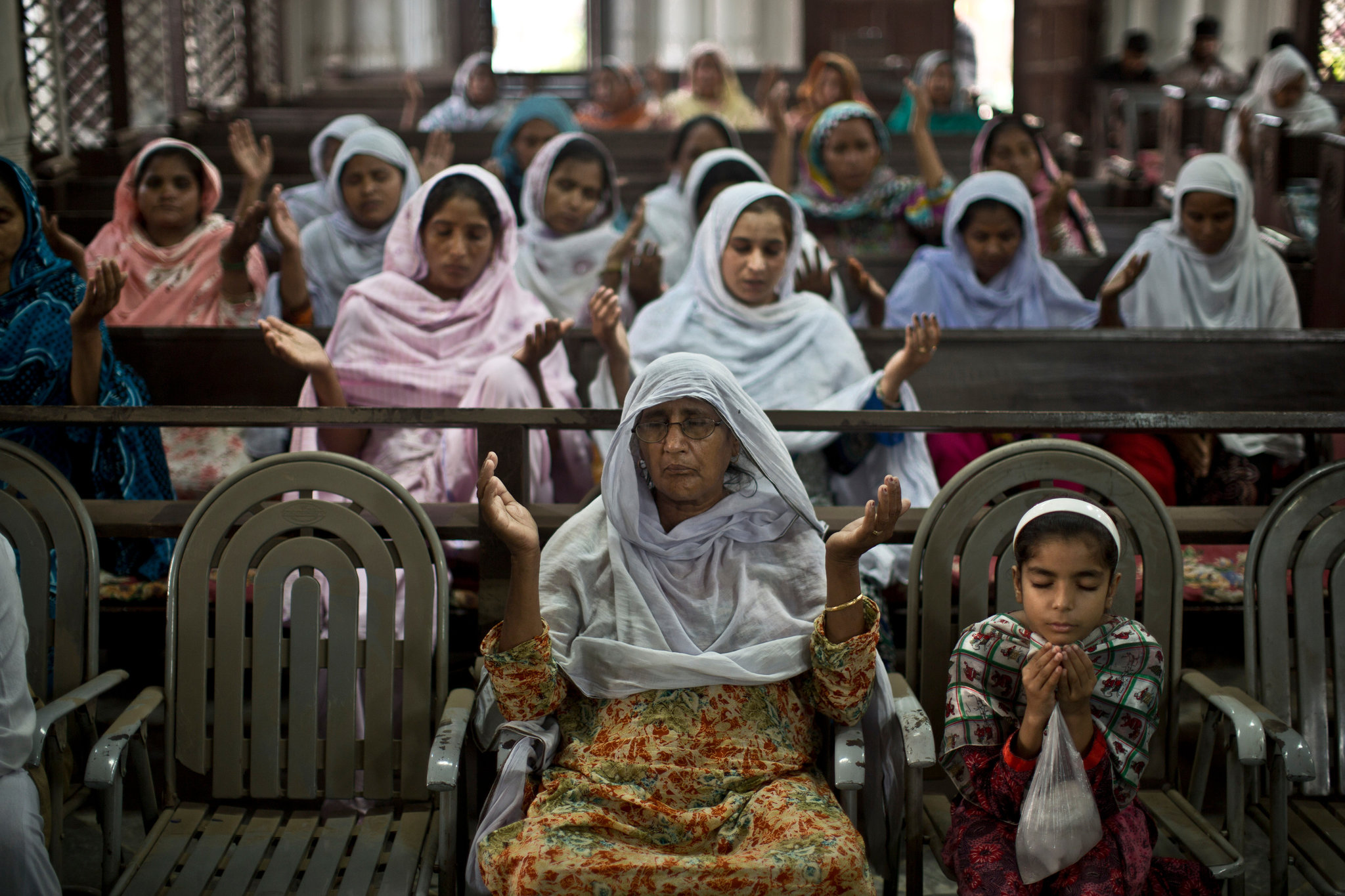
From the creation of Pakistan to the partition of Punjab or the war of 1965 or the issue of the belief in the finality of the Prophethood on September 7, 1974, minorities have always voted for Pakistan and have gone with Pakistan, however, in every era, minorities have been treated like stepmothers. On September 7, 1974, the following words were added to Article 260 of the Constitution: “Any person who, after the Holy Prophet (peace and blessings of Allah be upon him), believes that any claimant to Prophethood shall not be considered a Muslim again. Constitution or law.” This was a unanimous constitutional amendment. There was not a single vote in opposition.
On the same day, the National Assembly of the country passed a constitutional decision regarding the Ahmadi/Qadiani community through the second amendment to the Constitution. However, along with this historical perspective, it is the need of the hour to take a comprehensive look at the social and legal challenges facing Pakistan’s religious minorities—especially the Christian and Hindu communities—in the present era. After the Rabwa Railway Station incident in May 1974, a movement was launched by religious and political parties across the country, which resulted in the National Assembly being approached to resolve the issue in a constitutional and legal manner. The government led by Prime Minister Zulfikar Ali Bhutto referred the matter to Parliament. On 30 June 1974, the National Assembly was converted into a Special (Consensus Committee of Parliament). During August 1974, leaders of both the Qadiani and Lahori groups were given the opportunity to present their beliefs and views before Parliament and answer questions. When the Second Constitutional Amendment was introduced on 7 September 1974, the minority members (including Christian members C.L. Sundar, George Louis, Jimmy David and Hindu members Rana Chandra Singh, Pokhar Das and Pritam Das) also voted in favor of the amendment, becoming part of the constitutional proceedings.
Current Position and Challenges of Minorities in Pakistani Society
At the time of the formation of Pakistan, the founder of Pakistan, Quaid-e-Azam Muhammad Ali Jinnah, in his historic speech of 11 August 1947, had assured all citizens of complete religious freedom:
Although Article 20 of the Constitution of Pakistan guarantees all citizens complete freedom to practice and propagate their religion, in contemporary times, minority communities face various objective and institutional structural problems: Issues of forced religious conversion and underage girls. In some areas of Sindh and Punjab, incidents of forced religious conversion and underage marriages of underage girls belonging to the Hindu and Christian communities often come to light in reports by human rights organizations. Efforts are underway in the legal institutions to enact effective legislation in this regard, but lack of implementation at the grassroots level remains a major challenge. Misuse of Blasphemy Laws
The alleged misuse of Blasphemy Laws at the level of police stations and local courts has caused severe fear and panic among the minority community. Cases are often registered against minorities by giving religious colour to personal disputes, land disputes or economic rivalries.
Violent mobs and attacks on settlements Violent incidents like Gojra, Shamwa Shahzad, Nazir Masih in Sargodha, Joseph Colony (Lahore) and Jaranwala indicate how angry mobs, based on mere rumours, target minority settlements, homes and places of worship. Such incidents not only undermine the security of minorities but also tarnish the image of the country internationally.
The following steps are essential to make Pakistan a peaceful, tolerant and equal society: There is an urgent need for strict legal action against the rulers who misuse the blasphemy laws and those who practice self-justification. Transparent and effective legislation should be enacted to prevent forced conversions so that minor children and girls can be protected. Tolerance, respect and interfaith harmony should be promoted in society through the educational curriculum, media and pulpit, in which the role of minorities in the creation of Pakistan, the 1965 war and the belief in the finality of the Prophethood in 1974 should be highlighted. While upholding the rights granted by the Constitution, the state should ensure that the role of the police and the judiciary is exemplary in ensuring the protection of the life, property and honor of every citizen, regardless of his religion or minority.
You May Also Like
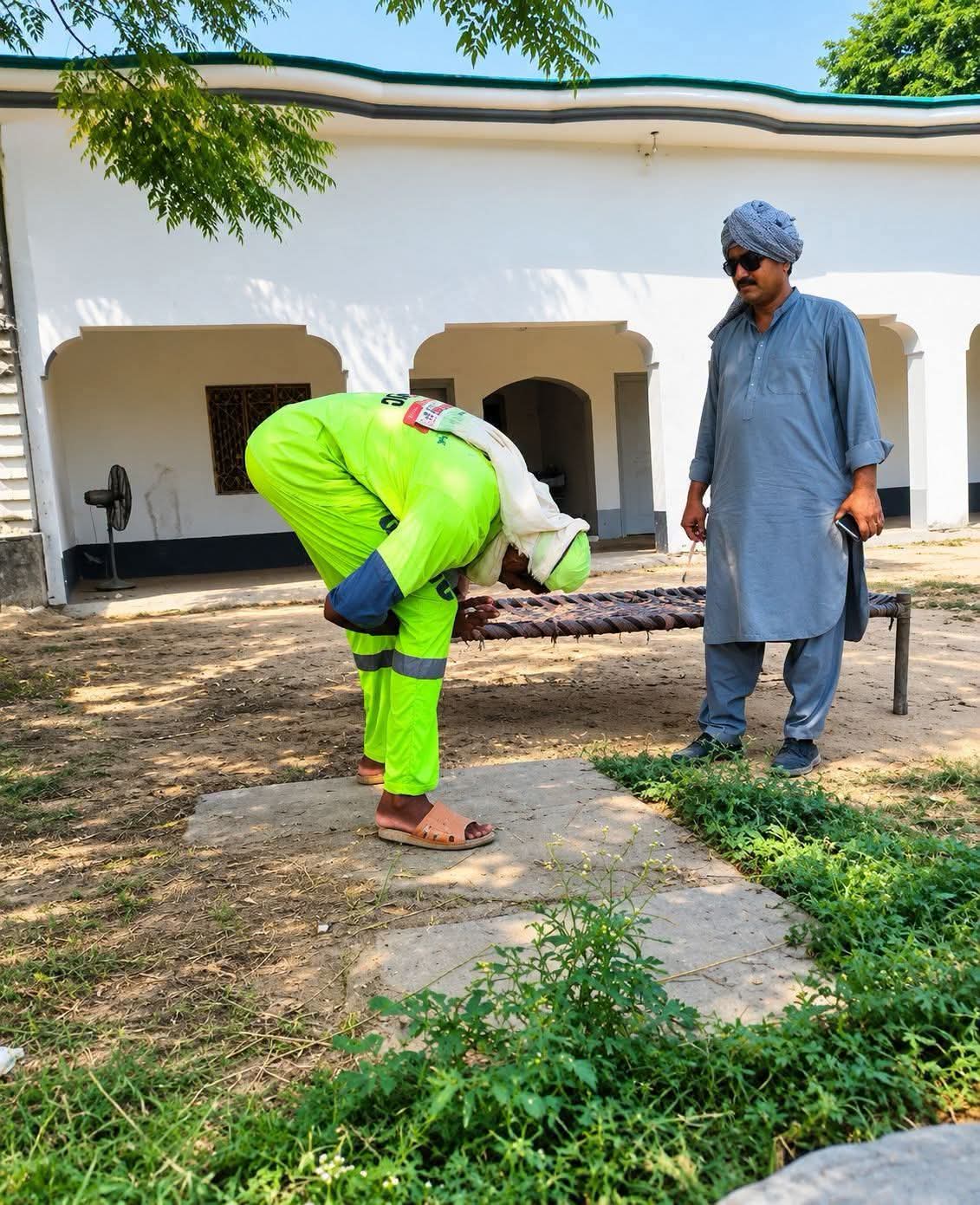
WAZIRABAD, PUNJAB — LEAD Ministries has expressed deep concern over reports of the alleged humiliation and mistreatment of sanitation workers
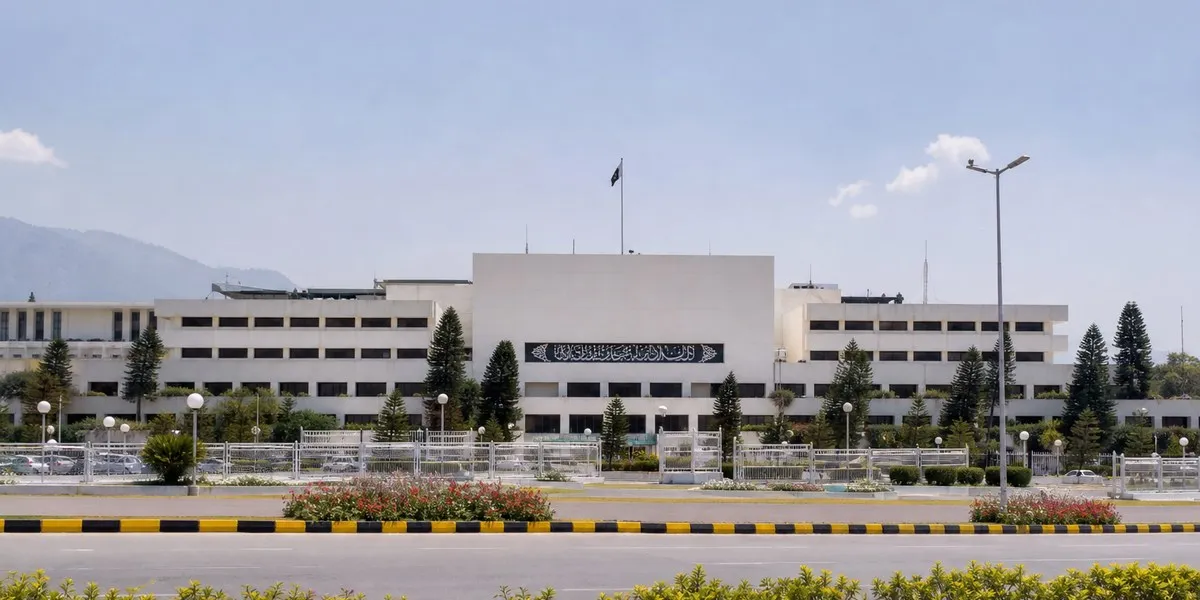
Pakistan: The emotional statement regarding minorities—in which he described them as the "crown on the head"—made after assum


PCP need your support that we may provide you better services: click on donate


"Trial of Pakistani Christian Nation" By Nazir S Bhatti
On demand of our readers, I have decided to release E-Book version of "Trial of Pakistani Christian Nation" on website of PCP which can also be viewed on website of Pakistan Christian Congress www.pakistanchristiancongress.org . You can read chapter wise by clicking tab on left handside of PDF format of E-Book.