
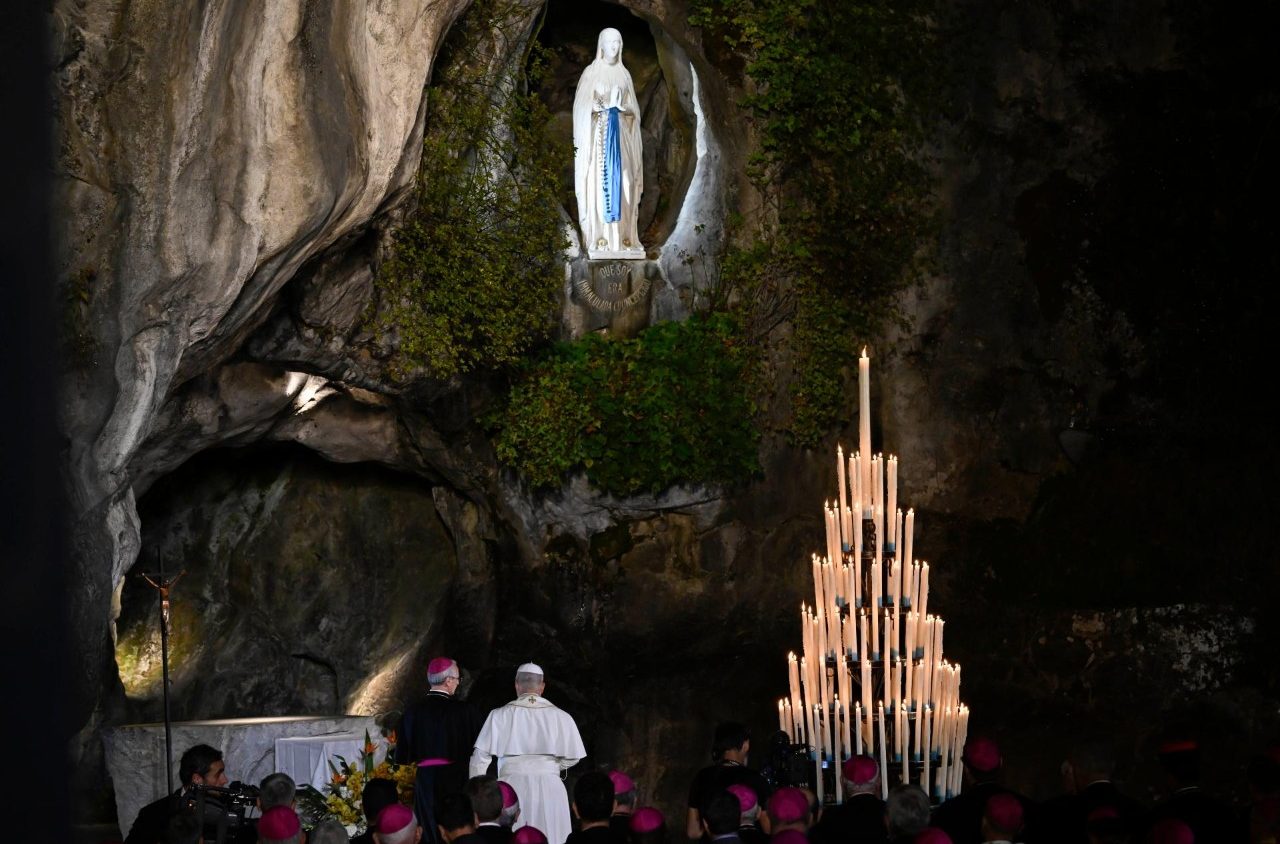
Lourdes: (Vatican News by Isabella H. de Carvalho) “Mesdames et messieurs, le Pape est à Lourdes!” (“Ladies and gentlemen,
Indiscriminate Strikes and Riots Across the Middle East: Rising Risks for local Christians and Holidaymakers in Islamic Nations. Report by Juliet Chowdhry and Hannah Chowdhry
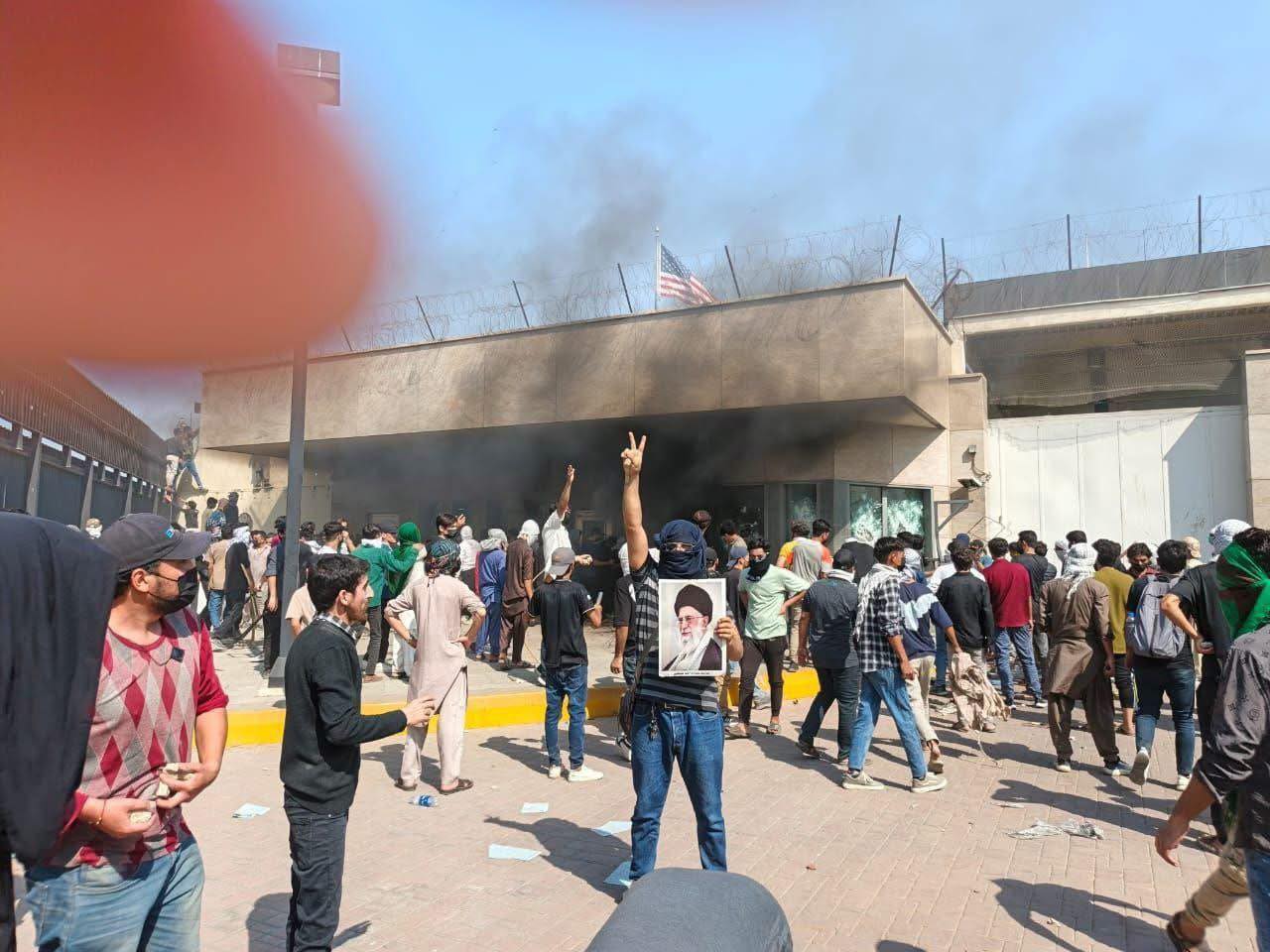
Muslim Mob in Karachi, Pakistan, vandalise the US Consulate
London: The Middle East is witnessing an unprecedented escalation of violence following the killing of Iran’s Supreme Leader, Ayatollah Ali Khamenei, in joint U.S.-Israeli airstrikes. The attacks have triggered widespread retaliatory strikes across the region, hitting cities, military bases, airports, and even luxury hotels. The humanitarian and civilian consequences are mounting rapidly.
Videos and images emerging from the region show the chaos: fires at luxury hotels in Dubai, missile attacks in Bahrain and Qatar, and plumes of smoke rising over international airports. In Dubai, for instance, the Fairmont The Palm Hotel was struck, injuring four people, while Dubai International Airport sustained minor damage, affecting thousands of travellers. Flights to and from the region have been suspended, creating widespread disruption for holidaymakers and residents alike, including over a million Britons living in Dubai.
Christians at Risk as Violence Erupts Across Pakistan
While much of the media coverage focuses on the geopolitical conflict, the situation poses a grave risk for religious minorities across the region, particularly Christians. In Pakistan, for example, following reports of the assassination of Iranian Supreme Leader Ayatollah Ali Khamenei in a US‑Israeli strike on Iran, people in Karachi took to the streets to protest. Hundreds of protesters, many from Shia organizations, formed a rally that began in Abbas Town and marched toward the U.S. Consulate in Karachi.
A large mob gathered outside the consulate, attempting to storm and set the building on fire. U.S. security forces at the consulate reportedly opened fire on the protesters, resulting in several casualties. A video circulating on social media shows people hurling stones at the consulate while a voice declares, “We have set the American Consulate on fire. American Consulate Karachi has been set on fire, Alhamdulillah! The attack on our leader has been avenged.” The mob smashed windows and caused significant damage before local police were deployed to disperse the crowd. Media reports indicate that at least five protesters were injured and transported to a nearby hospital for treatment.
In Muslim-majority countries, Christians are increasingly vulnerable: they may be falsely accused of supporting the West or collaborating with foreign powers. Historically, such accusations have led to arbitrary attacks, mob violence, and persecution.
The targeting of minority communities is often indiscriminate. Christians in countries such as Pakistan, Iran, and Iraq could face social and physical dangers as tensions escalate. Their homes, churches, and workplaces may become targets, while routine travel, schooling, and community life could be severely disrupted. Humanitarian organizations are already reporting concerns for these vulnerable groups, urging local authorities to ensure their protection.
Juliet Chowdhry, Trustee of the British Asian Christian Association, said:
“In light of the recent escalation of violence in the Middle East, we are extremely concerned for the safety of Christian communities across Pakistan and other Islamic nations. Over the past days, I have been speaking directly with church leaders who are fearful that their congregations could be targeted in the coming weeks. Many have already contacted local police stations seeking guidance and protection, but there is growing anxiety that existing safeguards may not be enough.”
“The British Asian Christian Association is deeply concerned that, in the wake of heightened religious zeal—particularly during the Islamic period of Ramadan—and following violent regional events, allegations of blasphemy against religious minorities could increase, further inflaming hatred and placing vulnerable communities at risk. We are calling on world leaders to take immediate action: to publicly condemn attacks on Christian communities in the Islamic world, ensure law enforcement is fully mobilized to protect places of worship and other non-Muslim institutions, and that Governments in these nations work closely with local authorities to implement rapid-response measures wherever threats arise.”
“I, along with my husband, am contacting the High Commission of Pakistan to request an urgent meeting to discuss practical protections for churches, schools, and other non-Muslim institutions. The safety and security of these communities cannot wait—we call on governments worldwide to stand with religious minorities and ensure that no one is left exposed to violence or persecution.”
Regional Instability and Global Implications
The strikes and counter-strikes are affecting not only local civilians but also global travel and trade. The strategic Strait of Hormuz, through which one-fifth of the world’s oil passes, is reportedly at risk of closure, which could have serious repercussions for global energy supplies. Luxury resorts, airports, and shipping hubs are all potential targets in this ongoing conflict.
UK and other Western authorities have issued urgent travel advisories, urging citizens to shelter in place and avoid non-essential travel to countries across the Middle East. Evacuation efforts are underway for foreign nationals, including British and Chinese citizens, as military operations intensify.
We spoke to Wilson Chowdhry, Chairman of United by Faith, about the impact of the crisis on British citizens living and travelling in the region:
“The Foreign Office’s updated travel advice highlights just how serious the situation has become. The FCDO now warns against all travel to Israel and Palestine, and British nationals in Bahrain, Qatar, Kuwait, and the United Arab Emirates are being urged to immediately shelter in place amid ongoing missile and retaliatory strikes following US‑Israeli action against Iran. Major airlines have cancelled flights as airspace closures and security threats continue, and Dubai International Airport has already been affected by strikes and emergency alerts.”
“A close friend called me yesterday after their flight home was cancelled, leaving them stranded and uncertain when they might get home. Refunds and airline compensation can cover some costs, but they do little to ease the stress, fear, and anxiety that families are now facing. Many holidaymakers and expatriates feel trapped in a conflict they never chose to be part of, and there is genuine concern that Iranian retaliation may not distinguish between military and civilian targets. As tensions escalate, people worry they could be misidentified as US citizens or Western allies simply because of where they live or travel.”
“We also cannot ignore the risk that heightened tensions in the Middle East may spill over to Western countries. Only recently, Jews in the UK were targeted in the deadly Manchester synagogue attack, and overall antisemitic incidents reached record highs in 2025, with 3,700 cases—up 4% from the previous year. Such attacks show that extremist ideologies, encouraged by violent regional events, can inspire terror and hate at home. British citizens abroad and at home must remain vigilant, and governments must act to prevent the same patterns of violence from spreading.”
“Our prayers and thoughts are with all British citizens and residents in the region. We urge everyone to follow official guidance—take shelter as advised, stay up to date with travel information, and look out for one another during this difficult time. Above all, safety, compassion, and the well‑being of those affected must remain our top priority.”
Prayers for Safety and Peace
In these uncertain times, our thoughts and prayers are with all those affected by the escalating conflict—especially Christians and other religious minorities who may be unfairly targeted. We encourage our readers to join us in prayer for:
The protection of vulnerable communities across the Middle East, including religious and ethnic minorities.
Safety for civilians, holidaymakers, and residents living in conflict zones, both abroad and at home.
Wisdom, courage, and restraint among world leaders to prevent further bloodshed and to respond with justice.
Comfort, healing, and strength for families who have lost loved ones or are living in fear during this violence.
The prevention of extremist attacks inspired by regional conflicts from spreading to other countries, including the West.
Prayer is a powerful act of solidarity. As the world watches these events unfold, we ask everyone to pray not only for peace, but also for justice, compassion, and the safeguarding of human life wherever communities are at risk.
What Can Be Done
In addition to prayers, humanitarian action is essential. Our charity calls on governments and international agencies to:
Ensure the safety of religious minorities in Pakistan, Iran, and other affected regions.
Provide accurate, accessible information for communities at risk of targeted attacks.
Support evacuation and humanitarian assistance for civilians trapped in conflict zones.
Advocate for restraint and proportionality in military operations to minimize civilian casualties.
The indiscriminate violence currently sweeping the Middle East is a stark reminder that wars are not fought in isolation—they affect civilians, minorities, and those far from the frontlines. Through prayer, awareness, and humanitarian support, we can stand in solidarity with those who are most at risk.
We urge our supporters to take action by contacting their local MPs, MSPs, MSs, Senators, Congressmen, Lords, and other political leaders who can influence foreign policy and humanitarian efforts. Ask them to work actively to safeguard Christian communities, ensure protection for places of worship, and support rapid response measures in regions where religious minorities are under threat. Prayer and advocacy together can help protect lives and promote justice.
You May Also Like
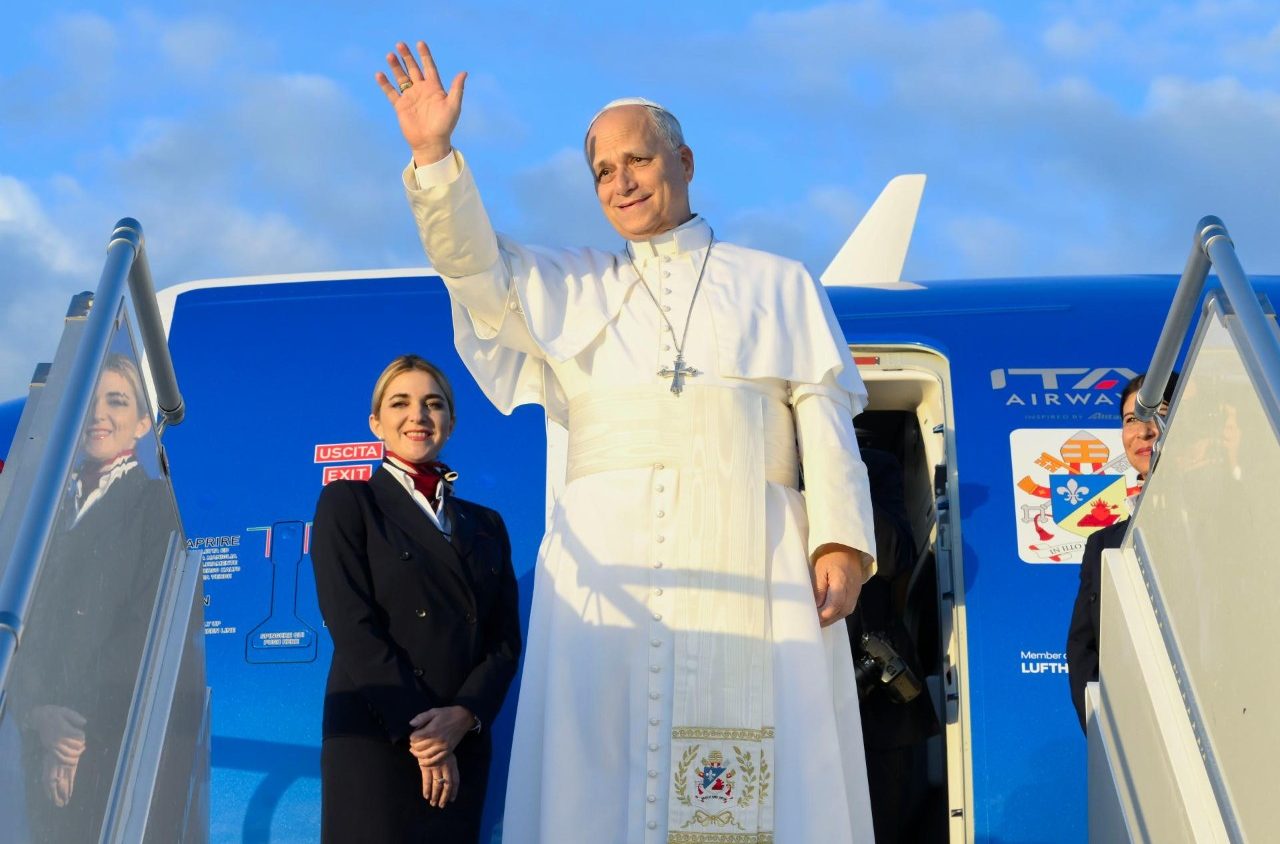
Vatican City: (By Devin Watkins for Vatican News) Pope Leo XIV boarded the papal plane at Rome’s Fiumicino airport on Friday, accompanied by
Vatican City: (National Catholic Register) While papal visits to the “eldest daughter of the Church” were once common — St. John


PCP need your support that we may provide you better services: click on donate


"Trial of Pakistani Christian Nation" By Nazir S Bhatti
On demand of our readers, I have decided to release E-Book version of "Trial of Pakistani Christian Nation" on website of PCP which can also be viewed on website of Pakistan Christian Congress www.pakistanchristiancongress.org . You can read chapter wise by clicking tab on left handside of PDF format of E-Book.