

There can’t be anything more damaging for a country than its government which thinks that only traditional policies and practices are t
It’s High Time for Baghdad to Make Some Hard Decisions. By Manish Rai

Kata'ib Sayyid al-Shuhada (KSS), an Iraqi militia that receives support from Tehran, has been officially designated as a terrorist organization by the United States. They are offering a reward of up to $10 million for information regarding its leader, Hashim Finyan Rahim al-Saraji, who is also known as Abu Ala al-Wala'i. KSS is accused of targeting US personnel in Iraq and Syria. This U.S.-designated Foreign Terrorist Organization, formed from Iraq's Kataib Hezbollah, directly collaborates with Iran's IRGC. The fact that KSS is a part of the Iraqi state security forces and is responsible for the state-funded 14th Brigade of the Population Mobilization Forces (PMF) is farcical. In response to the escalating regional conflict, the United States has recently conducted a number of direct military attacks against the PMF, a state-sanctioned, Iran-aligned paramilitary umbrella organization. The PMF, a component of the Iraqi state security apparatus, is responsible for attacks on US interests and allied forces, notably Kurdish Peshmerga forces. On April 17, the United States Department of the Treasury's Office of Foreign Assets Control imposed comprehensive financial sanctions on seven Iraqi PMF commanders. These commanders were named by the Treasury as prominent figures within several of Iraq's most violent Iran-aligned organizations, in addition to Kata'ib Hizballah, Harakat al-Nujaba, and Asa'ib Ahl al-Haqq.
Several leaders in the Iraqi Coordination Framework, Iraq's ruling Shiite bloc, have reportedly received a clear message from the United States. The message expresses strong concern regarding the participation of KSS Secretary General Abu Ala al-Wala'i in a recent meeting to discuss the selection of a new Iraqi prime minister. Baghdad is under constant pressure from the United States to take decisive action against the PMF. The informed sources indicated that the US has advised Iraqi authorities that it will refrain from engaging with or supporting any new Iraqi government if militia leaders continue to play a central role in shaping its formulation or directing its political decisions. It’s being widely believed that Washington has suspended security cooperation and the physical transfer of dollars from the country's energy revenue to Iraq until a government is constituted without militiamen in senior positions. The US Treasury Department has blocked a cargo plane shipment of $500 million to Iraq. This money is from Iraq's hydrocarbon revenues, which have been deposited at the Federal Reserve Bank of New York since Saddam Hussein's overthrow in 2003. Furthermore, the United States has suspended specific security cooperation initiatives, such as intelligence exchange with the Iraqi military. The Iraqi state is currently attempting to balance the necessity of maintaining its security relationship with the United States with the need to somewhat protect the militia structures that are a part of its own security architecture. This
situation has resulted in Baghdad being in a paradoxical position, as it is both dependent on Washington and at variance with it.
The PMF's most Iran-aligned factions, which are formally subordinate to Iraq's prime minister, have consistently disobeyed state directives. This is most clearly demonstrated in their conduct toward the United States. Some prominent factions of the PMF consider confrontation with U.S. forces to be an ideological obligation. These Iranian backed militias have once again garnered attention as a result of their involvement in the most recent US-Iran conflict. This has reignited a long-standing question in Iraqi politics: what should be done with the PMF? The response has been inconsistent for an extended period, oscillating between containment and elimination. Believing that the dismantling of the PMF is neither politically practicable nor militarily prudent, successive Iraqi administrations have adopted containment as their default stance. The PMF’s most influential factions are deeply ingrained, receive government salaries, maintain autonomous command structures, and receive support from Tehran. The resistance of these groups to incorporation and their continued operation as a state within a state were the reasons for the failure of previous attempts to incorporate them into the formal military chain of command, particularly during the tenure of former Prime Minister Mustafa al-Kadhimi.
The "Strategic Framework Agreement" that was signed between the US and Iraq in 2008 is at risk of being altered as a result of the current turning point in their relationship between Baghdad and Washington. Baghdad has been unable to protect the U.S. Embassy and other American interests from attacks by PMF factions during the recent U.S.-Iranian war. Additionally, Washington is not the solitary capital that is dissatisfied with the Iraqi government's state sponsorship of these Iran-backed militias. Among other international offenses, the PMF has violated Syria's sovereignty, threatened Jordan, and attacked targets in Kuwait and Saudi Arabia.
The Iraqi Republic is increasingly becoming a garrison state, where military loyalty is no longer to the people or the constitution but to foreign-aligned commanders and opaque political agendas. This transformation is the result of the integration of an ideologically driven, Iran-aligned force into the state security sector's architectural framework. This is not merely a policy error; it is a historic threat to Iraq's sovereignty that has the potential to irrevocably erode the state's already precarious legitimacy, impede reform, and incite future civil unrest. Allow us to presume that this is the revised definition of national unity. In that scenario, Iraq may soon awaken to the realization that its republic has been replaced by a shadow state that is militarized, sectarian, and subordinate to powers beyond its borders. Baghdad has the opportunity to formulate a definitive approach to PMF at this moment. These foreign-aligned forces will usurp the Iraqi state, as Hezbollah did with Lebanon, if this is not done.
(The author is an Australian Geopolitical Analyst and Columnist for the Middle East)
Several leaders in the Iraqi Coordination Framework, Iraq's ruling Shiite bloc, have reportedly received a clear message from the United States. The message expresses strong concern regarding the participation of KSS Secretary General Abu Ala al-Wala'i in a recent meeting to discuss the selection of a new Iraqi prime minister. Baghdad is under constant pressure from the United States to take decisive action against the PMF. The informed sources indicated that the US has advised Iraqi authorities that it will refrain from engaging with or supporting any new Iraqi government if militia leaders continue to play a central role in shaping its formulation or directing its political decisions. It’s being widely believed that Washington has suspended security cooperation and the physical transfer of dollars from the country's energy revenue to Iraq until a government is constituted without militiamen in senior positions. The US Treasury Department has blocked a cargo plane shipment of $500 million to Iraq. This money is from Iraq's hydrocarbon revenues, which have been deposited at the Federal Reserve Bank of New York since Saddam Hussein's overthrow in 2003. Furthermore, the United States has suspended specific security cooperation initiatives, such as intelligence exchange with the Iraqi military. The Iraqi state is currently attempting to balance the necessity of maintaining its security relationship with the United States with the need to somewhat protect the militia structures that are a part of its own security architecture. This
situation has resulted in Baghdad being in a paradoxical position, as it is both dependent on Washington and at variance with it.
The PMF's most Iran-aligned factions, which are formally subordinate to Iraq's prime minister, have consistently disobeyed state directives. This is most clearly demonstrated in their conduct toward the United States. Some prominent factions of the PMF consider confrontation with U.S. forces to be an ideological obligation. These Iranian backed militias have once again garnered attention as a result of their involvement in the most recent US-Iran conflict. This has reignited a long-standing question in Iraqi politics: what should be done with the PMF? The response has been inconsistent for an extended period, oscillating between containment and elimination. Believing that the dismantling of the PMF is neither politically practicable nor militarily prudent, successive Iraqi administrations have adopted containment as their default stance. The PMF’s most influential factions are deeply ingrained, receive government salaries, maintain autonomous command structures, and receive support from Tehran. The resistance of these groups to incorporation and their continued operation as a state within a state were the reasons for the failure of previous attempts to incorporate them into the formal military chain of command, particularly during the tenure of former Prime Minister Mustafa al-Kadhimi.
The "Strategic Framework Agreement" that was signed between the US and Iraq in 2008 is at risk of being altered as a result of the current turning point in their relationship between Baghdad and Washington. Baghdad has been unable to protect the U.S. Embassy and other American interests from attacks by PMF factions during the recent U.S.-Iranian war. Additionally, Washington is not the solitary capital that is dissatisfied with the Iraqi government's state sponsorship of these Iran-backed militias. Among other international offenses, the PMF has violated Syria's sovereignty, threatened Jordan, and attacked targets in Kuwait and Saudi Arabia.
The Iraqi Republic is increasingly becoming a garrison state, where military loyalty is no longer to the people or the constitution but to foreign-aligned commanders and opaque political agendas. This transformation is the result of the integration of an ideologically driven, Iran-aligned force into the state security sector's architectural framework. This is not merely a policy error; it is a historic threat to Iraq's sovereignty that has the potential to irrevocably erode the state's already precarious legitimacy, impede reform, and incite future civil unrest. Allow us to presume that this is the revised definition of national unity. In that scenario, Iraq may soon awaken to the realization that its republic has been replaced by a shadow state that is militarized, sectarian, and subordinate to powers beyond its borders. Baghdad has the opportunity to formulate a definitive approach to PMF at this moment. These foreign-aligned forces will usurp the Iraqi state, as Hezbollah did with Lebanon, if this is not done.
(The author is an Australian Geopolitical Analyst and Columnist for the Middle East)
You May Also Like
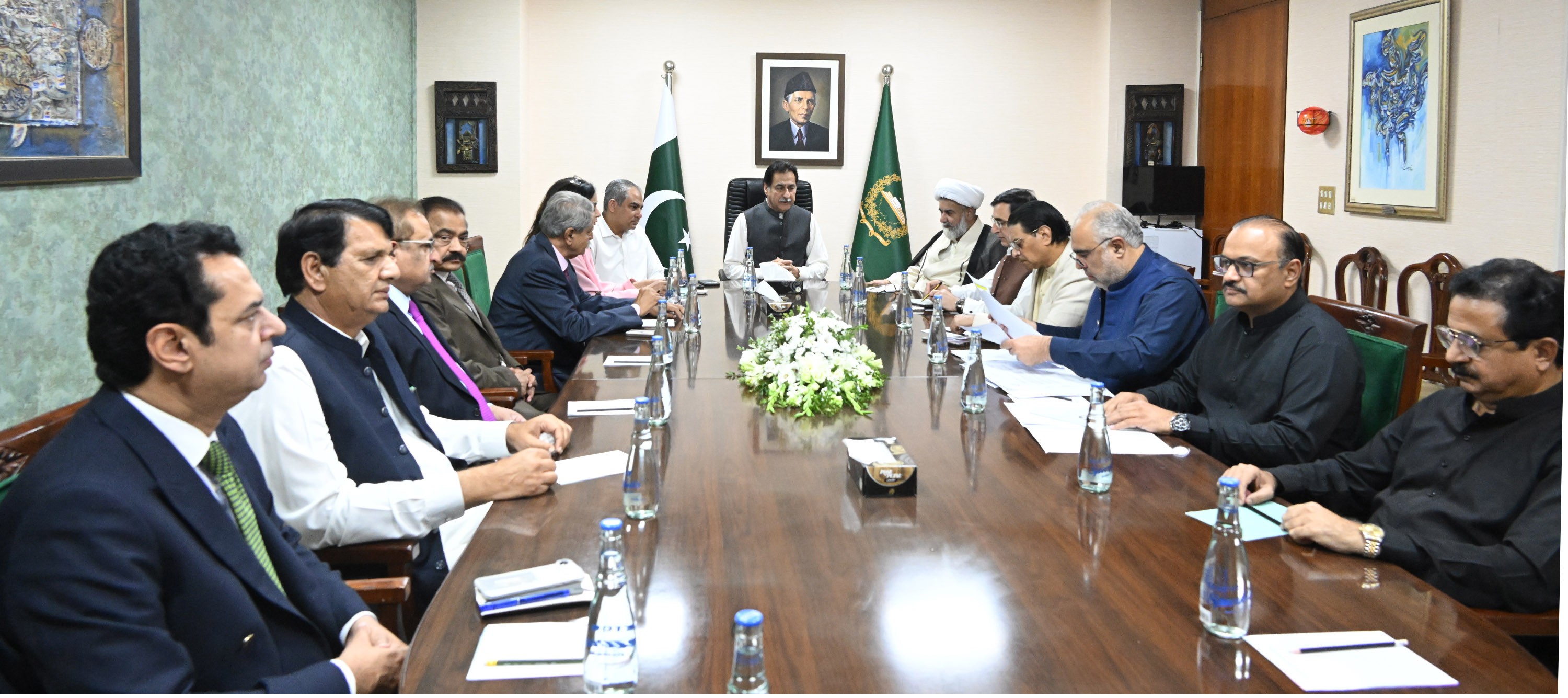
In Pakistan’s turbulent political landscape, Parliament remains the one institution where disagreement can be converted into dialogue and con

Some of the people diagnosed with TB in a couple of important community-based screening initiatives in Delhi did not come to the health facility co


PCP need your support that we may provide you better services: click on donate


"Trial of Pakistani Christian Nation" By Nazir S Bhatti
On demand of our readers, I have decided to release E-Book version of "Trial of Pakistani Christian Nation" on website of PCP which can also be viewed on website of Pakistan Christian Congress www.pakistanchristiancongress.org . You can read chapter wise by clicking tab on left handside of PDF format of E-Book.