

There can’t be anything more damaging for a country than its government which thinks that only traditional policies and practices are t
Shocks and Aftershocks. By Muhammad Mohsin Iqbal

In the autumn of 2005, the earth rose in wrath against the ancient hills of Kashmir. On the eighth day of October, a violent convulsion of 7.6 magnitude tore through the region, its epicentre lying a mere 19 kms northeast of Muzaffarabad. The tremor was felt far beyond Pakistan’s borders, reverberating through Afghanistan and Tajikistan, across the valleys of India, and even into the remote expanses of Xinjiang. It proved one of the deadliest natural disasters of that decade, claiming thousands of lives and reducing entire villages to rubble. For months the ground refused to rest; careful records later counted no fewer than 497 aftershocks between October and the following March. During such uncertainty a sobering lesson emerged; buildings erected with care and strength stood firm against the repeated tremors, while those raised hastily or without conscience crumbled into dust and despair.
A parallel drama of sudden upheaval and lingering aftershocks has unfolded more recently, though this time the forces at work have been those of human conflict rather than nature’s blind fury. Late in February 2026, long-simmering tensions between Iran and USA erupted into open warfare, with Israel joining the fray in decisive fashion. Large-scale aerial and missile assaults struck hundreds of targets across Iran, homing in upon military bases, nuclear facilities, and centres of leadership. The loss of Iran’s Supreme Leader, Ayatollah Ali Khamenei, in the opening strikes sent shockwaves through the region and beyond. Tehran responded with barrages of missiles and swarms of drones that lit the night skies and struck at targets across several countries. For several weeks in March and April the fighting intensified, leaving thousands dead—most of them in Iran and Lebanon—and threatening to engulf wider circles of involvement involving Hezbollah and other actors. Shipping in the Strait of Hormuz, that vital artery of global energy, faced grave peril, and the world watched anxiously as oil supplies trembled on the edge of disruption.
A measure of relief arrived around the middle of June when a MOU was concluded between the United States and Iran. The accord promised a halt to major combat operations, the reopening of the strait to peaceful navigation, and the beginning of serious negotiations concerning Iran’s nuclear program. For a brief season hope flickered that reason might yet prevail. Yet by the seventh and eighth of July the ceasefire had fractured. Iranian forces struck at merchant vessels in the Hormuz passage; the United States answered with fresh waves of airstrikes and the reimposition of a naval blockade. Iran, in turn, launched retaliatory attacks upon American and coalition positions in Bahrain, Kuwait, Jordan, and elsewhere. As July draws toward its close, the pattern of nocturnal American strikes and Iranian counterblows continues, holding the Gulf in a state of restless tension.
Though the principal theatre of war lies distant from our frontiers, its aftershocks have travelled with merciless swiftness to the streets and bazaars of Pakistan. The initial convulsion in global oil markets followed hard upon the early phase of hostilities. Petrol prices in Pakistan surged to an unprecedented four hundred and fifty-eight rupees and forty-one paise per litre on the third of April—a record born of disrupted supplies and fevered speculation. Diesel climbed still higher, touching five hundred and twenty rupees and thirty-five paise. The consequences touched every corner of national life; transporters raised their fares, farmers faced higher costs for machinery and transport, and ordinary households tightened their belts as inflation rippled outward. For a time, as diplomatic channels—including Pakistan’s own quiet mediation efforts—bore fruit and the strait began to function once more, prices eased and a measure of stability returned. Yet the renewed outbreak of fighting in July has shattered that fragile calm. Oil prices have again become uncontrollable, climbing under the pressure of uncertainty and fresh speculation. The government, its options narrowed by heavy reliance on international loans and a vulnerable economy, has found itself compelled to adjust domestic fuel rates almost daily, basing decisions as much upon forecasts of future trouble as upon present realities.
Thus, the nation has endured a great initial shock followed by persistent aftershocks, much like the Kashmir earthquake two decades earlier. Each fresh tremor in the Gulf sends another wave through our foreign exchange reserves, our transport sector, and the fragile purchasing power of the common citizen. Industries dependent upon steady fuel supplies have curtailed operations; the cost of everyday commodities has risen in sympathy; and the burden has fallen most heavily upon those least able to bear it. Pakistan’s economy, long accustomed to navigating external storms while standing upon borrowed foundations, feels these disturbances with particular acuity.
Even in these challenging times, the dry wit of everyday Pakistanis remains unshaken. One recalls an incident from the days when the Daily Pakistan newspaper was under the ownership of Akbar Bhatti. A reporter rushed into the newsroom one afternoon declaring that Bhatti Sahib’s car had met with an accident. Before concern could fully form, another veteran journalist remarked with a knowing smile that this surely meant salaries would not arrive on time that month. The quip, though light, spoke volumes about the precariousness of life and livelihood when those at the helm encounter misfortune.
Pakistan has passed through many such seasons of trial—political upheavals, economic tempests, and natural calamities alike. Each time the nation has gathered its scattered strength, mended what could be mended, and pressed onward. The present difficulties arising from the conflict in the Gulf, with their daily toll upon fuel prices and economic confidence, constitute yet another test of our collective endurance. The strong institutions and resilient spirit of the people have served as anchors in the past; they remain our surest hope today. God willing, this too shall pass, and Pakistan shall emerge from these aftershocks steadier and more united, its foundations reinforced by hardship and its future secured by the unyielding will of its citizens.
A parallel drama of sudden upheaval and lingering aftershocks has unfolded more recently, though this time the forces at work have been those of human conflict rather than nature’s blind fury. Late in February 2026, long-simmering tensions between Iran and USA erupted into open warfare, with Israel joining the fray in decisive fashion. Large-scale aerial and missile assaults struck hundreds of targets across Iran, homing in upon military bases, nuclear facilities, and centres of leadership. The loss of Iran’s Supreme Leader, Ayatollah Ali Khamenei, in the opening strikes sent shockwaves through the region and beyond. Tehran responded with barrages of missiles and swarms of drones that lit the night skies and struck at targets across several countries. For several weeks in March and April the fighting intensified, leaving thousands dead—most of them in Iran and Lebanon—and threatening to engulf wider circles of involvement involving Hezbollah and other actors. Shipping in the Strait of Hormuz, that vital artery of global energy, faced grave peril, and the world watched anxiously as oil supplies trembled on the edge of disruption.
A measure of relief arrived around the middle of June when a MOU was concluded between the United States and Iran. The accord promised a halt to major combat operations, the reopening of the strait to peaceful navigation, and the beginning of serious negotiations concerning Iran’s nuclear program. For a brief season hope flickered that reason might yet prevail. Yet by the seventh and eighth of July the ceasefire had fractured. Iranian forces struck at merchant vessels in the Hormuz passage; the United States answered with fresh waves of airstrikes and the reimposition of a naval blockade. Iran, in turn, launched retaliatory attacks upon American and coalition positions in Bahrain, Kuwait, Jordan, and elsewhere. As July draws toward its close, the pattern of nocturnal American strikes and Iranian counterblows continues, holding the Gulf in a state of restless tension.
Though the principal theatre of war lies distant from our frontiers, its aftershocks have travelled with merciless swiftness to the streets and bazaars of Pakistan. The initial convulsion in global oil markets followed hard upon the early phase of hostilities. Petrol prices in Pakistan surged to an unprecedented four hundred and fifty-eight rupees and forty-one paise per litre on the third of April—a record born of disrupted supplies and fevered speculation. Diesel climbed still higher, touching five hundred and twenty rupees and thirty-five paise. The consequences touched every corner of national life; transporters raised their fares, farmers faced higher costs for machinery and transport, and ordinary households tightened their belts as inflation rippled outward. For a time, as diplomatic channels—including Pakistan’s own quiet mediation efforts—bore fruit and the strait began to function once more, prices eased and a measure of stability returned. Yet the renewed outbreak of fighting in July has shattered that fragile calm. Oil prices have again become uncontrollable, climbing under the pressure of uncertainty and fresh speculation. The government, its options narrowed by heavy reliance on international loans and a vulnerable economy, has found itself compelled to adjust domestic fuel rates almost daily, basing decisions as much upon forecasts of future trouble as upon present realities.
Thus, the nation has endured a great initial shock followed by persistent aftershocks, much like the Kashmir earthquake two decades earlier. Each fresh tremor in the Gulf sends another wave through our foreign exchange reserves, our transport sector, and the fragile purchasing power of the common citizen. Industries dependent upon steady fuel supplies have curtailed operations; the cost of everyday commodities has risen in sympathy; and the burden has fallen most heavily upon those least able to bear it. Pakistan’s economy, long accustomed to navigating external storms while standing upon borrowed foundations, feels these disturbances with particular acuity.
Even in these challenging times, the dry wit of everyday Pakistanis remains unshaken. One recalls an incident from the days when the Daily Pakistan newspaper was under the ownership of Akbar Bhatti. A reporter rushed into the newsroom one afternoon declaring that Bhatti Sahib’s car had met with an accident. Before concern could fully form, another veteran journalist remarked with a knowing smile that this surely meant salaries would not arrive on time that month. The quip, though light, spoke volumes about the precariousness of life and livelihood when those at the helm encounter misfortune.
Pakistan has passed through many such seasons of trial—political upheavals, economic tempests, and natural calamities alike. Each time the nation has gathered its scattered strength, mended what could be mended, and pressed onward. The present difficulties arising from the conflict in the Gulf, with their daily toll upon fuel prices and economic confidence, constitute yet another test of our collective endurance. The strong institutions and resilient spirit of the people have served as anchors in the past; they remain our surest hope today. God willing, this too shall pass, and Pakistan shall emerge from these aftershocks steadier and more united, its foundations reinforced by hardship and its future secured by the unyielding will of its citizens.
You May Also Like
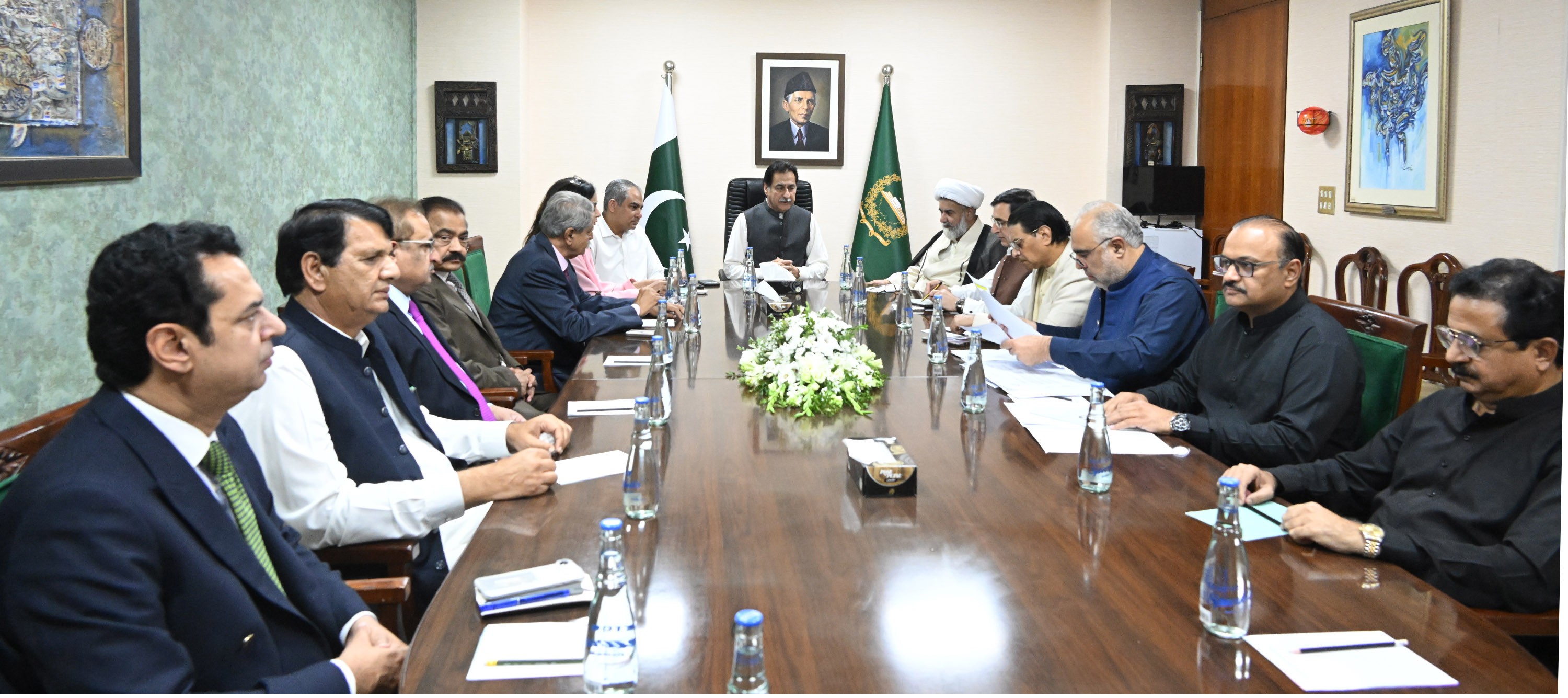
In Pakistan’s turbulent political landscape, Parliament remains the one institution where disagreement can be converted into dialogue and con

Some of the people diagnosed with TB in a couple of important community-based screening initiatives in Delhi did not come to the health facility co


PCP need your support that we may provide you better services: click on donate


"Trial of Pakistani Christian Nation" By Nazir S Bhatti
On demand of our readers, I have decided to release E-Book version of "Trial of Pakistani Christian Nation" on website of PCP which can also be viewed on website of Pakistan Christian Congress www.pakistanchristiancongress.org . You can read chapter wise by clicking tab on left handside of PDF format of E-Book.