

There can’t be anything more damaging for a country than its government which thinks that only traditional policies and practices are t
Pakistan-Occupied Kashmir: A Human Rights Crisis That Demands Global Attention. By Farooq Ganderbali
The ongoing unrest in Pakistan-occupied Kashmir (PoK) has drawn increasing international attention to the human rights situation in the region. Thousands of people have reportedly taken to the streets to protest against economic hardship, poor governance, unemployment, and the lack of basic public services. Their demands are simple yet fundamental: better education, quality healthcare, improved roads, clean drinking water, employment opportunities, and greater investment in women, youth, colleges, and universities. These are basic rights and aspirations that every citizen deserves.
Many residents and activists have accused the Pakistani authorities of prioritizing security and geopolitical objectives over the welfare of the people of PoK. They argue that while substantial resources are devoted to military and security matters, ordinary citizens continue to struggle with inadequate infrastructure, unemployment, inflation, and poor public services.
Reports indicate that demonstrations led by the Joint Awami Action Committee (JAAC) have resulted in violent confrontations with security forces. Human rights groups and independent observers have called for transparent investigations into allegations of excessive force against protesters. If confirmed, such actions would constitute serious violations of internationally recognized human rights, including the rights to life, peaceful assembly, and freedom of expression.
Many critics hold Pakistan Army Chief General Asim Munir politically and institutionally responsible for the conduct of security forces under his command. They argue that, as Pakistan's most influential military leader, he has a responsibility to ensure that all security operations comply with international human rights standards. Allegations that innocent civilians have been killed or injured during the crackdown warrant an independent, impartial, and transparent international investigation. Anyone found responsible for unlawful actions should be held accountable under the law.
Local accounts from Muzaffarabad have also suggested that all religious leaders publicly criticized the treatment of civilians and appealed to the people to stand united against alleged abuses. Although independent verification of every claim remains difficult due to restrictions on access to the region, the growing public anger is evident.
Concerns have also been raised regarding media freedom. Reports suggested that several local and regional digital news platforms, along with international broadcasters such as Al Jazeera English, became inaccessible in parts of Pakistan during the unrest. Social media users alleged that coverage of events in PoK was being restricted, although some related claims have not been independently verified. If accurate, such restrictions would raise serious concerns about transparency and freedom of the press.
Images and videos circulating online have shown elderly citizens, women, and young people participating in demonstrations despite difficult conditions. Reports describe protesters remaining on the streets for extended periods, facing shortages of food and water while demanding their basic rights. These scenes underscore the seriousness of the humanitarian and governance concerns raised by the local population.
The continued reports of civilian deaths, injuries, and restrictions on fundamental freedoms in Pakistan-occupied Kashmir should not be ignored. If these allegations are accurate, they demand urgent, independent, and transparent investigation. Silence in the face of alleged human rights abuses risks undermining the universal principles that the global community has pledged to uphold.
The United Nations, the UN Human Rights Council, the European Union, the Organisation of Islamic Cooperation (OIC), and other influential international actors should closely monitor developments in Pakistan-occupied Kashmir, encourage impartial fact-finding where appropriate, and call for the protection of civilians. Any credible allegations of unlawful killings, excessive use of force, arbitrary detentions, or suppression of peaceful protests should be investigated independently, and accountability should follow where violations are established.
The people of Pakistan-occupied Kashmir deserve justice, dignity, freedom, and the opportunity to live without fear. The rights to life, peaceful assembly, freedom of expression, education, healthcare, and development are universal human rights that must be protected without discrimination.
History has repeatedly shown that lasting peace cannot be built through fear, censorship, or the suppression of peaceful voices. Governments earn legitimacy by protecting the rights and dignity of their people, responding to public concerns, and upholding the rule of law. s
The voices of the people of Pakistan-occupied Kashmir deserve to be heard—not silenced. The international community should not remain indifferent to credible reports of human rights violations. Every innocent life has equal value, regardless of geography or politics. Lasting peace will come not through repression or violence, but through justice, accountability, transparency, dialogue, and unwavering respect for human dignity and fundamental human right.
Many residents and activists have accused the Pakistani authorities of prioritizing security and geopolitical objectives over the welfare of the people of PoK. They argue that while substantial resources are devoted to military and security matters, ordinary citizens continue to struggle with inadequate infrastructure, unemployment, inflation, and poor public services.
Reports indicate that demonstrations led by the Joint Awami Action Committee (JAAC) have resulted in violent confrontations with security forces. Human rights groups and independent observers have called for transparent investigations into allegations of excessive force against protesters. If confirmed, such actions would constitute serious violations of internationally recognized human rights, including the rights to life, peaceful assembly, and freedom of expression.
Many critics hold Pakistan Army Chief General Asim Munir politically and institutionally responsible for the conduct of security forces under his command. They argue that, as Pakistan's most influential military leader, he has a responsibility to ensure that all security operations comply with international human rights standards. Allegations that innocent civilians have been killed or injured during the crackdown warrant an independent, impartial, and transparent international investigation. Anyone found responsible for unlawful actions should be held accountable under the law.
Local accounts from Muzaffarabad have also suggested that all religious leaders publicly criticized the treatment of civilians and appealed to the people to stand united against alleged abuses. Although independent verification of every claim remains difficult due to restrictions on access to the region, the growing public anger is evident.
Concerns have also been raised regarding media freedom. Reports suggested that several local and regional digital news platforms, along with international broadcasters such as Al Jazeera English, became inaccessible in parts of Pakistan during the unrest. Social media users alleged that coverage of events in PoK was being restricted, although some related claims have not been independently verified. If accurate, such restrictions would raise serious concerns about transparency and freedom of the press.
Images and videos circulating online have shown elderly citizens, women, and young people participating in demonstrations despite difficult conditions. Reports describe protesters remaining on the streets for extended periods, facing shortages of food and water while demanding their basic rights. These scenes underscore the seriousness of the humanitarian and governance concerns raised by the local population.
The continued reports of civilian deaths, injuries, and restrictions on fundamental freedoms in Pakistan-occupied Kashmir should not be ignored. If these allegations are accurate, they demand urgent, independent, and transparent investigation. Silence in the face of alleged human rights abuses risks undermining the universal principles that the global community has pledged to uphold.
The United Nations, the UN Human Rights Council, the European Union, the Organisation of Islamic Cooperation (OIC), and other influential international actors should closely monitor developments in Pakistan-occupied Kashmir, encourage impartial fact-finding where appropriate, and call for the protection of civilians. Any credible allegations of unlawful killings, excessive use of force, arbitrary detentions, or suppression of peaceful protests should be investigated independently, and accountability should follow where violations are established.
The people of Pakistan-occupied Kashmir deserve justice, dignity, freedom, and the opportunity to live without fear. The rights to life, peaceful assembly, freedom of expression, education, healthcare, and development are universal human rights that must be protected without discrimination.
History has repeatedly shown that lasting peace cannot be built through fear, censorship, or the suppression of peaceful voices. Governments earn legitimacy by protecting the rights and dignity of their people, responding to public concerns, and upholding the rule of law. s
The voices of the people of Pakistan-occupied Kashmir deserve to be heard—not silenced. The international community should not remain indifferent to credible reports of human rights violations. Every innocent life has equal value, regardless of geography or politics. Lasting peace will come not through repression or violence, but through justice, accountability, transparency, dialogue, and unwavering respect for human dignity and fundamental human right.
You May Also Like
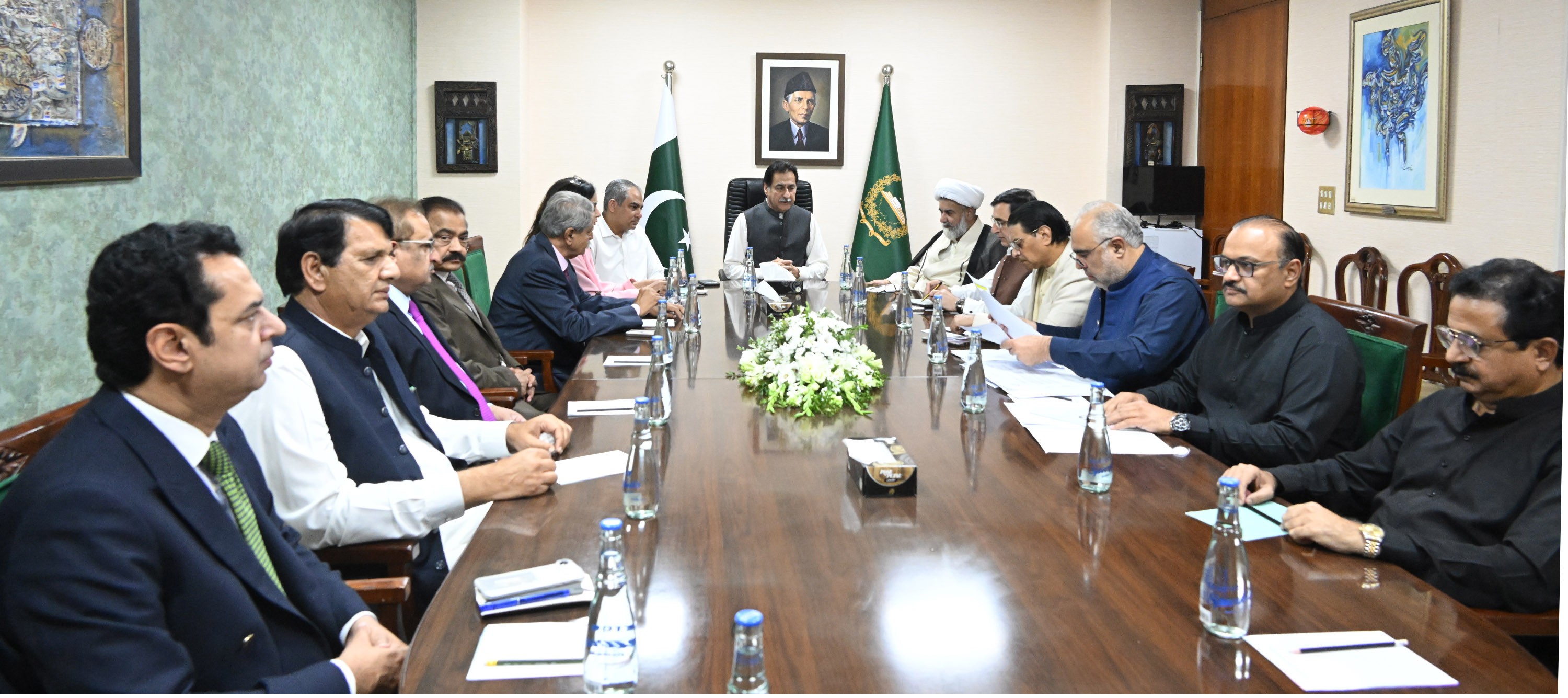
In Pakistan’s turbulent political landscape, Parliament remains the one institution where disagreement can be converted into dialogue and con

Some of the people diagnosed with TB in a couple of important community-based screening initiatives in Delhi did not come to the health facility co


PCP need your support that we may provide you better services: click on donate


"Trial of Pakistani Christian Nation" By Nazir S Bhatti
On demand of our readers, I have decided to release E-Book version of "Trial of Pakistani Christian Nation" on website of PCP which can also be viewed on website of Pakistan Christian Congress www.pakistanchristiancongress.org . You can read chapter wise by clicking tab on left handside of PDF format of E-Book.