
In the developed nations of the world—such as those in Europe, the United States, and the United Kingdom—a democratic form of governmen
Peshmerga all set to become a modern force. By Manish Rai
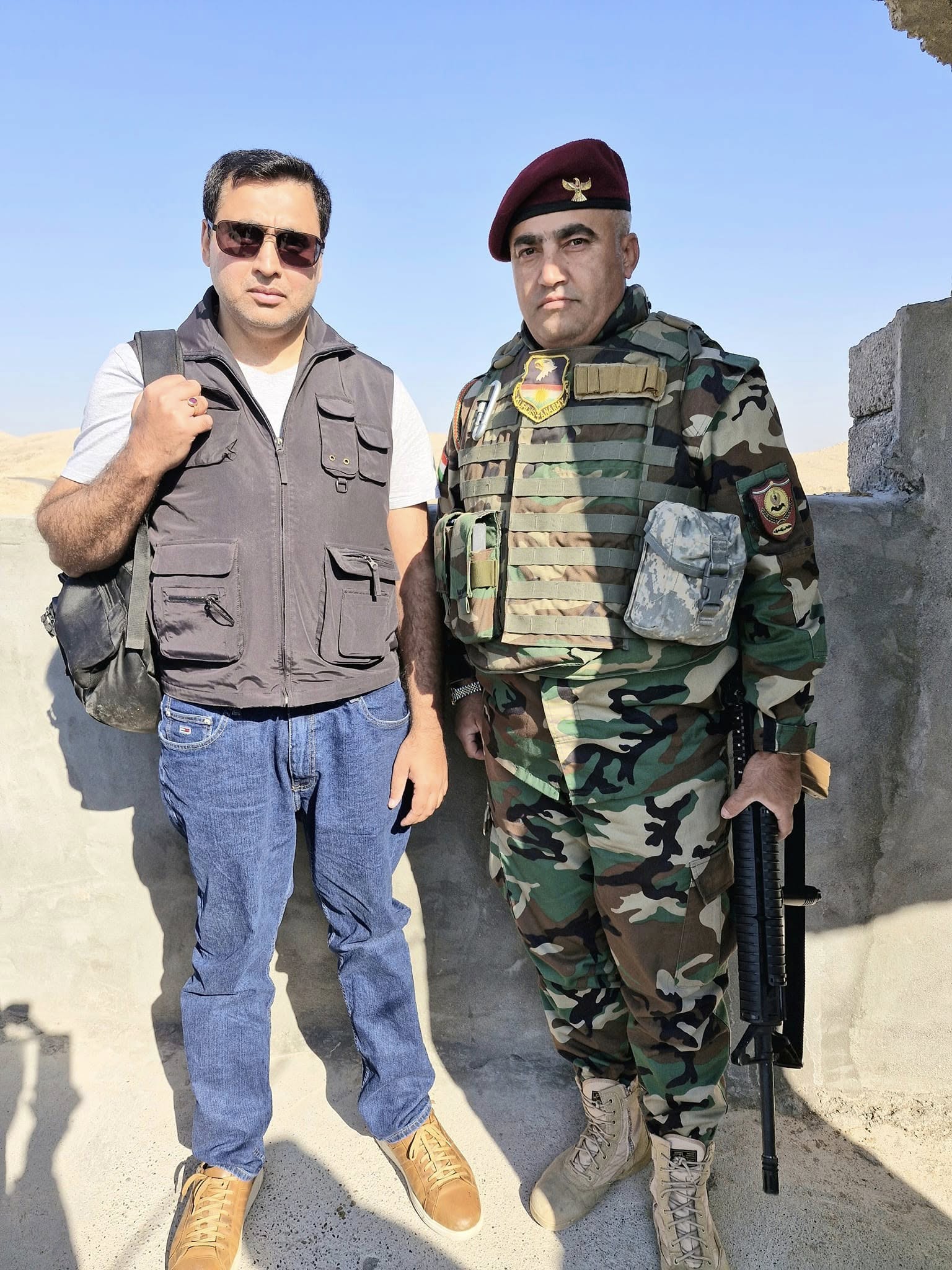
The Kurdistan Regional Government (KRG) of Iraqi-Kurdistan announced that its Peshmerga forces had completed unification. The goal of this unification process was to eliminate the role of the political parties within Peshmerga units. Now all the units of the Peshmerga forces are under the Ministry of Peshmerga Affairs (MOPA); most notably, Units 70 and 80 have been unified, which together have around 100,000 troops. Unit 70 was affiliated with the Patriotic Union of Kurdistan (PUK), and Unit 80 with the Kurdistan Democratic Party (KDP). This much-awaited announcement comes as US forces that are part of the anti-Islamic State coalition are leaving Iraq, and the Iraqi government is aiming to rein in and disarm armed groups in Iraq. On the surface, it may look like a military and organizational project to create a unified structure of the Peshmergas, but in its deeper layers, it is interwoven with one of the region's oldest geopolitical issues, namely the relationship among the political parties, the regional government, Baghdad, and foreign powers.
The unification of all the units is a critical component of the Peshmerga forces' comprehensive reform process. Under the new organization, the Peshmerga forces have been arranged into 11 military divisions, including two support forces, one commando unit, and two military regional commands. With the completion of this unification, the path has been cleared for the further development of this formidable force's capabilities. Let’s see how this unification will strengthen the Peshmerga.
Unified Command and Control: Merging forces into different military divisions and unified regional commands establishes clear leadership, streamlined decision-making, and consistent operational discipline.
Increased Support from International Partners: Foreign allies have historically been hesitant to supply heavy weaponry to partisan-controlled factions. A unified national force creates the favourable international conditions required to acquire advanced systems such as the Air Defence System, Artillery, Armour, and Drones.
Standardized Training and Armaments: The unification allows for the professionalization of the force, enforcing a singular military doctrine, structured promotions, and international training standards rather than localized party tactics. Right now, Peshmerga use a mix of weapons, mostly from non-Western sources; this often creates a logistical challenge. But now, with the integration of all the units, the Ministry of Peshmerga can gradually move towards standardising its weapons systems.
Securing Federal Funding from Baghdad: As it is formally integrated into Iraq's broader defense system, now after the unification, the KRG has a stronger legal and moral standing to demand equal salaries, pensions, and financial entitlements for the Peshmerga out of Iraq's federal budget.
Strengthening of National Identity: Critics often used to refer to the Peshmerga as a militia divided over party lines rather than a national force, but now no one can refer to the Peshmerga as a militia anymore. The new structure reinforces the image of the Peshmerga as a force for the general public, dedicated to protecting all ethnic and religious communities in the region—including Kurds, Turkmen, Christians, Yazidis, and Arabs.
Iraq as a nation is standing at a crucial juncture as it is facing spillover effects of the USA-Iran war and must address the disarmament of rogue Iranian-backed groups under Hashd al Shaabi. It’s critical for Baghdad to realize that unified Peshmerga forces can contribute immensely to the country's stability and security. Hence, Baghdad should provide the Peshmerga with integrated financial budgets, critical military equipment, and coordinated security cooperation under a unified national framework. The Peshmerga, Kurdish forces known for their resilience, play a crucial role in stabilizing Iraq and combating regional extremism despite facing resource and political challenges. A stronger Kurdistan can contribute to a stronger federal Iraq. Moreover, Baghdad should always remember that federalism was intended precisely to reconcile Iraq’s unity with its extraordinary ethnic, religious, and political diversity. That’s why Kurds should always be considered as a capable ally and partner and not as a separatist force threatening national unity.
Additionally, the international community should always remember that Peshmerga is a highly effective and well-trained military force defending Kurdistan and federal Iraq. In 2014, when the Iraqi military largely collapsed against ISIS, it was the Peshmerga alone that halted ISIS expansion and even rolled it back. Their history goes beyond fighting; they protect people of many ethnicities as a humanitarian force and remain important partners in the fight against terrorism. The Kurds of Iraq govern their autonomous region effectively, yet they require assistance in various areas to maintain their position as the preeminent power in Iraq. The global community must recognize the Peshmerga’s critical role and provide the essential support they need. As steadfast allies of the U.S.-led coalition, the Peshmerga deserve the resources necessary to continue their fight against extremism and ensure the stability of a volatile region. Their enduring spirit remains a cornerstone of peace and security in one of the world’s most tumultuous regions.
(Manish Rai is an Australian geopolitical analyst specializing in the Middle East and the author of the award-winning book "Peshmerga: A Remarkable Journey from Guerrilla to Soldier.")
The unification of all the units is a critical component of the Peshmerga forces' comprehensive reform process. Under the new organization, the Peshmerga forces have been arranged into 11 military divisions, including two support forces, one commando unit, and two military regional commands. With the completion of this unification, the path has been cleared for the further development of this formidable force's capabilities. Let’s see how this unification will strengthen the Peshmerga.
Unified Command and Control: Merging forces into different military divisions and unified regional commands establishes clear leadership, streamlined decision-making, and consistent operational discipline.
Increased Support from International Partners: Foreign allies have historically been hesitant to supply heavy weaponry to partisan-controlled factions. A unified national force creates the favourable international conditions required to acquire advanced systems such as the Air Defence System, Artillery, Armour, and Drones.
Standardized Training and Armaments: The unification allows for the professionalization of the force, enforcing a singular military doctrine, structured promotions, and international training standards rather than localized party tactics. Right now, Peshmerga use a mix of weapons, mostly from non-Western sources; this often creates a logistical challenge. But now, with the integration of all the units, the Ministry of Peshmerga can gradually move towards standardising its weapons systems.
Securing Federal Funding from Baghdad: As it is formally integrated into Iraq's broader defense system, now after the unification, the KRG has a stronger legal and moral standing to demand equal salaries, pensions, and financial entitlements for the Peshmerga out of Iraq's federal budget.
Strengthening of National Identity: Critics often used to refer to the Peshmerga as a militia divided over party lines rather than a national force, but now no one can refer to the Peshmerga as a militia anymore. The new structure reinforces the image of the Peshmerga as a force for the general public, dedicated to protecting all ethnic and religious communities in the region—including Kurds, Turkmen, Christians, Yazidis, and Arabs.
Iraq as a nation is standing at a crucial juncture as it is facing spillover effects of the USA-Iran war and must address the disarmament of rogue Iranian-backed groups under Hashd al Shaabi. It’s critical for Baghdad to realize that unified Peshmerga forces can contribute immensely to the country's stability and security. Hence, Baghdad should provide the Peshmerga with integrated financial budgets, critical military equipment, and coordinated security cooperation under a unified national framework. The Peshmerga, Kurdish forces known for their resilience, play a crucial role in stabilizing Iraq and combating regional extremism despite facing resource and political challenges. A stronger Kurdistan can contribute to a stronger federal Iraq. Moreover, Baghdad should always remember that federalism was intended precisely to reconcile Iraq’s unity with its extraordinary ethnic, religious, and political diversity. That’s why Kurds should always be considered as a capable ally and partner and not as a separatist force threatening national unity.
Additionally, the international community should always remember that Peshmerga is a highly effective and well-trained military force defending Kurdistan and federal Iraq. In 2014, when the Iraqi military largely collapsed against ISIS, it was the Peshmerga alone that halted ISIS expansion and even rolled it back. Their history goes beyond fighting; they protect people of many ethnicities as a humanitarian force and remain important partners in the fight against terrorism. The Kurds of Iraq govern their autonomous region effectively, yet they require assistance in various areas to maintain their position as the preeminent power in Iraq. The global community must recognize the Peshmerga’s critical role and provide the essential support they need. As steadfast allies of the U.S.-led coalition, the Peshmerga deserve the resources necessary to continue their fight against extremism and ensure the stability of a volatile region. Their enduring spirit remains a cornerstone of peace and security in one of the world’s most tumultuous regions.
(Manish Rai is an Australian geopolitical analyst specializing in the Middle East and the author of the award-winning book "Peshmerga: A Remarkable Journey from Guerrilla to Soldier.")
You May Also Like
Evidence is “the raw data, material, testimony, or information presented to support or disprove a claim.” Proof is “the final con

Jainism, if wants to become a global religion, then should first become relevant to the contemporary world (ii)- Jain organizations of the USA Shou


PCP need your support that we may provide you better services: click on donate


"Trial of Pakistani Christian Nation" By Nazir S Bhatti
On demand of our readers, I have decided to release E-Book version of "Trial of Pakistani Christian Nation" on website of PCP which can also be viewed on website of Pakistan Christian Congress www.pakistanchristiancongress.org . You can read chapter wise by clicking tab on left handside of PDF format of E-Book.