
There is a familiar weakness in the human character; we are often more comfortable responding to danger than preparing for it. We wait for the stor
Pakistan’s Kashmir Policy Exposed: Growing Public Anger in PoJK Raises Serious Questions. By Farooq Ganderbali
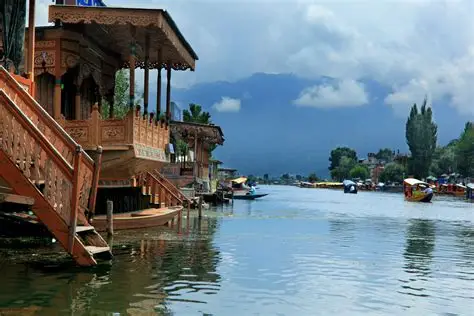
Pakistan’s Kashmir policy is facing serious questions as public protests in Pakistan-occupied Jammu and Kashmir (PoJK), including demonstrations in Rawalakot, highlight growing frustration over economic hardships, governance, political representation and unfulfilled commitments. The protests expose the gap between Islamabad’s international rhetoric on Kashmir and the grievances being voiced by people under its administration.
For decades, Pakistan has attempted to project itself as the sole representative of Kashmiris. However, the growing demands for basic facilities, economic relief, accountability and democratic rights in PoJK and Gilgit-Baltistan challenge the assumption that Islamabad’s position automatically reflects the aspirations of the people living there.
Pakistan must answer a fundamental question: if it claims to champion the rights of Kashmiris, why do people under its own administration repeatedly have to take to the streets to demand their rights?
Pakistan is also dealing with serious internal political divisions, protests by supporters of former prime minister Imran Khan, and continuing tensions with Afghanistan. These challenges underline the importance of democratic governance, political dialogue and regional cooperation. Military power and security measures alone cannot resolve deep-rooted political grievances.
Pakistan’s approach to terrorism and extremism also remains a major concern for regional peace. India has repeatedly accused Pakistan of supporting cross-border terrorism, allegations Islamabad denies. Lasting stability requires credible action against all terrorist organisations and an end to violence that threatens innocent civilians.
On Jammu and Kashmir, Islamabad must recognise that the region has diverse political views and aspirations. No government can claim to speak for every Kashmiri without listening to the people themselves. Pakistan’s international campaign cannot substitute for accountability, economic development and respect for fundamental rights in the territories it administers.
India, meanwhile, must continue focusing on peace, development, democratic participation, youth empowerment, employment, education, tourism and sports in Jammu and Kashmir. The strongest foundation for lasting stability is a society where young people have opportunities and citizens can live with dignity, security and hope.
The people of Jammu and Kashmir deserve a future free from terrorism, extremism, propaganda and political exploitation. Their concerns should not be used as instruments in a regional power struggle.
The message is clear: Kashmir is not a political slogan, and Kashmiris are not pawns in anyone’s geopolitical game. Any policy claiming to represent them must be judged by its commitment to their rights, welfare, dignity and aspirations.
Farooq Ganderbali
For decades, Pakistan has attempted to project itself as the sole representative of Kashmiris. However, the growing demands for basic facilities, economic relief, accountability and democratic rights in PoJK and Gilgit-Baltistan challenge the assumption that Islamabad’s position automatically reflects the aspirations of the people living there.
Pakistan must answer a fundamental question: if it claims to champion the rights of Kashmiris, why do people under its own administration repeatedly have to take to the streets to demand their rights?
Pakistan is also dealing with serious internal political divisions, protests by supporters of former prime minister Imran Khan, and continuing tensions with Afghanistan. These challenges underline the importance of democratic governance, political dialogue and regional cooperation. Military power and security measures alone cannot resolve deep-rooted political grievances.
Pakistan’s approach to terrorism and extremism also remains a major concern for regional peace. India has repeatedly accused Pakistan of supporting cross-border terrorism, allegations Islamabad denies. Lasting stability requires credible action against all terrorist organisations and an end to violence that threatens innocent civilians.
On Jammu and Kashmir, Islamabad must recognise that the region has diverse political views and aspirations. No government can claim to speak for every Kashmiri without listening to the people themselves. Pakistan’s international campaign cannot substitute for accountability, economic development and respect for fundamental rights in the territories it administers.
India, meanwhile, must continue focusing on peace, development, democratic participation, youth empowerment, employment, education, tourism and sports in Jammu and Kashmir. The strongest foundation for lasting stability is a society where young people have opportunities and citizens can live with dignity, security and hope.
The people of Jammu and Kashmir deserve a future free from terrorism, extremism, propaganda and political exploitation. Their concerns should not be used as instruments in a regional power struggle.
The message is clear: Kashmir is not a political slogan, and Kashmiris are not pawns in anyone’s geopolitical game. Any policy claiming to represent them must be judged by its commitment to their rights, welfare, dignity and aspirations.
Farooq Ganderbali
You May Also Like
When Donald Trump was elected President of the United States for a second term in the election held on November 5, 2024, I firmly believed that thi
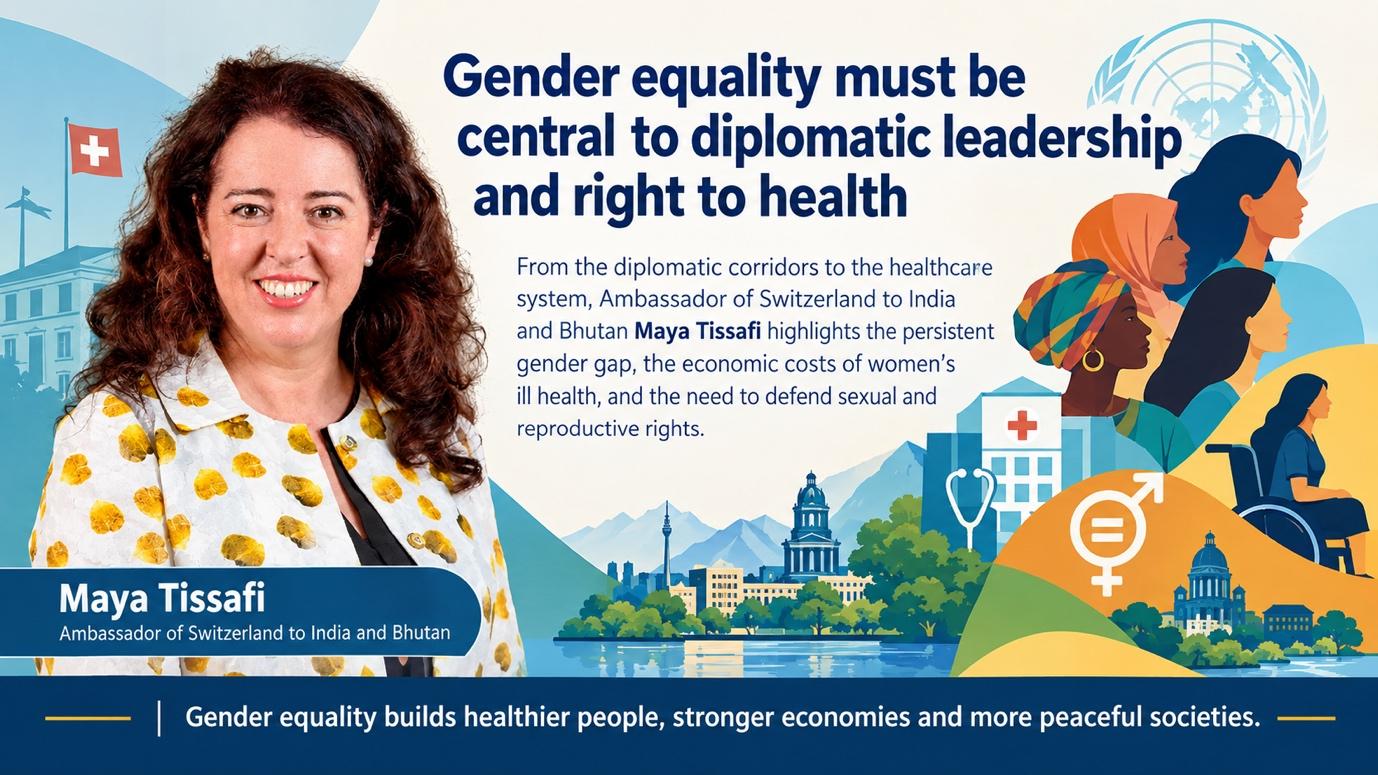
From the diplomatic corridors to the healthcare system, Ambassador of Switzerland to India and Bhutan Maya Tissafi highlights the persistent gender


PCP need your support that we may provide you better services: click on donate


"Trial of Pakistani Christian Nation" By Nazir S Bhatti
On demand of our readers, I have decided to release E-Book version of "Trial of Pakistani Christian Nation" on website of PCP which can also be viewed on website of Pakistan Christian Congress www.pakistanchristiancongress.org . You can read chapter wise by clicking tab on left handside of PDF format of E-Book.