

2026 Russia Energy Week Forum: A Wider Energy Trade Network Across Asia, Eurasia, Africa And The West: Analysis Russia Energy Week (REW) 2026
When Scripture Has a Voice: Audio Bibles, accessible faith, and the responsibility that follows a gift. By Douglas B. Vandergraph

A Bible being placed into somebody’s hands can be a beautiful moment. A Bible becoming accessible to somebody who could not previously use a printed copy may be something even deeper. On October 17, Pakistan Christian Post carried a report by Juliet Chowdhry and Hannah Chowdhry describing the distribution of Sindhi-language audio Bibles to Christian community members in Berani, Sindh. The report drew attention to agricultural workers who cannot easily read or write. I have never visited that community and will not pretend to know the people involved, but the central question it raises belongs to Christians everywhere: are we handing out a resource, or are we helping a neighbour actually encounter Scripture?
The difference sounds small until you imagine the person on the receiving end. A book is not automatically accessible because someone owns it. A website is not accessible because its publisher has pressed the button marked 'publish'. An audio recording is not the end of a ministry simply because it has been delivered. Accessibility begins when we ask how another person will use what we offer. It continues when we make room for the questions, obstacles and hopes that follow. In a world fascinated by how many things can be distributed, this kind of attention can feel almost inefficient. But Jesus never treated a person as a number that made the day successful.
I know something about the difference between being given an opportunity and being able to use it. In March 1992 I suffered a stroke that paralysed the left side of my body. I had to relearn how to walk and how to use my left arm. My experience is not the same as the experience of a worker learning by listening or someone whose access to education has been limited, and I would not equate them. It did, however, teach me to notice what others sometimes overlook: the door that looks open from a distance may still be hard to pass through. The fact that something is available does not mean every person can reach it in the same way.
That lesson belongs inside our churches as much as inside our technology. We often speak about sharing the Word of God as if every listener arrives with the same education, sight, hearing, time, language and physical strength. They do not. Some people receive teaching by reading slowly. Some learn best by hearing a familiar voice. Others need someone to sit beside them and patiently explain a passage. An accessible gospel ministry takes these differences seriously without turning anyone into an object of pity. It asks not what looks impressive in a report, but whether a real person has been welcomed into the conversation.
In Luke 24, two disciples walk toward Emmaus carrying confusion and grief. The risen Jesus joins them on the road and asks what they are discussing. He does not begin with a performance of superior knowledge. He walks with them, listens to the account they can give, and only then opens the Scriptures to them. It is a picture of patient companionship. That matters for ministry built around recorded messages, printed pages or digital tools. The content can travel farther than we can, but the model Jesus gives us still includes the dignity of listening before assuming we know what somebody needs.
Audio Bibles have an obvious strength: a person need not be able to read a printed page to listen to the biblical text. That is worth celebrating without exaggeration. We should be careful not to assume that a distribution guarantees understanding, that a device remains usable indefinitely, or that a particular family’s experience can stand in for an entire community. The more constructive question is what comes next. Who can answer when a listener has a question about a passage? Is there a welcoming local fellowship? Can the listener replay and reflect at their own pace? Are people encouraged to speak about what they have heard rather than only to receive it in silence?
The answer will look different from one community to another. The people of Berani are best placed to describe their own needs, capacities and priorities, and local Christian leadership deserves to guide the response. A person writing from America should not prescribe the future of another community. What I can offer is a conviction shaped by my own recovery and years of Bible teaching: access without human dignity is incomplete. The most loving thing we can do is sometimes to stop explaining what a resource ought to accomplish and ask the person receiving it what would make it useful.
I have spent years building an extensive body of Christian video teaching and written commentary. The numbers attached to that work are visible, but numbers can never tell me the full story of a person listening at the end of a hard day. The listener may have questions that no video can answer. A faithful ministry must make peace with that limit. Our role is not to become the centre of somebody’s spiritual life, but to point beyond ourselves to Christ, the Scriptures, and the people who can walk beside them. Technology can open a window; it should never be mistaken for the whole home.
The reporting from Sindh offers a hopeful starting point. I hope the people receiving these audio Bibles will find more than recordings. I hope they find space to listen without hurry, companions who will listen back, and communities where nobody is reduced to a difficulty they have faced. That is the kind of Christian witness that travels beyond national borders. The measure of a gift is not merely that it was handed over. It is whether the person who receives it is treated as somebody worth knowing long after the moment of giving has passed.
Source note: Responding to Juliet Chowdhry and Hannah Chowdhry, “Now We Can Hear God’s Word”: BACA Brings Audio Bibles to Christian Community in Sindh, Pakistan Christian Post, October 17, 2026. https://www.pakistanchristianpost.com/archive-head-line-news/2026
Author biography: Douglas B. Vandergraph is a U.S.-based Christian writer and Bible teacher who produces long-form biblical resources and faith-centered video teaching. Following a stroke in March 1992, he relearned to walk and use his left arm. He writes about Scripture, dignity, perseverance and compassionate service.
You May Also Like

The true stature of a nation is measured not merely by the strength of its weapons, but by the wisdom with which it employs that strength. Defence
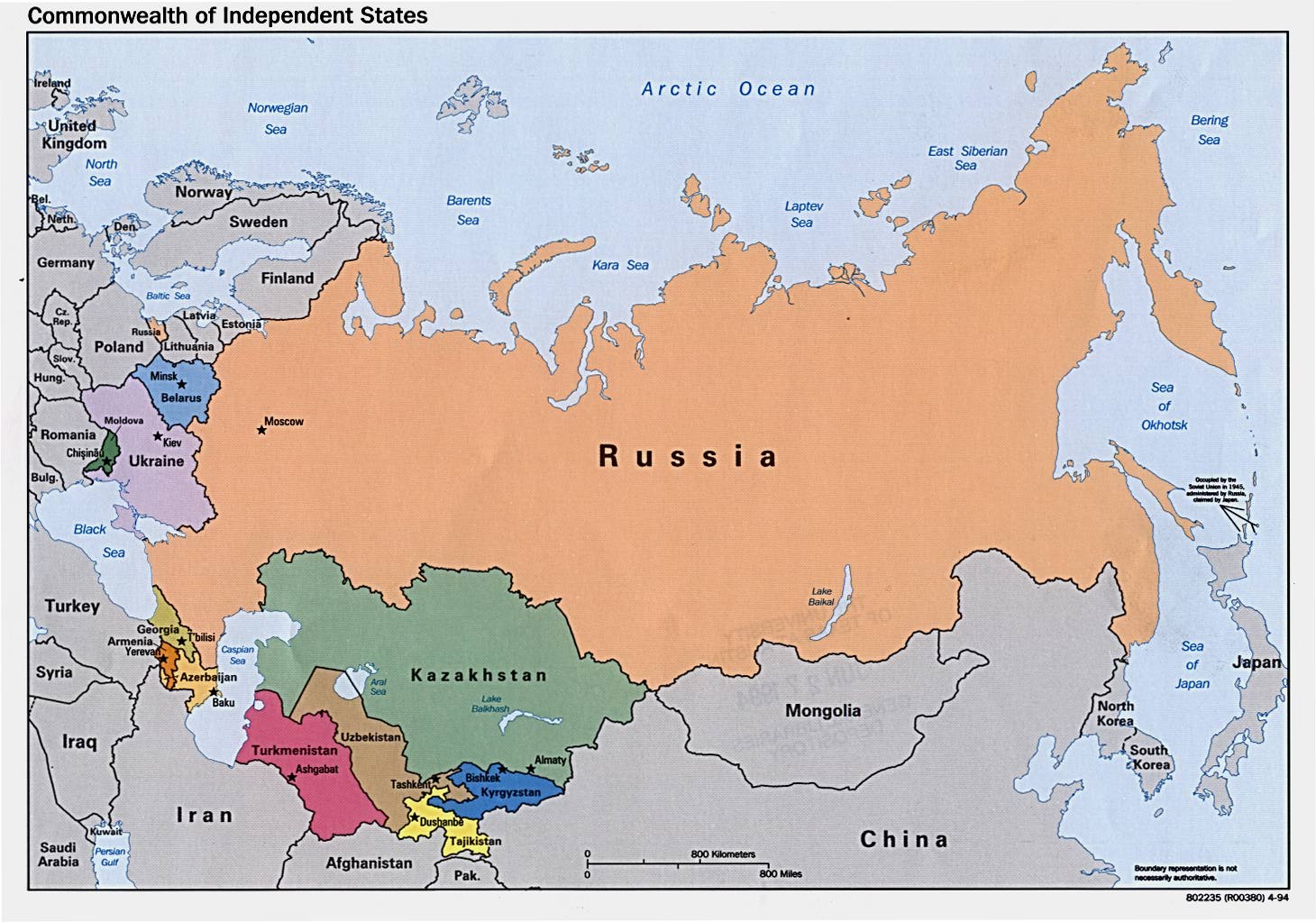
Russia’s Sakhalin region is seeking to increase the value of its trade with China through seafood processing, marine products, port infra


PCP need your support that we may provide you better services: click on donate


"Trial of Pakistani Christian Nation" By Nazir S Bhatti
On demand of our readers, I have decided to release E-Book version of "Trial of Pakistani Christian Nation" on website of PCP which can also be viewed on website of Pakistan Christian Congress www.pakistanchristiancongress.org . You can read chapter wise by clicking tab on left handside of PDF format of E-Book.