

There can’t be anything more damaging for a country than its government which thinks that only traditional policies and practices are t
Blasphemy Laws And Minorities.

By Nazir S Bhatti.
Until 1980 the penal code enforced in Pakistan was in its original form of 1860. It was the British government that established these laws in the subcontinent being British colony. Penal Code section 295 provided punishme
In 1927 amendments were made to this formulation and Section 295- A was added. According to this, punishment could be doled out to those who had the "deliberate and malicious intention of outraging" the religious sentiments of any class of citizens, by words written or spoken, or by visible signs. The importance of the requirement that
"Deliberate and malicious intention" of the accused must be proved was greatly emphasized upon, in order to avoid chilling valuable speech. Since without such an intent requirement a simple statement of any alternative religious belief could become punishable, if it had the residual effect of "outraging" an overly sensitive and too easily
offended person. These laws were designed to curb religious violence, as religious and sectarian issues were commonly used at that time to manipulate political gain. The main purpose of these laws was to protect the religious feelings of all citizens with no preference given to any religion sect or group and to develop understanding and harmony among all citizens equally.
In the present situation it is most unfortunate that these laws made to establish religious tolerance have been amended in ways, which seriously undermine that tolerance. Pakistani government, in their zeal to Islamize their laws, has turned a blind eye to the basic rights of their citizens. Their passion to Islamize the entire Pakistani society has led to serious abuses against the Religious minorities.
Under the dictatorship of Mohammed Zia -Ul- Haq, amendments were added to the Pakistan Penal Code. Section 298 -A was added in 1980. On use of derogatory remarks, respect of holy personages. Whoever by words, either spoken or written or by visible representation, or by any imputation, innuendo or insinuation, directly or indirectly. Defiles the sacred name of any wife or member of the family of prophet Mohammad, subject to three years imprisonment.
In 1982, another amendment was made and section 295-B was added in PPC, punishable with imprisonment of life. In 1986, section 295-C, was added, the most serious, controversial and presently invoked amendment was made, a capital punishment of death penalty.
In each of these amendments, 298-A, 295-B and 295-C, the necessity to establish the deliberate and malicious intention of the accused is totally avoided. The measure of guilt depends entirely upon the subjective perception and sentiment of the hearer. The intention and knowledge of the accused is not taken into account easily allowing for prosecution of imputation, innuendo, or insinuation, directly or indirectly. The terms ' derogatory remarks ' or ' defile the sacred name ' are very vogue and broad based. Blame can easily be placed, and is used as rivalry and personnel grudges against Christians. The accused is snared in the web of the Pakistani Islamic Judicial System. Its very interesting that prior to 1980 there were almost no allegations of blasphemy
There have been many arrest of Christians under section 295-B &C in Pakistan. Some have been brutally murdered in day light from hands of radical Muslims, some killed in jails and police lock ups. Its fact that accused under blasphemy is not safe and cant fairly in trials of courts.
"Deliberate and malicious intention" of the accused must be proved was greatly emphasized upon, in order to avoid chilling valuable speech. Since without such an intent requirement a simple statement of any alternative religious belief could become punishable, if it had the residual effect of "outraging" an overly sensitive and too easily
offended person. These laws were designed to curb religious violence, as religious and sectarian issues were commonly used at that time to manipulate political gain. The main purpose of these laws was to protect the religious feelings of all citizens with no preference given to any religion sect or group and to develop understanding and harmony among all citizens equally.
In the present situation it is most unfortunate that these laws made to establish religious tolerance have been amended in ways, which seriously undermine that tolerance. Pakistani government, in their zeal to Islamize their laws, has turned a blind eye to the basic rights of their citizens. Their passion to Islamize the entire Pakistani society has led to serious abuses against the Religious minorities.
Under the dictatorship of Mohammed Zia -Ul- Haq, amendments were added to the Pakistan Penal Code. Section 298 -A was added in 1980. On use of derogatory remarks, respect of holy personages. Whoever by words, either spoken or written or by visible representation, or by any imputation, innuendo or insinuation, directly or indirectly. Defiles the sacred name of any wife or member of the family of prophet Mohammad, subject to three years imprisonment.
In 1982, another amendment was made and section 295-B was added in PPC, punishable with imprisonment of life. In 1986, section 295-C, was added, the most serious, controversial and presently invoked amendment was made, a capital punishment of death penalty.
In each of these amendments, 298-A, 295-B and 295-C, the necessity to establish the deliberate and malicious intention of the accused is totally avoided. The measure of guilt depends entirely upon the subjective perception and sentiment of the hearer. The intention and knowledge of the accused is not taken into account easily allowing for prosecution of imputation, innuendo, or insinuation, directly or indirectly. The terms ' derogatory remarks ' or ' defile the sacred name ' are very vogue and broad based. Blame can easily be placed, and is used as rivalry and personnel grudges against Christians. The accused is snared in the web of the Pakistani Islamic Judicial System. Its very interesting that prior to 1980 there were almost no allegations of blasphemy
There have been many arrest of Christians under section 295-B &C in Pakistan. Some have been brutally murdered in day light from hands of radical Muslims, some killed in jails and police lock ups. Its fact that accused under blasphemy is not safe and cant fairly in trials of courts.
You May Also Like
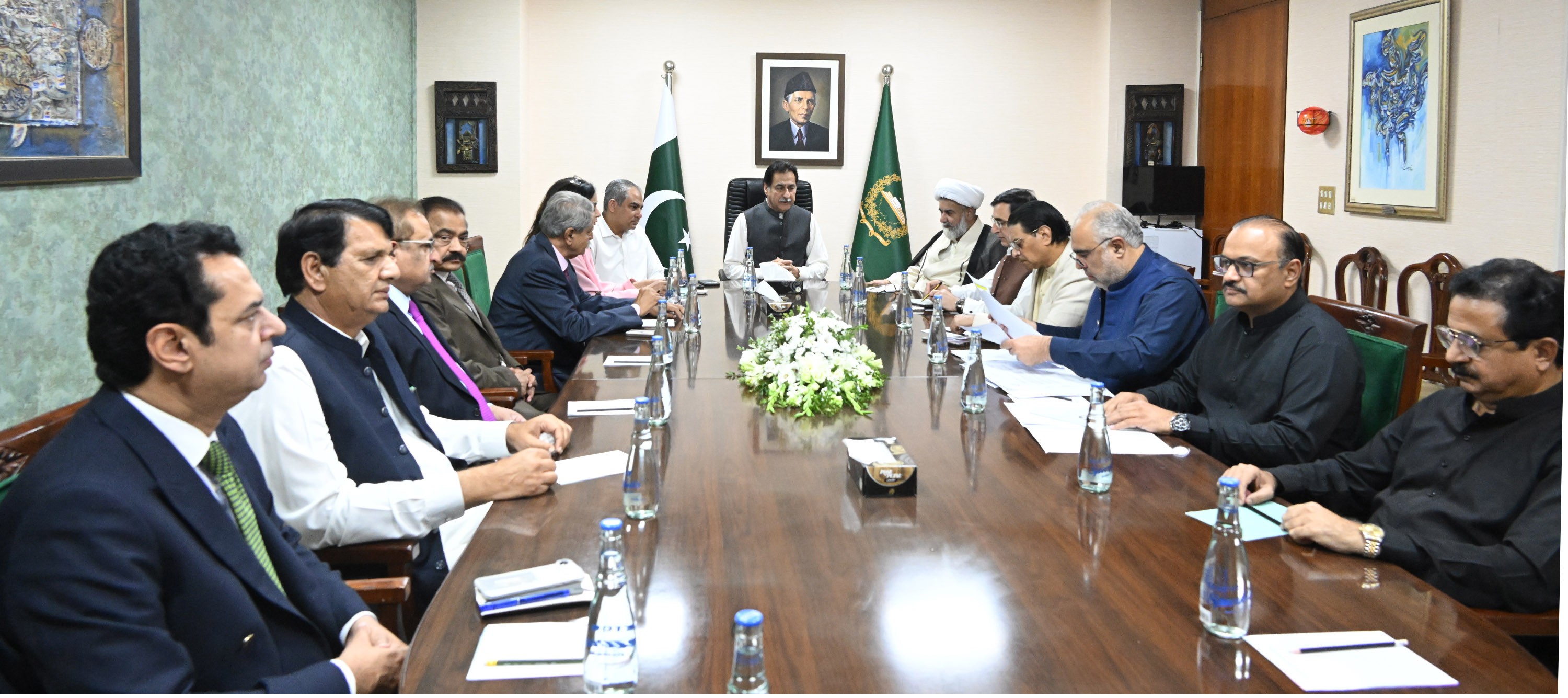
In Pakistan’s turbulent political landscape, Parliament remains the one institution where disagreement can be converted into dialogue and con

Some of the people diagnosed with TB in a couple of important community-based screening initiatives in Delhi did not come to the health facility co


PCP need your support that we may provide you better services: click on donate


"Trial of Pakistani Christian Nation" By Nazir S Bhatti
On demand of our readers, I have decided to release E-Book version of "Trial of Pakistani Christian Nation" on website of PCP which can also be viewed on website of Pakistan Christian Congress www.pakistanchristiancongress.org . You can read chapter wise by clicking tab on left handside of PDF format of E-Book.