
There can’t be anything more damaging for a country than its government which thinks that only traditional policies and practices are t
India embraces smoke-free policies on Gandhi’s birth anniversary: By Bobby Ramakant

India has boldly enforced the smoke-free policies banning smoking in public places and private areas with public access from 2 October 2008 – the birth anniversary of the father of nation Mahatma Gandhi.
The government of India and countless people who have been advocating the enforcement of public health policies need due credit. It was certainly not so easy, more so because of the financially robust, strategically shrewd tobacco industry that has mastered the art of circumventing public interest policies and promoting a product (tobacco) that kills even when used as intended by the manufacturer.
The tobacco industry, and other corporations or associations like ITC ltd, Indian Hotel Association and others, filed more than 70 court cases against the ban on smoking in public places from October 2. But the honorable Supreme Court declined to delay the enforcement of these public interest policies and upheld public health over corporate profits.
India with more than a billion people had a large number of people who smoke cigarettes or beedis (tobacco rolled in ‘tendu’ leaf). The benefit of smoke-free policies will certainly protect non-smokers from the dangerous exposure to tobacco smoke, which is called secondhand smoke.
Secondhand smoke, also know as environmental tobacco smoke (ETS), is a mixture of the smoke given off by the burning end of a cigarette, pipe or cigar and the smoke exhaled from the lungs of smokers. It is involuntarily inhaled by nonsmokers, lingers in the air hours after cigarettes have been extinguished and can cause or exacerbate a wide range of adverse health effects, including cancer, respiratory infections, and asthma. Secondhand smoke has been classified by the Environmental Protection Agency (EPA) as a known cause of cancer in humans (Group A carcinogen).
Secondhand smoke exposure causes disease and premature death in children and adults who do not smoke. Nonsmokers exposed to secondhand smoke at work are at increased risk for adverse health effects.
Not only non-smokers get the benefit of smoke-free policies, but also those who smokes are either smoking lesser cigarettes or they quit smoking, according to the studies. At least 4% of smokers are likely to quit smoking.
However enforcing the public health policies will largely bank on the meaningful participation of civil society – at every step. People need to be at the centre-stage if India is to realize enforcement of these policies. And this certainly will happen over a period of time, as awareness increases, perceptions change as people are informed and the benefits of enforcing public health policies in our own homes, offices and other places we spend our lives in, become pronounced.
October 2 is indeed a beginning for India. Let us hope that India is able to set a good precedent where civil society does join hands with governments to enforce public interest policies effectively.
(The author is a World Health Organization (WHO)’s WNTD Awardee (2008) and writes extensively on health and development. He can be contacted at: bobbyramakant@yahoo.com)
The government of India and countless people who have been advocating the enforcement of public health policies need due credit. It was certainly not so easy, more so because of the financially robust, strategically shrewd tobacco industry that has mastered the art of circumventing public interest policies and promoting a product (tobacco) that kills even when used as intended by the manufacturer.
The tobacco industry, and other corporations or associations like ITC ltd, Indian Hotel Association and others, filed more than 70 court cases against the ban on smoking in public places from October 2. But the honorable Supreme Court declined to delay the enforcement of these public interest policies and upheld public health over corporate profits.
India with more than a billion people had a large number of people who smoke cigarettes or beedis (tobacco rolled in ‘tendu’ leaf). The benefit of smoke-free policies will certainly protect non-smokers from the dangerous exposure to tobacco smoke, which is called secondhand smoke.
Secondhand smoke, also know as environmental tobacco smoke (ETS), is a mixture of the smoke given off by the burning end of a cigarette, pipe or cigar and the smoke exhaled from the lungs of smokers. It is involuntarily inhaled by nonsmokers, lingers in the air hours after cigarettes have been extinguished and can cause or exacerbate a wide range of adverse health effects, including cancer, respiratory infections, and asthma. Secondhand smoke has been classified by the Environmental Protection Agency (EPA) as a known cause of cancer in humans (Group A carcinogen).
Secondhand smoke exposure causes disease and premature death in children and adults who do not smoke. Nonsmokers exposed to secondhand smoke at work are at increased risk for adverse health effects.
Not only non-smokers get the benefit of smoke-free policies, but also those who smokes are either smoking lesser cigarettes or they quit smoking, according to the studies. At least 4% of smokers are likely to quit smoking.
However enforcing the public health policies will largely bank on the meaningful participation of civil society – at every step. People need to be at the centre-stage if India is to realize enforcement of these policies. And this certainly will happen over a period of time, as awareness increases, perceptions change as people are informed and the benefits of enforcing public health policies in our own homes, offices and other places we spend our lives in, become pronounced.
October 2 is indeed a beginning for India. Let us hope that India is able to set a good precedent where civil society does join hands with governments to enforce public interest policies effectively.
(The author is a World Health Organization (WHO)’s WNTD Awardee (2008) and writes extensively on health and development. He can be contacted at: bobbyramakant@yahoo.com)
You May Also Like
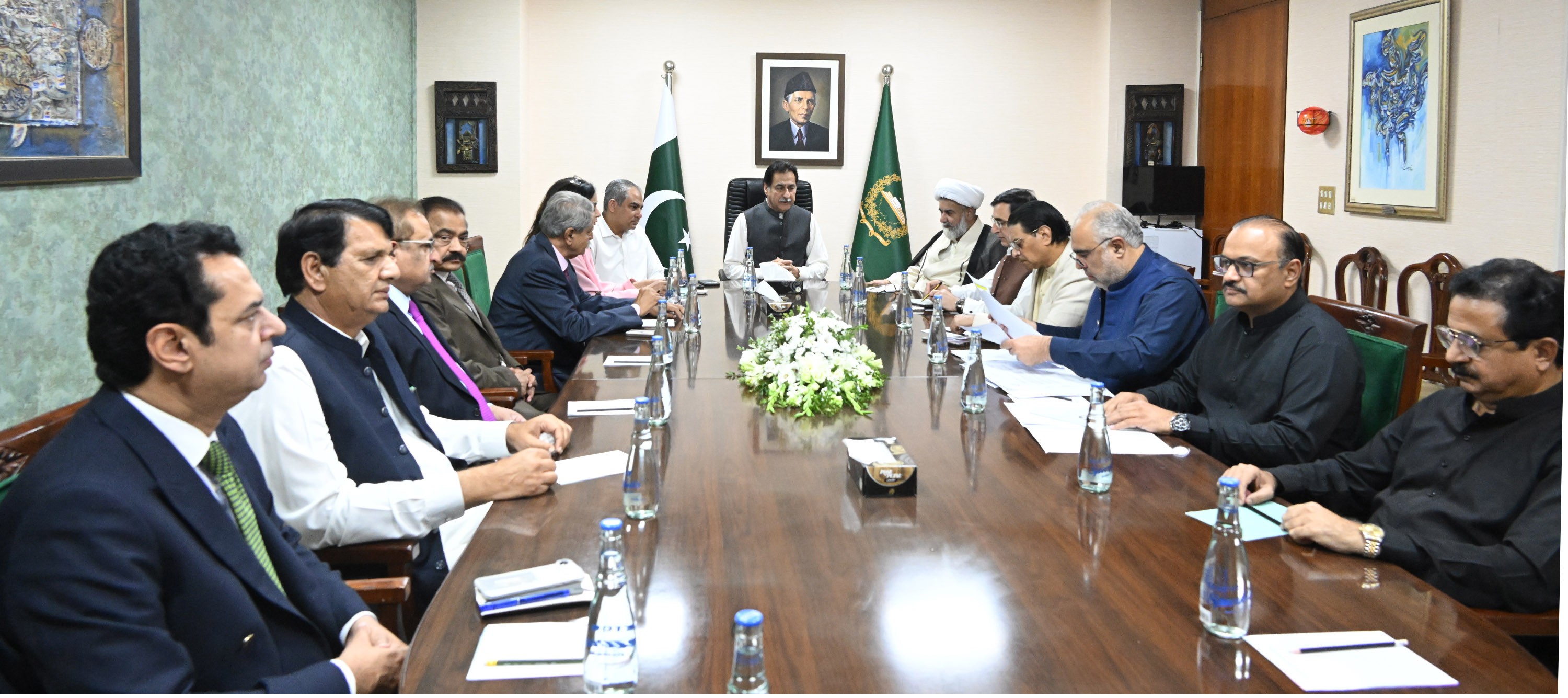
In Pakistan’s turbulent political landscape, Parliament remains the one institution where disagreement can be converted into dialogue and con
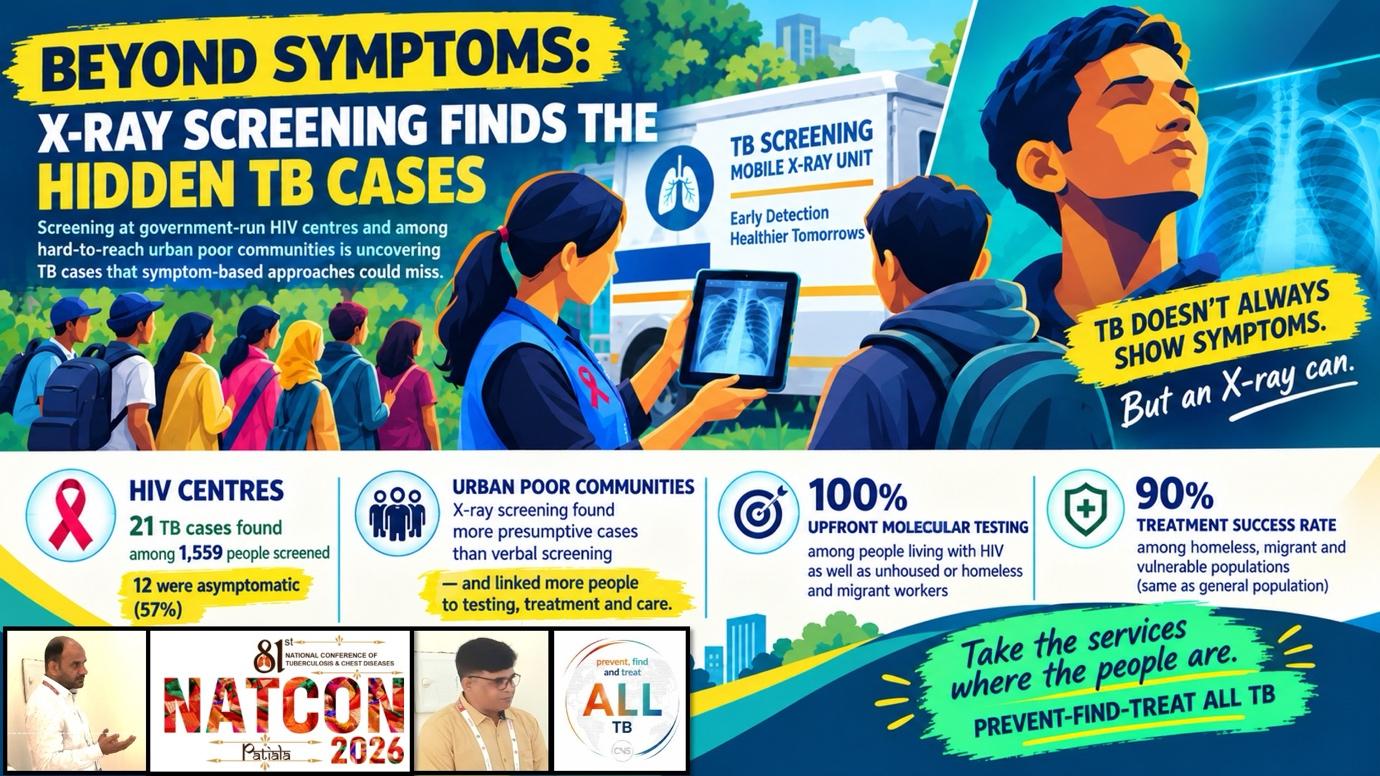
Some of the people diagnosed with TB in a couple of important community-based screening initiatives in Delhi did not come to the health facility co


PCP need your support that we may provide you better services: click on donate


"Trial of Pakistani Christian Nation" By Nazir S Bhatti
On demand of our readers, I have decided to release E-Book version of "Trial of Pakistani Christian Nation" on website of PCP which can also be viewed on website of Pakistan Christian Congress www.pakistanchristiancongress.org . You can read chapter wise by clicking tab on left handside of PDF format of E-Book.