

There can’t be anything more damaging for a country than its government which thinks that only traditional policies and practices are t
Who will “make the world a better place” now? By Steve Utterwulghe and Abou El Mahassine Fassi-Fihri

In the hours following Michael Jackson’s death, people around the globe shared common pain, resuscitated old vinyl records stored in their basements and stayed up later than usual watching 1980s VHS or Youtube videos of Thriller and Billy Jean. Michael Jackson was adored by a wide spectrum of global society across racial, religious and generational divides. And as news of the circumstances of his death frenetically emerges, tributes are being paid in Los Angeles, Seoul, Algiers, Mumbai and even Tehran, if discreetly.
Now that the media have saturated their publics with coverage of Michael Jackson’s death, one needs to reflect on and appreciate the unifying values that Michael Jackson’s music managed to generate over his forty five years in the public arena, and acknowledge the potential that music in general can have in facilitating dialogue between individuals and nations.
Music, and arts and culture in general, know no borders and have unified people for centuries. Music touches the soul and the heart in a very profound way. Michael Jackson, through his talent, has done his part in a very powerful fashion.
Michael Jackson’s lyrics and beat have had a transformative effect on their global audience, especially in America where they managed to transcend the black and white music divide. In one of his songs, Black or White, he sings that he “would rather listen to both sides of the tale”.
While he never went to North Korea, he wanted to. Who knows what this could have produced - music diplomacy can be a very effective tool despite the challenges in measuring its actual impact. In February 2008 the New York Philharmonic visited Pyongyang in a historic and splendid performance in front of a large audience of North Korean officials. The concert offered a rare opportunity for contact between the two nations. While North Korea is again upsetting the world with provocative actions, such initiatives must be multiplied as they work in parallel to the official diplomatic track.
In a similar fashion, socially-engaged artists – whether local musicians or world icons -- would be well inspired to dedicate their gift to promoting dialogue and messages of tolerance. Iranian film-makers like Majid Majidi and Dariush Mehrjui are known worldwide for their powerful and superb storytelling and their award-winning films have exposed Westerners to the diversity and finesse of the Iranian culture. Over the years exchanges between Iranian artists with their American counterparts have allowed Westerners and Iranians alike to better understand one another and have helped reduce the demonising effect built up during years of negative stereotypical narratives on both sides.
Yet more needs to be done in this realm.
For example, peace song initiatives gather respected musicians from different sides of the conflict that divides them in a collaborative and improvised process of making music to deliver a particular message of coexistence and peace. While the outcome is often impressive, what really matters is the process of bringing people together. Eventually, seeing your rival or enemy touched by the same music that touches you instinctively brings a sense of shared humanity and breaks down barriers of misunderstanding and hatred. Peace songs have been successfully written and performed everywhere, from Nepal (New Nepal) to Israel/Palestine (In My Heart) and from Angola (People Are Calling for Peace) to Macedonia (Our Neighborhood), with the immediate impact of calming the soul, helping people reflect on their common plight and to reach out to the other in an attempt to reconcile.
Music is a powerful healer.
Michael Jackson may have realised this potential more than two decades ago when he wrote his 1988 song Man in the Mirror that included the inspiring lyrics: "If you wanna make the world a better place. Take a look at yourself and then make a change".
###
* Steve Utterwulghe is vice-president for international development at Search for Common Ground, an international non-governmental organisation dedicated to conflict transformation. Abou El Mahassine Fassi-fihri is a conflict analyst at George Mason University’s Institute for Conflict Analysis and resolution. This article was written for the Common Ground News Service
Now that the media have saturated their publics with coverage of Michael Jackson’s death, one needs to reflect on and appreciate the unifying values that Michael Jackson’s music managed to generate over his forty five years in the public arena, and acknowledge the potential that music in general can have in facilitating dialogue between individuals and nations.
Music, and arts and culture in general, know no borders and have unified people for centuries. Music touches the soul and the heart in a very profound way. Michael Jackson, through his talent, has done his part in a very powerful fashion.
Michael Jackson’s lyrics and beat have had a transformative effect on their global audience, especially in America where they managed to transcend the black and white music divide. In one of his songs, Black or White, he sings that he “would rather listen to both sides of the tale”.
While he never went to North Korea, he wanted to. Who knows what this could have produced - music diplomacy can be a very effective tool despite the challenges in measuring its actual impact. In February 2008 the New York Philharmonic visited Pyongyang in a historic and splendid performance in front of a large audience of North Korean officials. The concert offered a rare opportunity for contact between the two nations. While North Korea is again upsetting the world with provocative actions, such initiatives must be multiplied as they work in parallel to the official diplomatic track.
In a similar fashion, socially-engaged artists – whether local musicians or world icons -- would be well inspired to dedicate their gift to promoting dialogue and messages of tolerance. Iranian film-makers like Majid Majidi and Dariush Mehrjui are known worldwide for their powerful and superb storytelling and their award-winning films have exposed Westerners to the diversity and finesse of the Iranian culture. Over the years exchanges between Iranian artists with their American counterparts have allowed Westerners and Iranians alike to better understand one another and have helped reduce the demonising effect built up during years of negative stereotypical narratives on both sides.
Yet more needs to be done in this realm.
For example, peace song initiatives gather respected musicians from different sides of the conflict that divides them in a collaborative and improvised process of making music to deliver a particular message of coexistence and peace. While the outcome is often impressive, what really matters is the process of bringing people together. Eventually, seeing your rival or enemy touched by the same music that touches you instinctively brings a sense of shared humanity and breaks down barriers of misunderstanding and hatred. Peace songs have been successfully written and performed everywhere, from Nepal (New Nepal) to Israel/Palestine (In My Heart) and from Angola (People Are Calling for Peace) to Macedonia (Our Neighborhood), with the immediate impact of calming the soul, helping people reflect on their common plight and to reach out to the other in an attempt to reconcile.
Music is a powerful healer.
Michael Jackson may have realised this potential more than two decades ago when he wrote his 1988 song Man in the Mirror that included the inspiring lyrics: "If you wanna make the world a better place. Take a look at yourself and then make a change".
###
* Steve Utterwulghe is vice-president for international development at Search for Common Ground, an international non-governmental organisation dedicated to conflict transformation. Abou El Mahassine Fassi-fihri is a conflict analyst at George Mason University’s Institute for Conflict Analysis and resolution. This article was written for the Common Ground News Service
You May Also Like
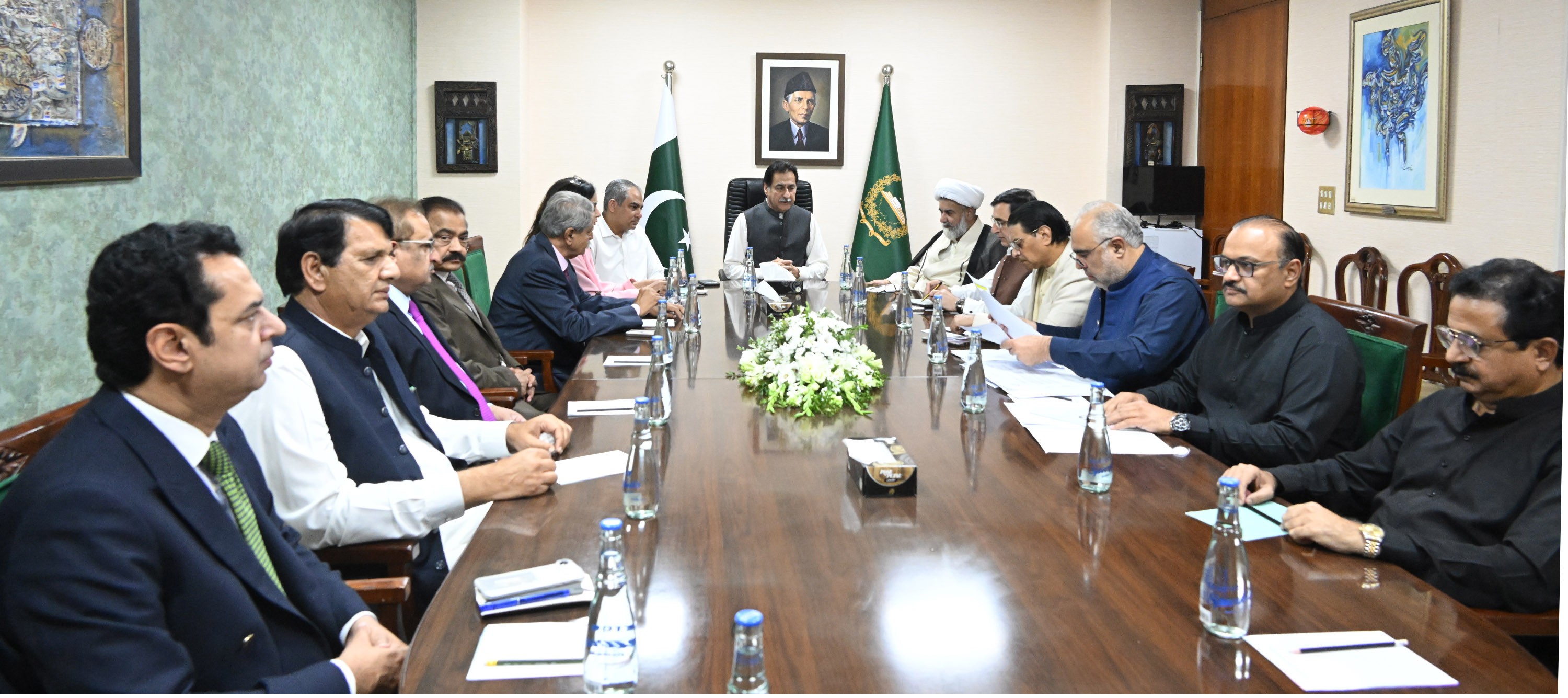
In Pakistan’s turbulent political landscape, Parliament remains the one institution where disagreement can be converted into dialogue and con
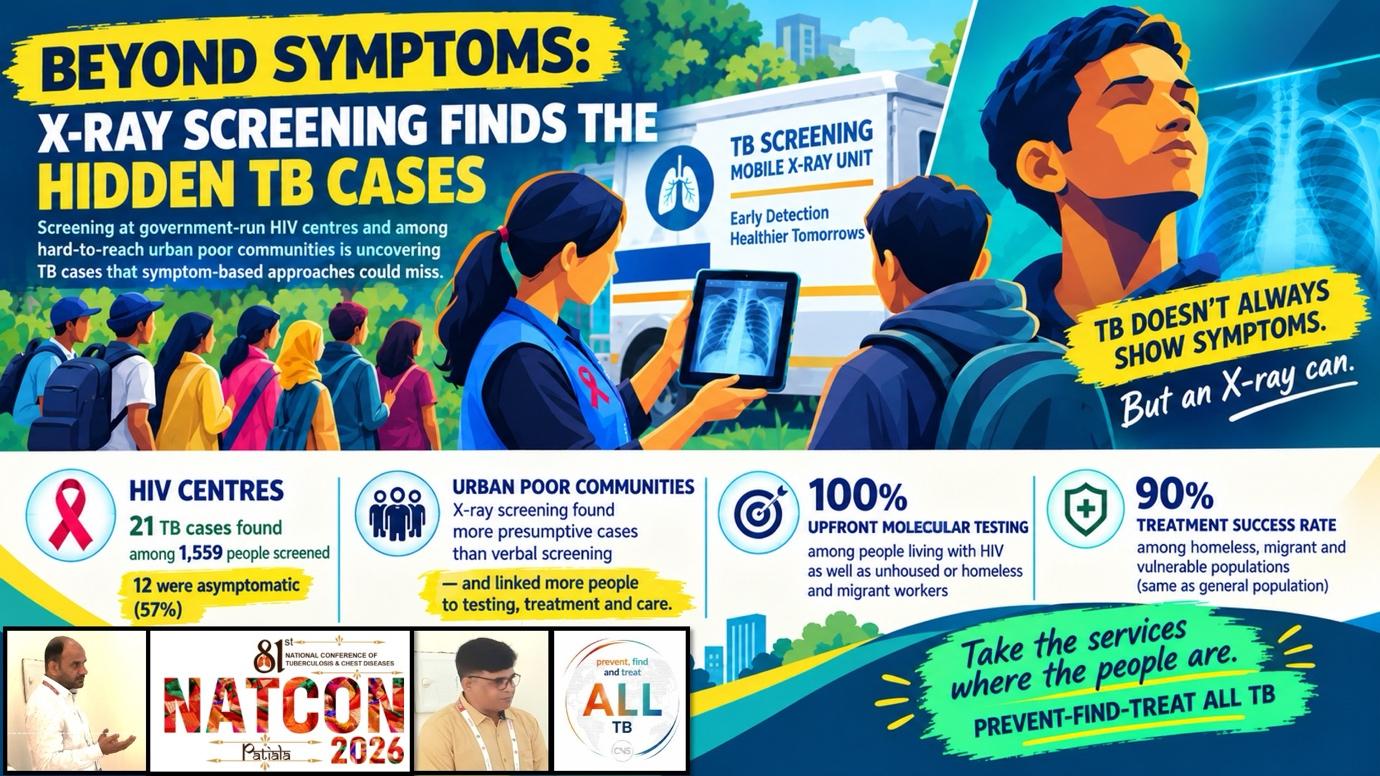
Some of the people diagnosed with TB in a couple of important community-based screening initiatives in Delhi did not come to the health facility co


PCP need your support that we may provide you better services: click on donate


"Trial of Pakistani Christian Nation" By Nazir S Bhatti
On demand of our readers, I have decided to release E-Book version of "Trial of Pakistani Christian Nation" on website of PCP which can also be viewed on website of Pakistan Christian Congress www.pakistanchristiancongress.org . You can read chapter wise by clicking tab on left handside of PDF format of E-Book.