

There can’t be anything more damaging for a country than its government which thinks that only traditional policies and practices are t
Madrasa enhancement in Pakistan. By Heather DuBois

While in Sarajevo to receive the Tanenbaum Center for Interreligious Understanding's 2006 Peacemaker in Action award at a religious peace makers' conference, Azhar Hussain stayed up late every night talking to local taxi drivers. In addition to an appreciation for good stories, he conversed with them believing that the best way to understand culture, religion and tradition is to talk to – and learn from – people on the ground. This simple act embodies Hussain's approach to conflict resolution: that dialogue and shared experiences are integral to building trust and understanding, especially at the grassroots level.
Hussain is vice president for Preventive Diplomacy at the International Center for Religion & Diplomacy (ICRD) and head of its Pakistan Madrasa Project. The programme, now in its fifth year, has trained over 2,200 administrators and teachers from more than 1,400 madrasas (Islamic religious schools) throughout Pakistan. A recently published monograph, Madrasa Enhancement and Global Security: A Model for Faith-Based Engagement, outlines this programme's implementation in Pakistan, which is fast becoming a promising model worthy of further study and replication for all schools.
Instead of heeding calls to marginalise madrasas, ICRD has sought to identify, accentuate and enhance the positive roles they can play in peace-building and conflict resolution. The programme's participatory training workshops have tapped into existing support and resources for human rights, religious tolerance, critical thinking, conflict resolution and the inclusion of social and scientific disciplines into curricula.
All the prevalent Islamic schools of thought within Pakistan are represented in these workshops that encourage participation by providing a space for diverse voices. This has become the norm despite existing sectarian divisions. Educators now have opportunities to discuss curricula, as well as Islamic philosophy, with religious leaders of other sects. The intra-faith aspect of this model is an additional, remarkable achievement.
The graduates of ICRD's Training of Trainers programmes have already conducted over 100 one-day workshops in Pakistan's four provinces for other educators. Some have gone on to initiate their own training programmes on peace education and religious tolerance. One of ICRD's indigenous partners also initiated a series of interfaith seminars to facilitate cooperation between Pakistani Muslim and Christian leaders in reducing religious extremism and discrimination.
At one such workshop involving leaders from 16 madrasas surrounding the Swat Valley, one participant – involved with a well-known militant group – stood up toward the end and declared that he had attended the workshop only to discredit everything it was teaching. But as a result of his participation, he felt that for the first time in his life he understood the true, peaceful intent of the Qur'an. He stated: "After this experience, I want to help my students appreciate the different religious groups of people who live in our community and our country. My kids need to know that only by being peaceful can they spread true Islam."
Another participant used Islamic principles of forgiveness – coupled with conflict resolution skills he had learned in the workshop – to prevent the tribal elders in his village from executing a girl after she was deemed to have violated tribal codes by contacting a boy in a neighbouring village.
Still another indigenous partner working with ICRD played an instrumental role in securing the release of the 21 Korean Christians taken hostage by the Taliban in Afghanistan in July 2007. Notably, the captors were engaged through appeals to Islamic principles.
ICRD is now operating on many levels to scale up the Pakistan Madrasa Project, extending it to girls' schools and universities, bringing key administrators and instructors together, facilitating US study visits and developing certificate programmes.
At the core of the growth and success of the Pakistan Madrasa Project is the belief that local actors, including religious ones, can play a crucial role in peacemaking – but only if they are engaged. Transformation from an adversarial approach to a constructive, humane one cannot be dictated, but it can be inspired. And, as with the taxi drivers of Sarajevo, Hussain has shown us that this often begins with simple conversations.
###
* Heather DuBois is assistant director of the Religion and Conflict Resolution programme at the Tanenbaum Center for Interreligious Understanding in New York City. Madrasa Enhancement and Global Security: A Model for Faith-based Engagement is available for online purchase (www.icrd.org). This article was written for the Common Ground News Service (CGNews
Hussain is vice president for Preventive Diplomacy at the International Center for Religion & Diplomacy (ICRD) and head of its Pakistan Madrasa Project. The programme, now in its fifth year, has trained over 2,200 administrators and teachers from more than 1,400 madrasas (Islamic religious schools) throughout Pakistan. A recently published monograph, Madrasa Enhancement and Global Security: A Model for Faith-Based Engagement, outlines this programme's implementation in Pakistan, which is fast becoming a promising model worthy of further study and replication for all schools.
Instead of heeding calls to marginalise madrasas, ICRD has sought to identify, accentuate and enhance the positive roles they can play in peace-building and conflict resolution. The programme's participatory training workshops have tapped into existing support and resources for human rights, religious tolerance, critical thinking, conflict resolution and the inclusion of social and scientific disciplines into curricula.
All the prevalent Islamic schools of thought within Pakistan are represented in these workshops that encourage participation by providing a space for diverse voices. This has become the norm despite existing sectarian divisions. Educators now have opportunities to discuss curricula, as well as Islamic philosophy, with religious leaders of other sects. The intra-faith aspect of this model is an additional, remarkable achievement.
The graduates of ICRD's Training of Trainers programmes have already conducted over 100 one-day workshops in Pakistan's four provinces for other educators. Some have gone on to initiate their own training programmes on peace education and religious tolerance. One of ICRD's indigenous partners also initiated a series of interfaith seminars to facilitate cooperation between Pakistani Muslim and Christian leaders in reducing religious extremism and discrimination.
At one such workshop involving leaders from 16 madrasas surrounding the Swat Valley, one participant – involved with a well-known militant group – stood up toward the end and declared that he had attended the workshop only to discredit everything it was teaching. But as a result of his participation, he felt that for the first time in his life he understood the true, peaceful intent of the Qur'an. He stated: "After this experience, I want to help my students appreciate the different religious groups of people who live in our community and our country. My kids need to know that only by being peaceful can they spread true Islam."
Another participant used Islamic principles of forgiveness – coupled with conflict resolution skills he had learned in the workshop – to prevent the tribal elders in his village from executing a girl after she was deemed to have violated tribal codes by contacting a boy in a neighbouring village.
Still another indigenous partner working with ICRD played an instrumental role in securing the release of the 21 Korean Christians taken hostage by the Taliban in Afghanistan in July 2007. Notably, the captors were engaged through appeals to Islamic principles.
ICRD is now operating on many levels to scale up the Pakistan Madrasa Project, extending it to girls' schools and universities, bringing key administrators and instructors together, facilitating US study visits and developing certificate programmes.
At the core of the growth and success of the Pakistan Madrasa Project is the belief that local actors, including religious ones, can play a crucial role in peacemaking – but only if they are engaged. Transformation from an adversarial approach to a constructive, humane one cannot be dictated, but it can be inspired. And, as with the taxi drivers of Sarajevo, Hussain has shown us that this often begins with simple conversations.
###
* Heather DuBois is assistant director of the Religion and Conflict Resolution programme at the Tanenbaum Center for Interreligious Understanding in New York City. Madrasa Enhancement and Global Security: A Model for Faith-based Engagement is available for online purchase (www.icrd.org). This article was written for the Common Ground News Service (CGNews
You May Also Like
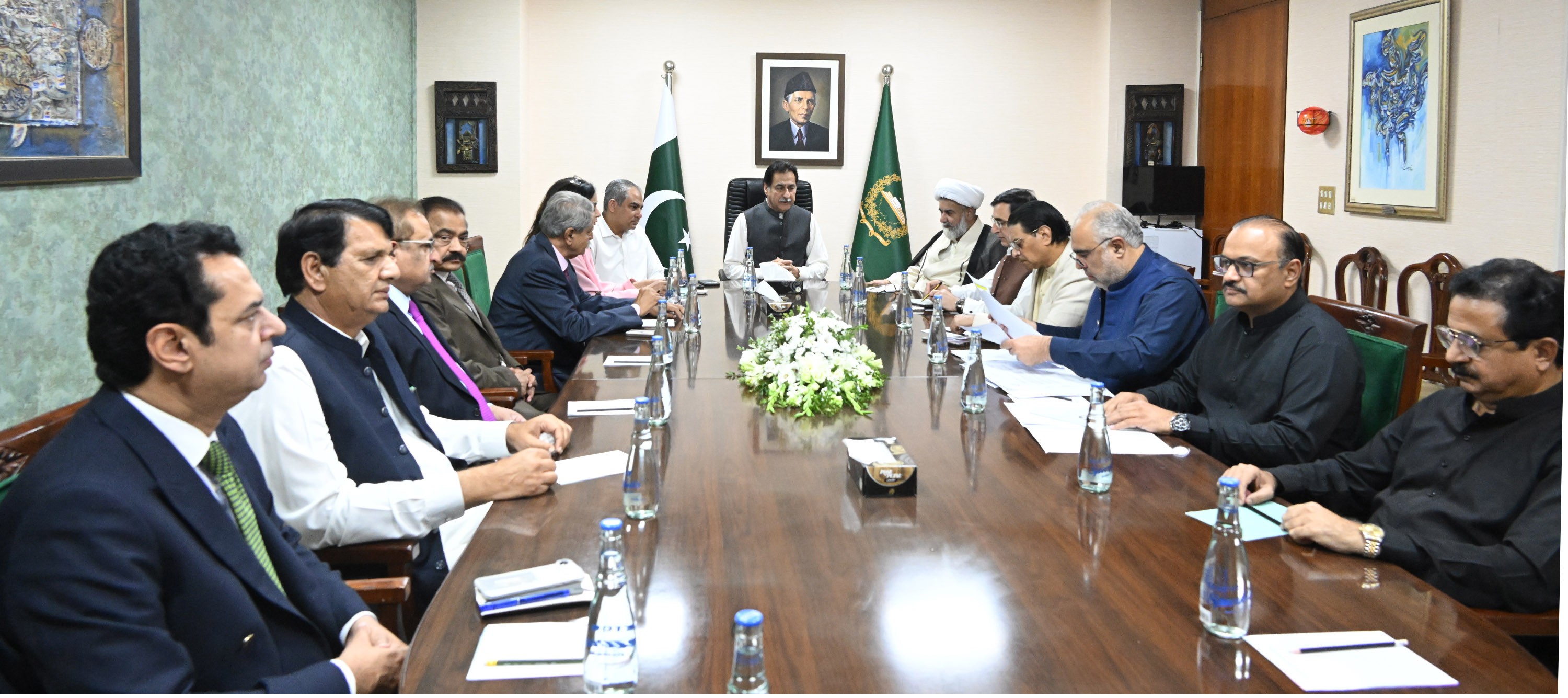
In Pakistan’s turbulent political landscape, Parliament remains the one institution where disagreement can be converted into dialogue and con
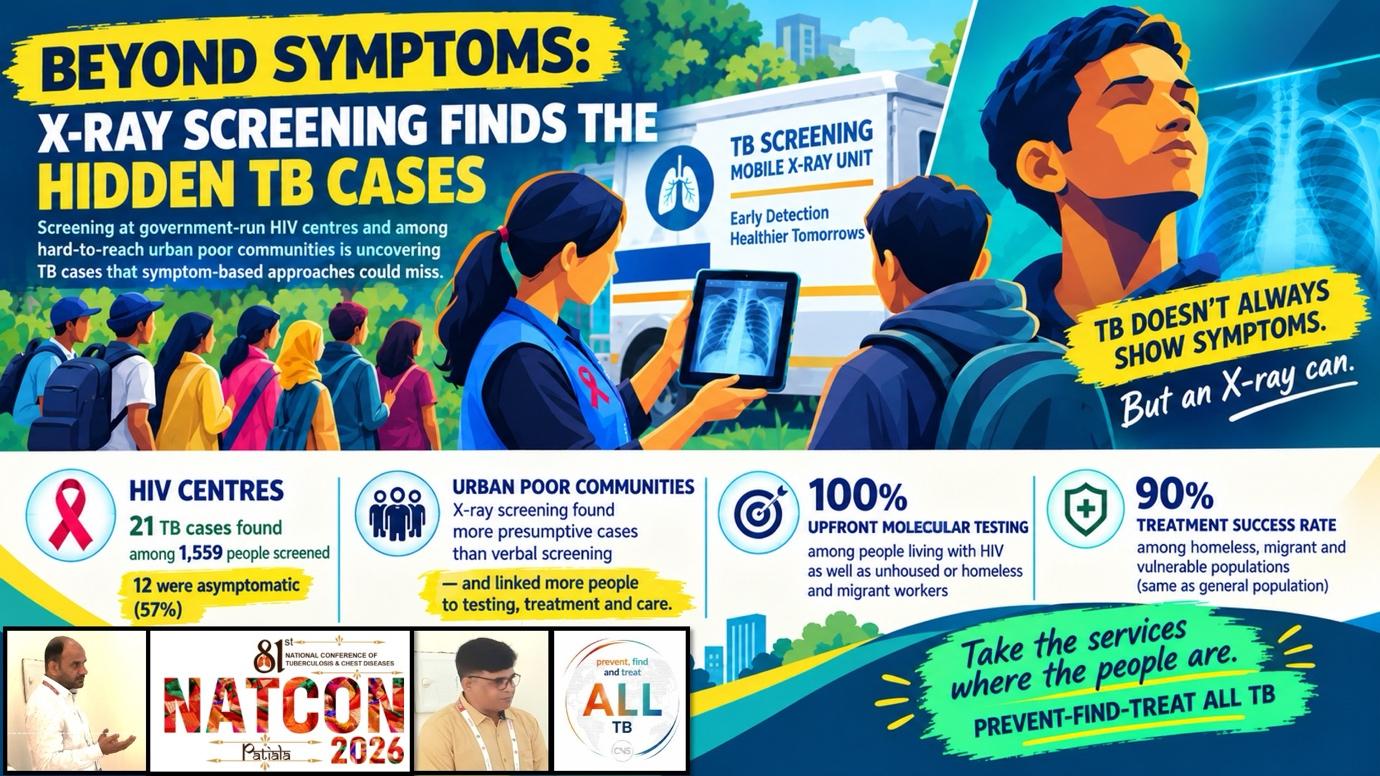
Some of the people diagnosed with TB in a couple of important community-based screening initiatives in Delhi did not come to the health facility co


PCP need your support that we may provide you better services: click on donate


"Trial of Pakistani Christian Nation" By Nazir S Bhatti
On demand of our readers, I have decided to release E-Book version of "Trial of Pakistani Christian Nation" on website of PCP which can also be viewed on website of Pakistan Christian Congress www.pakistanchristiancongress.org . You can read chapter wise by clicking tab on left handside of PDF format of E-Book.