

There can’t be anything more damaging for a country than its government which thinks that only traditional policies and practices are t
Civil society raises alarm on 'politicisation of bureaucracy'. By Alka Pande

In the recently concluded general elections for the 15th Parliament in India, there was a growing movement in the citizens to become proactive towards cleansing of politics in the country. The social activists not only launched campaigns to educate people about their right to vote in a democracy, they made the public aware about the background of the candidates. Besides, the activists motivated the public to use their franchise judiciously.
The elections are over now and the government too is in place – however discussions are carrying on, on politics, criminalisation of politics, nexus of mafia and politicians, democracy and governance.
Criticism of politicians and political parties having a nexus with criminals is common in India, but today it was another issue that took centrestage in a discussion amongst a group of intellectuals - the issue of politicisation of bureaucracy in India, in general and in the state of Uttar Pradesh, in particular.
"From time immemorial fingers are being raised on politicians, now the time has come that the civil societies start speaking about bureaucracy as well", the point was raised by political thinker and social activist Dr Ramesh Dixit, who is also a senior professor in the department of Political Science, Lucknow University. He cited a few examples of bureaucrats in Uttar Pradesh to stress on his point as to how transparency reaches a full stop at the level of bureaucracy. "At the Chief Minister’s office in Uttar Pradesh, which is also known as pancham tal (fifth floor) democracy gets killed a slow death", Dixit emphasised.
"It is because they are not answerable to anyone. If one bureaucrat does something wrong he is transferred to some other post – the other one takes over – he does more or less the same and the corruption goes on and grows on. But the politicians – even if they are corrupt, at least they are answerable to their people as they have to go to the public asking for votes, every five years and sometimes earlier", he said. His view was that instead of criticising the politicians alone, the civil societies should also work in coordination with them to confront the bureaucracy and thereby help improve governance.
The speakers concluded that since information and awareness are the strongest tools to strengthen democracy, agencies and organisations are making efforts to gather statistics about area, political candidate, candidates’ profiles etc during the elections so that the voter knows whom he is going to vote for. They felt that in the same way Right To Information (RTI) Act, 2005, has empowered the public, same way information relating to politicians too will help the public become powerful and then take active part in democracy and governance.
A prefix is dangerous for democracy
It was the neighbouring state Pakistan which started the trend of democracy with a prefix, in 1995 when it introduced Basic Democracy during its military rule. The trend was followed by Nepal, which introduced Panchayat democracy, Indonesia, which gave a term Guided Democracy and Philippines, where a new kind of democracy emerged – New Democracy. India too was not far behind where Jai Prakash Narain launched a movement for Party-free Democracy. "Every time a prefix is attached to democracy, the word loses its very essence and gives a new meaning and new dimension to the word", said Dr Ramesh Dixit. His views were - "If a common man can express his feelings without any fear and cast his vote without any scare – the situation can be termed as democracy and governance."
(The author is a senior journalist and a fellow of Citizen News Service (CNS) Writers’ Bureau)
The elections are over now and the government too is in place – however discussions are carrying on, on politics, criminalisation of politics, nexus of mafia and politicians, democracy and governance.
Criticism of politicians and political parties having a nexus with criminals is common in India, but today it was another issue that took centrestage in a discussion amongst a group of intellectuals - the issue of politicisation of bureaucracy in India, in general and in the state of Uttar Pradesh, in particular.
"From time immemorial fingers are being raised on politicians, now the time has come that the civil societies start speaking about bureaucracy as well", the point was raised by political thinker and social activist Dr Ramesh Dixit, who is also a senior professor in the department of Political Science, Lucknow University. He cited a few examples of bureaucrats in Uttar Pradesh to stress on his point as to how transparency reaches a full stop at the level of bureaucracy. "At the Chief Minister’s office in Uttar Pradesh, which is also known as pancham tal (fifth floor) democracy gets killed a slow death", Dixit emphasised.
"It is because they are not answerable to anyone. If one bureaucrat does something wrong he is transferred to some other post – the other one takes over – he does more or less the same and the corruption goes on and grows on. But the politicians – even if they are corrupt, at least they are answerable to their people as they have to go to the public asking for votes, every five years and sometimes earlier", he said. His view was that instead of criticising the politicians alone, the civil societies should also work in coordination with them to confront the bureaucracy and thereby help improve governance.
The speakers concluded that since information and awareness are the strongest tools to strengthen democracy, agencies and organisations are making efforts to gather statistics about area, political candidate, candidates’ profiles etc during the elections so that the voter knows whom he is going to vote for. They felt that in the same way Right To Information (RTI) Act, 2005, has empowered the public, same way information relating to politicians too will help the public become powerful and then take active part in democracy and governance.
A prefix is dangerous for democracy
It was the neighbouring state Pakistan which started the trend of democracy with a prefix, in 1995 when it introduced Basic Democracy during its military rule. The trend was followed by Nepal, which introduced Panchayat democracy, Indonesia, which gave a term Guided Democracy and Philippines, where a new kind of democracy emerged – New Democracy. India too was not far behind where Jai Prakash Narain launched a movement for Party-free Democracy. "Every time a prefix is attached to democracy, the word loses its very essence and gives a new meaning and new dimension to the word", said Dr Ramesh Dixit. His views were - "If a common man can express his feelings without any fear and cast his vote without any scare – the situation can be termed as democracy and governance."
(The author is a senior journalist and a fellow of Citizen News Service (CNS) Writers’ Bureau)
You May Also Like
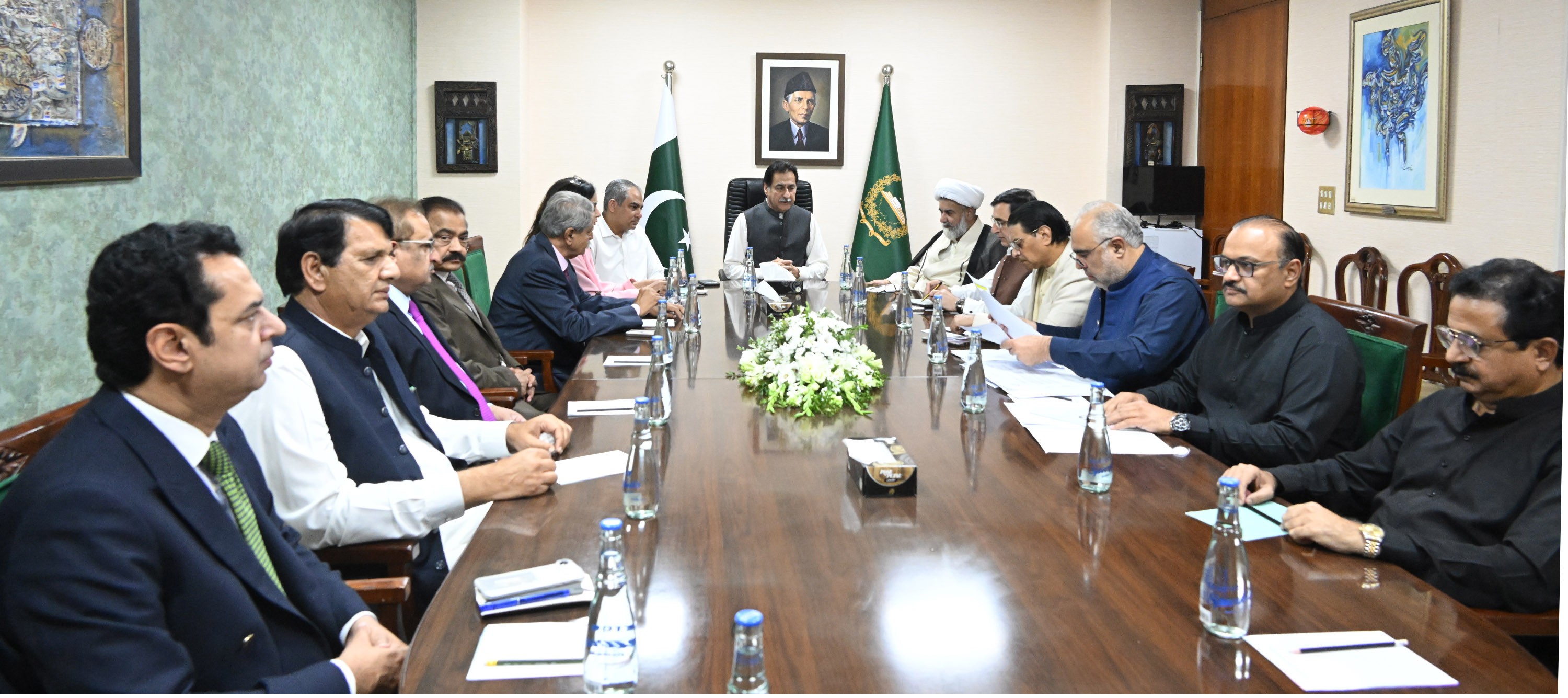
In Pakistan’s turbulent political landscape, Parliament remains the one institution where disagreement can be converted into dialogue and con
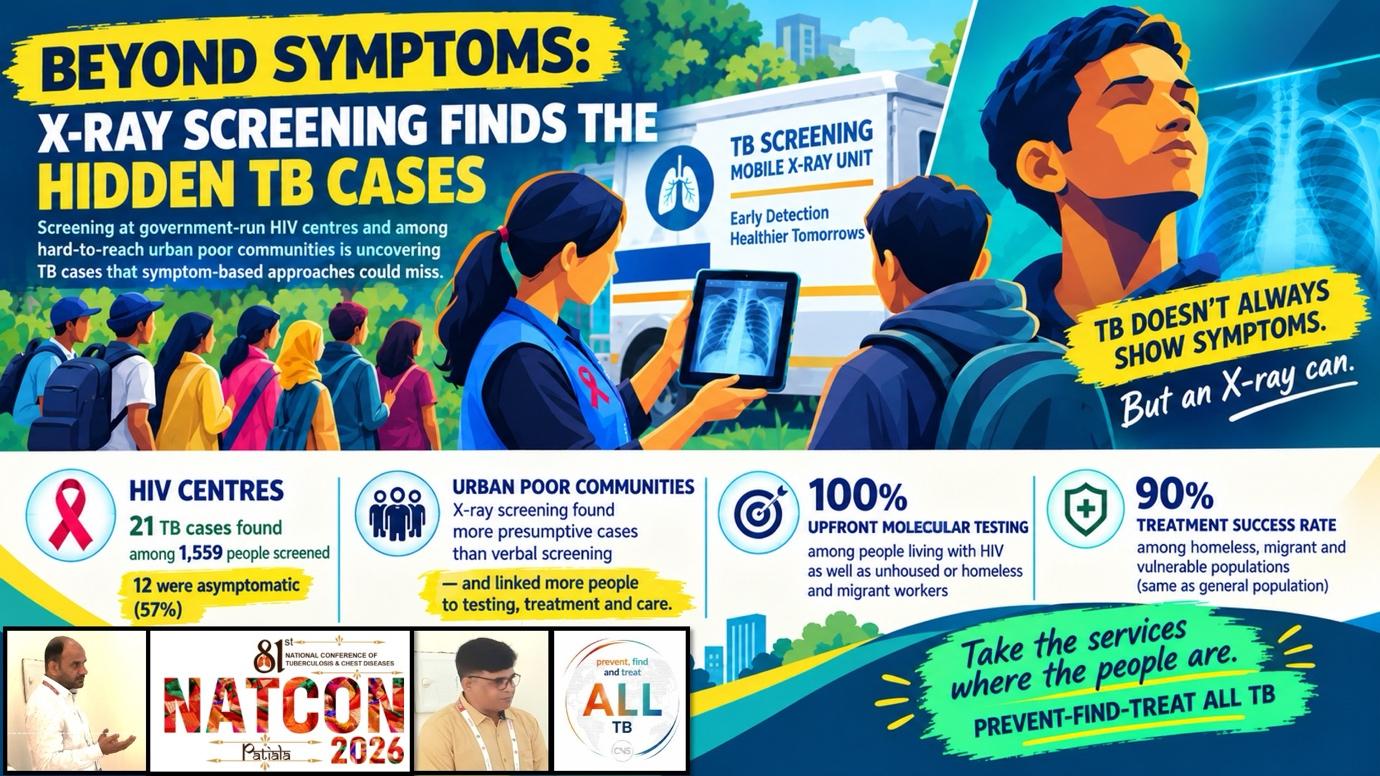
Some of the people diagnosed with TB in a couple of important community-based screening initiatives in Delhi did not come to the health facility co


PCP need your support that we may provide you better services: click on donate


"Trial of Pakistani Christian Nation" By Nazir S Bhatti
On demand of our readers, I have decided to release E-Book version of "Trial of Pakistani Christian Nation" on website of PCP which can also be viewed on website of Pakistan Christian Congress www.pakistanchristiancongress.org . You can read chapter wise by clicking tab on left handside of PDF format of E-Book.