
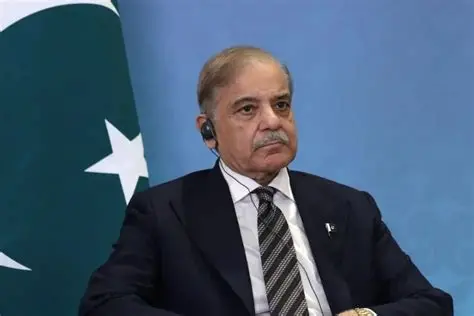
Islamabad: (PPF) Nine press freedom and human rights organisations wrote to Prime Minister Shehbaz Sharif, urging immediate action to address the r
Kashmir: The Unfinished Business of Decolonization. By Dr. Ghulam Nabi Fai
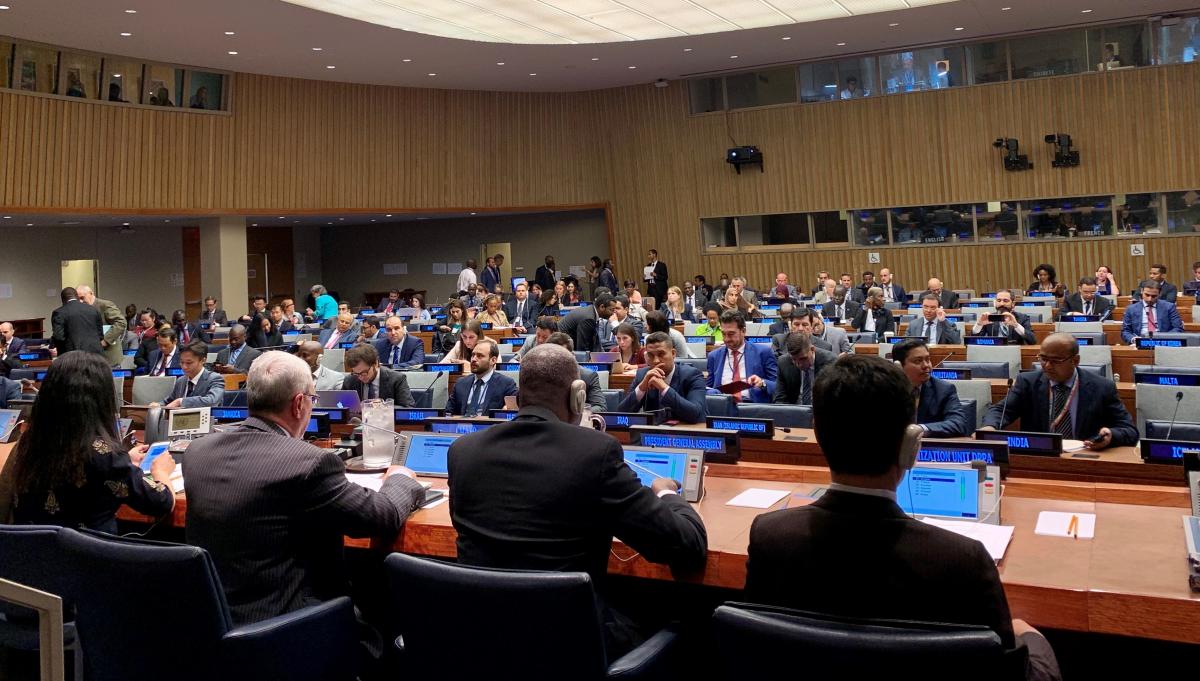
New York: As the United Nations Special Committee on Decolonization (C-24) convenes its 2026 session at UN Headquarters in New York, which began on June 15, 2026, chaired by Ambassador Menissa Rambally of Saint Lucia, the international community has an opportunity to revisit one of the longest unresolved questions on the UN agenda: Kashmir. The Committee's mandate is rooted in the principle of self-determination, a principle that remains central to the aspirations of the people of Jammu and Kashmir.
The right of self-determination is not a political slogan; it is a foundational principle of the United Nations Charter. Article 1(2) commits the Organization to promoting friendly relations among nations based on respect for the equal rights and self-determination of peoples. This principle guided the liberation of dozens of nations from colonial rule and became one of the defining achievements of the post-war international order.
The Kashmir dispute occupies a unique place in the history of self-determination. Unlike many territorial disputes, the right of the people of Jammu and Kashmir to determine their future was explicitly recognized by the United Nations Security Council. Following the conflict of 1947-48, both India and Pakistan accepted UN resolutions calling for the future status of Kashmir to be determined through a free and impartial plebiscite conducted under international auspices. These resolutions were not unilateral declarations, but the result of negotiations endorsed by the Security Council and accepted by both parties. More than seven decades later, however, that commitment remains unfulfilled.
The International Court of Justice set out four factors of a people to seek the right to self-determination: 1). A definable territory; 2). A history of independence or self-rule; 3). A distinct culture; 4). A will and capacity to regain self-governance. Kashmir met all the required standards.
Advocates of the Kashmiri cause argue that Kashmir meets every recognized criterion associated with self-determination. It possesses a clearly identifiable territory (87,000 square miles), a long history of self-governance pre-dating the colonial period, a distinct cultural identity embodied in Kashmiriyat, and a sustained political consciousness that has repeatedly expressed the desire to determine its own future. The people of Kashmir resisted the British and maintained autonomy throughout British rule. In 1931 the Kashmiri people and their leadership formed the “Quit Kashmir” movement against the British and the British-supported maharajah. And the "Quit Kashmir" campaign against the maharajah continued into 1946. These characteristics are consistent with the principles that have guided decolonization efforts across the globe.
The persistence of the dispute has come at a considerable human and political cost. Generations of Kashmiris have lived amid uncertainty, while India and Pakistan have fought wars, endured recurring crises, and devoted enormous resources to managing a conflict that remains unresolved. The dispute has become not only a question of justice for Kashmiris but also a continuing challenge to regional stability.
The events of April 2025 offered a sobering reminder of the dangers inherent in allowing the conflict to fester. Escalating tensions between India and Pakistan once again demonstrated how rapidly Kashmir can become a flashpoint between two nuclear-armed states. The crisis underscored an uncomfortable reality: Kashmir is not merely a historical dispute. It remains a contemporary threat to international peace and security.
The timely intervention of President Donald J. Trump in May 2025 played a critical role in brokering a ceasefire between India and Pakistan. Without this diplomatic effort, the ongoing tensions in Kashmir had the potential to escalate into a nuclear catastrophe. The situation required decisive action to prevent conflict, highlighting the importance of international mediation in maintaining peace and stability in the region.
Critics often contend that the passage of time has rendered the UN framework obsolete. Yet international law does not recognize the expiration of fundamental rights simply because they have remained unimplemented. The principle of self-determination did not lose its relevance in Namibia, East Timor, or South Sudan because decades passed before a solution emerged. Nor should time diminish the rights of the people of Kashmir.
The international community's reluctance to address Kashmir more actively is understandable in light of geopolitical realities. India is a major economic and strategic power, and many nations are hesitant to risk broader relationships by pressing for renewed engagement on the issue. Yet peace built upon silence is rarely durable. History teaches that unresolved conflicts eventually demand attention, often at a much greater cost.
As Ambassador Menissa Rambally opens the 2026 session of the Decolonization Committee, the United Nations should reflect upon the unfinished promises of its own Charter. The question is not whether Kashmir deserves attention because it is old; rather, it deserves attention because the principles at stake remain as relevant today as they were in 1948.
A lasting peace in South Asia will require more than crisis management. It will require a genuine political process that respects international commitments and acknowledges the wishes of the people most directly affected. Any solution that excludes the people of Kashmir is unlikely to endure. The principle that guided the decolonization of much of the world should not stop at the Himalayas.
The unfinished story of Kashmir is ultimately a test of whether the international community still believes that justice, peace, and self-determination are universal principles—or merely selective aspirations.
(Dr. Fai is also Secretary General. World Kashmir Awareness Forum. He can be reached at: WhatsApp: 1-202-607-6435 nfai2003@yahoo.com)
You May Also Like
Islamabad: (PPF) A judicial magistrate in Islamabad granted the National Cyber Crime Investigation Agency (NCCIA) three-day physical remand of jour
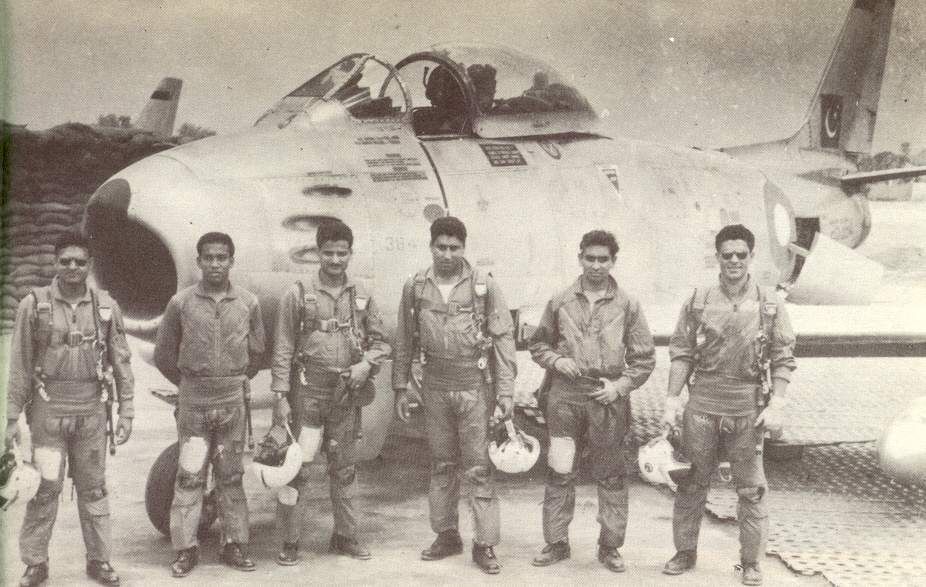
There are victories that end when the guns fall silent, and others that continue to shape a nation’s conscience long after the battlefield ha


PCP need your support that we may provide you better services: click on donate


"Trial of Pakistani Christian Nation" By Nazir S Bhatti
On demand of our readers, I have decided to release E-Book version of "Trial of Pakistani Christian Nation" on website of PCP which can also be viewed on website of Pakistan Christian Congress www.pakistanchristiancongress.org . You can read chapter wise by clicking tab on left handside of PDF format of E-Book.