
Article 16 of the Universal Declaration of Human Rights (UDHR) recognizes the right of adults to marry and establish a family, affirms equal rights
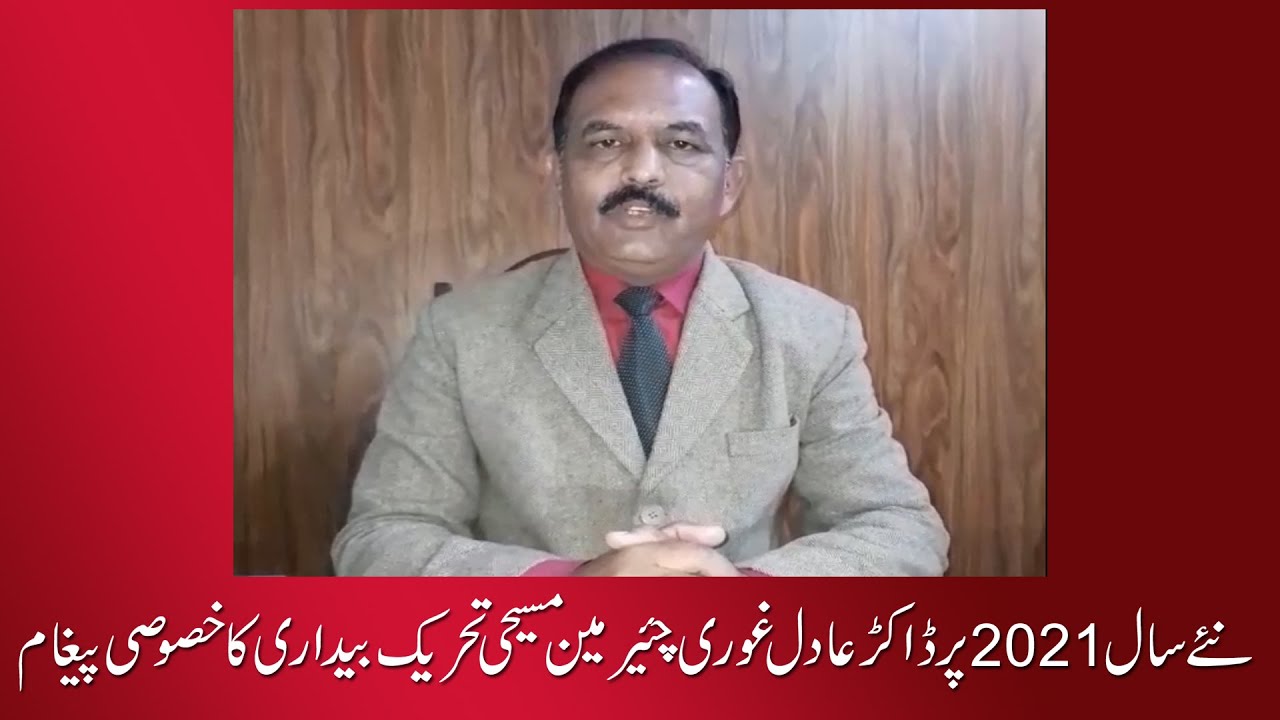
Mother Earth’s Stepsons. By y Dr. Emanuel Adil Ghouri
Since childhood, we have heard it said that the state is like a mother—a mother who loves all her children equally, provides them with the same opportunities for progress and prosperity, and safeguards their lives and property. Is such a mother a dream, or a reality? Why, then, do I not see this in my own motherland, Pakistan? Here, people are discriminated against based on race, ethnicity, religion, and creed. Here, the powerful usurp the rights of the weak. Here, religion becomes the basis for categorizing individuals into first-class and second-class citizens. Here, the majority dominates the state’s economic resources, pushing the minority into a deep abyss of economic deprivation.
Are we the stepchildren of this Motherland? Have we played no role in its formation and stabilization? Are we not loyal to this Motherland? If so, why is the distribution of economic resources so unequal? This unequal distribution has created a divide between rulers and the ruled; some possess acres of land, while others lack even a tiny plot—not even three *marlas*—to build a home. Due to poverty, our access to quality education, top-tier schools, and vocational training institutions remains severely limited. Furthermore, the educational curriculum and the environment within schools are, at times, biased against minorities, often compelling them to abandon their education prematurely.
A large segment of the Christian community is confined to low-wage roles or the sanitation sector (such as sanitary workers), which creates barriers to accessing better employment and business opportunities. Despite being educated, many young people face difficulties in securing decent positions due to prevailing social attitudes and stereotyping. In Punjab, the majority of the Christian population consists of descendants of individuals who—during the British Raj—converted from the "lower-caste" Hindu communities that were considered inferior in undivided India. They joined the struggle for Pakistan with the hope that, in the new nation, human beings would not be divided on the basis of race, ethnicity, or religion.
Even after changing their religion, the loss of land following the Partition of India—compounded by the persistence of the old social structure—denied them any opportunity for economic advancement. Prejudice based on religion, social stratification, and discriminatory treatment hinder our economic progress. This leads to our economic destitution, while the struggle to meet basic necessities traps us in an endless cycle of servitude.
Thousands of Christian families living in the rural areas of Punjab and working at brick kilns are trapped in "bonded labor"—a cycle of debt that persists from one generation to the next. Small loans taken from brick kiln owners—often to cover emergencies like accidents or illnesses—never get paid off due to high interest rates. According to certain research studies, the per capita or monthly income of these Christian families is significantly lower than the national average.
We face various difficulties in accessing development processes and enabling environments at the government and private levels. Our lack of adequate representation in policy-making institutions at the national or local level leads to the loss of our rights. The misuse of blasphemy laws and the fear of extremism prevent Christian businessmen and employees from openly engaging in economic activities or investing outside their community.
Although a 5 percent minority quota exists for employment, it is implemented in the true sense only for lower-level positions. Why is the distribution of resources among the country’s population based on the distinction between the majority and the minority? If the state is like a mother, it should fulfill the role of a true mother; it should not tarnish the image of a mother through the unequal distribution of resources.
You May Also Like

Philadelphia, PA: The Muslim community of the Greater Philadelphia metropolitan area and beyond is mourning the passing of Br. Manzoor Chaudhry, (M
Sardar Mushtaq Gill, human rights defender, lawyer, Founder and International Advocacy Director of LEAD Ministries, urges Pakistan’s Christia


PCP need your support that we may provide you better services: click on donate


"Trial of Pakistani Christian Nation" By Nazir S Bhatti
On demand of our readers, I have decided to release E-Book version of "Trial of Pakistani Christian Nation" on website of PCP which can also be viewed on website of Pakistan Christian Congress www.pakistanchristiancongress.org . You can read chapter wise by clicking tab on left handside of PDF format of E-Book.