
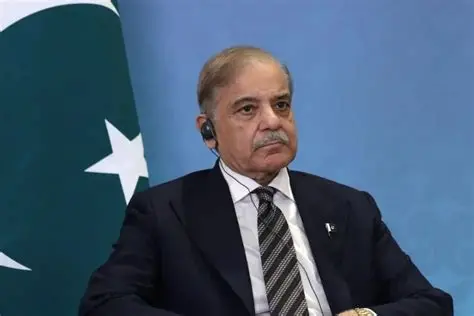
Islamabad: (PPF) Nine press freedom and human rights organisations wrote to Prime Minister Shehbaz Sharif, urging immediate action to address the r
Apex Court of Pakistan dismisses civilian appeals against military convictions

Islamabad: August 29, 2016. (Reuters) Pakistan's Supreme Court on Monday upheld verdicts and death sentences in the cases of 16 civilians convicted of terrorism-related offences by military courts, the first time the highest court has ruled on the legality of cases tried by the military.
A five-member bench ruled that the appellants had not proved the military violated their constitutional rights or failed to follow procedure, in a blow to some activists who contend the courts routinely violate people's rights.
Pakistan's government empowered military courts to try civilian terrorism suspects in January 2015, following an attack by Pakistani Taliban militants on a school in Peshawar that killed more than 130 pupils.
The military has so far convicted 104 civilians in the secret tribunals. Of those, 100 have been sentenced to death, and four to life imprisonment. All but six are said by the military to have confessed.
Those whose appeals were dismissed on Monday included nine members of the Tehreek-e-Taliban Pakistan (TTP) and two al-Qaeda members, according to Pakistan's military. Two convicts are said to have been involved in the Peshawar school killings.
Pakistan has been battling the TTP, an umbrella organization of militant groups fighting to impose strict Islamic law, and its allies including al-Qaeda since 2007.
Lawyers for all 16 convicts contended their clients had been tried in secret, without access to legal counsel of their choice, and that their confessions had been recorded illegally. They also claimed they were denied access to military court records when preparing their appeals.
The complaints echoed those made by lawyers and families of those convicted by the courts to Reuters. Two families and one lawyer said they had been threatened after filing appeals. Several told Reuters that confessions were "coerced" by the military.
Sajid Ilyas Bhatti, the deputy attorney general representing the government, denied the appellants' claims, saying they had been accorded their rights.
He argued that military court proceedings were "immune from challenge on the ground of any alleged violation of the fundamental rights".
In its 182-page judgment, the court concluded that the appellants failed to prove wrongdoing on the part of the military authorities.
You May Also Like
Islamabad: (PPF) A judicial magistrate in Islamabad granted the National Cyber Crime Investigation Agency (NCCIA) three-day physical remand of jour
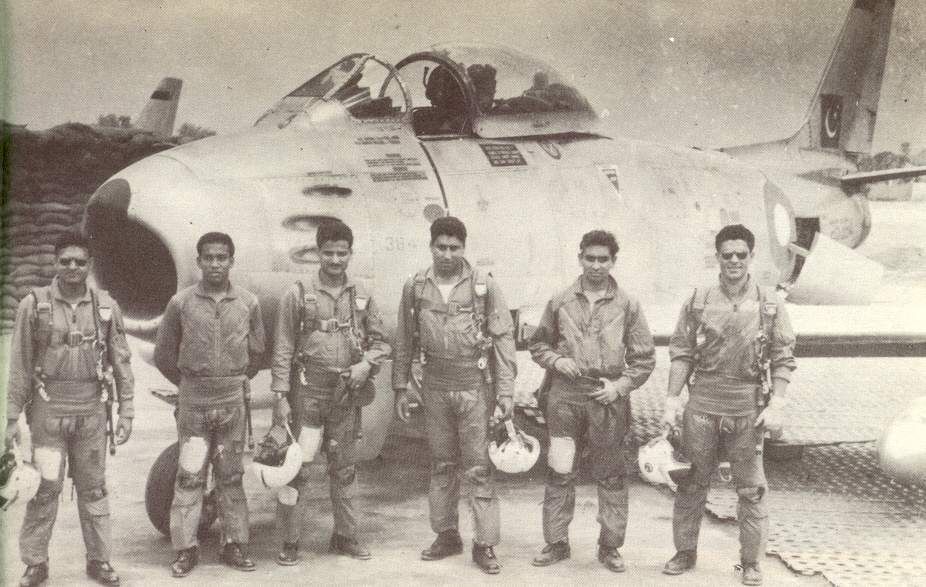
There are victories that end when the guns fall silent, and others that continue to shape a nation’s conscience long after the battlefield ha


PCP need your support that we may provide you better services: click on donate


"Trial of Pakistani Christian Nation" By Nazir S Bhatti
On demand of our readers, I have decided to release E-Book version of "Trial of Pakistani Christian Nation" on website of PCP which can also be viewed on website of Pakistan Christian Congress www.pakistanchristiancongress.org . You can read chapter wise by clicking tab on left handside of PDF format of E-Book.