

There can’t be anything more damaging for a country than its government which thinks that only traditional policies and practices are t
Who is responsible for the economic backwardness of Pakistani Christians? By Dr. Emanuel Adil Ghouri
It is a bitter reality that the vast majority of Pakistani Christians live in extreme poverty, deprived of the basic necessities of life, health, education, proper housing, food, and employment facilities.
A 2012 survey in Lahore found that the average monthly income of a Christian family of five was US$138, a per capita daily income of 92 cents, well below the poverty line defined by the World Bank. In contrast, the average monthly income of all Pakistanis during the same year was US$255.There are several underlying causes of poverty among Christians, such as the unfair distribution of the country's economic resources, the monopoly of financial resources by the Muslim majority, the lack of equal opportunities for development and the blocking of the development process among Christians on the basis of religious prejudice. These include challenges in accessing certain types of employment which limit economic opportunities. Poverty is not just economic but a multifaceted crisis that stems from deep-rooted religious intolerance, social exclusion and systemic barriers that prevent them from achieving economic success
Christians in Pakistan are poor due to discrimination associating them with a lower-caste Dalit background which limits them to menial low-wage jobs like cleaning Even today most Christians living in large cities are recruited for low-paying jobs in cleaning sectors. Newspaper advertisements for cleaning workers including those of government agencies are explicitly reserved for non-Muslims. One of the Catholic news agencies, UCA News, reported that in May 2017, the Hyderabad Municipal Corporation had issued a call for 450 sanitation workers offering contracts that required employees to be non-Muslims and to take this oath I swear on my faith that I will only work in the position of a sanitary worker and will not refuse any work In the northwestern city of Peshawar about 80 percent of Christians are involved in sanitation work just as they do in urban areas.
Similarly, in rural areas far from the city, these people work in brick kilns. Labor in brick kilns is a modern form of slavery. Families - many of them Christians - take out small loans to meet emergencies and then get trapped in a trap of high interest rates and unfair deductions. With over 20,000 kilns across the country it is estimated that 3-4 million people work as bricklayers, and a disproportionate number are Christians Children as young as eight work alongside their parents their dreams dimmed by the reality of the generational debt. Families lose their freedom, dignity, and the ability to hope for something better. Often, these people resort to religious conversion to escape debt.
For 78 years, Pakistani Christian religious leadership and NGO mafia have received millions of dollars from European and American donor agencies to alleviate their poverty and provide them with a better standard of living but no steps have been taken to change their lives. Due to this, they are getting poorer and poorer generation after generation. It is very important to resolve these complex and interrelated issues to improve the socio-economic situation of the Christian community in Pakistan. It is necessary that the closed doors of missionary educational institutions be opened for these poor children, that they be provided with religious education along with secular education, that their daughters be given technical education along with education so that they can move towards better employment and that better employment opportunities be created for capable and educated youth Better employment opportunities should be created for talented and educated youth. Recently, Pakistan's Ministry of Overseas Pakistanis has obtained a quota of 10,500 jobs annually from the Italian government. Does the Church not have access to international institutions to create such facilities for its people that can lead to a major economic revolution? There is a large number of poorly educated but skilled Christians who manufacture surgical sports equipment, leather jackets and other products in their small factories under international standard conditions. The church can use its resources to give them access to international markets. Instead of spending millions of dollars annually on spiritual gatherings, it can encourage unemployed Christian youth to start businesses by providing small loans.
If the church leadership decides to improve the economic condition of Pakistani Christians, I can confidently say that Christians can become the richest nation in Pakistan.
The church should use the Christian institutions under its influence not only for commercial purposes but also for the development and advancement of Christians because the early missionaries established them to raise the standard of living of Christians. After the establishment of Pakistan, we do not see any significant achievement of the church in expanding these institutions. Similarly there is no clear role for Christian organizations that collect dollars from around the world in the name of Christians On the contrary, local Muslim communities, with the help of local donors, are performing excellent services for the betterment of their poor people, the work that the early missionaries did and are doing today. Jamaat-e-Islami (JI) Pakistan runs a vast network of educational and social welfare institutions, with Hira Schools and Colleges operating as a major project, running more than 215 schools and 10 colleges across the country. Managed by the Hera National Education Foundation since 1997, these institutions provide affordable education from pre-school to college level, serving 60,000 students across Pakistan. The group is also working to establish an IT university in Karachi in 2026. Similarly, Muslim religious scholar Maulana Tahir-ul-Qadri's party, Awami Tehreek-Minhaj-ul-Quran, is working to educate and train poor Muslims. Minhaj-ul-Quran International (MQI) runs a vast network of educational institutions in Pakistan that are accredited by the HEC.
Minhaj College for Women (MCW), and Aghosh Grammar Schools. This network extends to schools, colleges and specialized institutions that provide modern education. Minhaj Education Society has a vast educational network with over 572 schools and 42 colleges/IT centers in Pakistan. It also runs 69 cultural and educational centers around the world. This network includes the Chartered Minhaj University Lahore. If groups like Jamaat-e-Islami and Minhaj-ul-Quran can establish colleges and universities in the country, then why can't church institutions that are supported by international donors establish universities, medical engineering and law colleges for Christians in Pakistan? The only difference is that the church has no plan for the development, prosperity, poverty and unemployment of its people because they themselves have all the facilities for a better life, their children pursue higher education abroad, and their properties and businesses are abroad. Educated Christian youth should begin the process of holding them accountable so that their attention can be focused on the problems of poor Christians.
A 2012 survey in Lahore found that the average monthly income of a Christian family of five was US$138, a per capita daily income of 92 cents, well below the poverty line defined by the World Bank. In contrast, the average monthly income of all Pakistanis during the same year was US$255.There are several underlying causes of poverty among Christians, such as the unfair distribution of the country's economic resources, the monopoly of financial resources by the Muslim majority, the lack of equal opportunities for development and the blocking of the development process among Christians on the basis of religious prejudice. These include challenges in accessing certain types of employment which limit economic opportunities. Poverty is not just economic but a multifaceted crisis that stems from deep-rooted religious intolerance, social exclusion and systemic barriers that prevent them from achieving economic success
Christians in Pakistan are poor due to discrimination associating them with a lower-caste Dalit background which limits them to menial low-wage jobs like cleaning Even today most Christians living in large cities are recruited for low-paying jobs in cleaning sectors. Newspaper advertisements for cleaning workers including those of government agencies are explicitly reserved for non-Muslims. One of the Catholic news agencies, UCA News, reported that in May 2017, the Hyderabad Municipal Corporation had issued a call for 450 sanitation workers offering contracts that required employees to be non-Muslims and to take this oath I swear on my faith that I will only work in the position of a sanitary worker and will not refuse any work In the northwestern city of Peshawar about 80 percent of Christians are involved in sanitation work just as they do in urban areas.
Similarly, in rural areas far from the city, these people work in brick kilns. Labor in brick kilns is a modern form of slavery. Families - many of them Christians - take out small loans to meet emergencies and then get trapped in a trap of high interest rates and unfair deductions. With over 20,000 kilns across the country it is estimated that 3-4 million people work as bricklayers, and a disproportionate number are Christians Children as young as eight work alongside their parents their dreams dimmed by the reality of the generational debt. Families lose their freedom, dignity, and the ability to hope for something better. Often, these people resort to religious conversion to escape debt.
For 78 years, Pakistani Christian religious leadership and NGO mafia have received millions of dollars from European and American donor agencies to alleviate their poverty and provide them with a better standard of living but no steps have been taken to change their lives. Due to this, they are getting poorer and poorer generation after generation. It is very important to resolve these complex and interrelated issues to improve the socio-economic situation of the Christian community in Pakistan. It is necessary that the closed doors of missionary educational institutions be opened for these poor children, that they be provided with religious education along with secular education, that their daughters be given technical education along with education so that they can move towards better employment and that better employment opportunities be created for capable and educated youth Better employment opportunities should be created for talented and educated youth. Recently, Pakistan's Ministry of Overseas Pakistanis has obtained a quota of 10,500 jobs annually from the Italian government. Does the Church not have access to international institutions to create such facilities for its people that can lead to a major economic revolution? There is a large number of poorly educated but skilled Christians who manufacture surgical sports equipment, leather jackets and other products in their small factories under international standard conditions. The church can use its resources to give them access to international markets. Instead of spending millions of dollars annually on spiritual gatherings, it can encourage unemployed Christian youth to start businesses by providing small loans.
If the church leadership decides to improve the economic condition of Pakistani Christians, I can confidently say that Christians can become the richest nation in Pakistan.
The church should use the Christian institutions under its influence not only for commercial purposes but also for the development and advancement of Christians because the early missionaries established them to raise the standard of living of Christians. After the establishment of Pakistan, we do not see any significant achievement of the church in expanding these institutions. Similarly there is no clear role for Christian organizations that collect dollars from around the world in the name of Christians On the contrary, local Muslim communities, with the help of local donors, are performing excellent services for the betterment of their poor people, the work that the early missionaries did and are doing today. Jamaat-e-Islami (JI) Pakistan runs a vast network of educational and social welfare institutions, with Hira Schools and Colleges operating as a major project, running more than 215 schools and 10 colleges across the country. Managed by the Hera National Education Foundation since 1997, these institutions provide affordable education from pre-school to college level, serving 60,000 students across Pakistan. The group is also working to establish an IT university in Karachi in 2026. Similarly, Muslim religious scholar Maulana Tahir-ul-Qadri's party, Awami Tehreek-Minhaj-ul-Quran, is working to educate and train poor Muslims. Minhaj-ul-Quran International (MQI) runs a vast network of educational institutions in Pakistan that are accredited by the HEC.
Minhaj College for Women (MCW), and Aghosh Grammar Schools. This network extends to schools, colleges and specialized institutions that provide modern education. Minhaj Education Society has a vast educational network with over 572 schools and 42 colleges/IT centers in Pakistan. It also runs 69 cultural and educational centers around the world. This network includes the Chartered Minhaj University Lahore. If groups like Jamaat-e-Islami and Minhaj-ul-Quran can establish colleges and universities in the country, then why can't church institutions that are supported by international donors establish universities, medical engineering and law colleges for Christians in Pakistan? The only difference is that the church has no plan for the development, prosperity, poverty and unemployment of its people because they themselves have all the facilities for a better life, their children pursue higher education abroad, and their properties and businesses are abroad. Educated Christian youth should begin the process of holding them accountable so that their attention can be focused on the problems of poor Christians.
You May Also Like
In Pakistan’s turbulent political landscape, Parliament remains the one institution where disagreement can be converted into dialogue and con
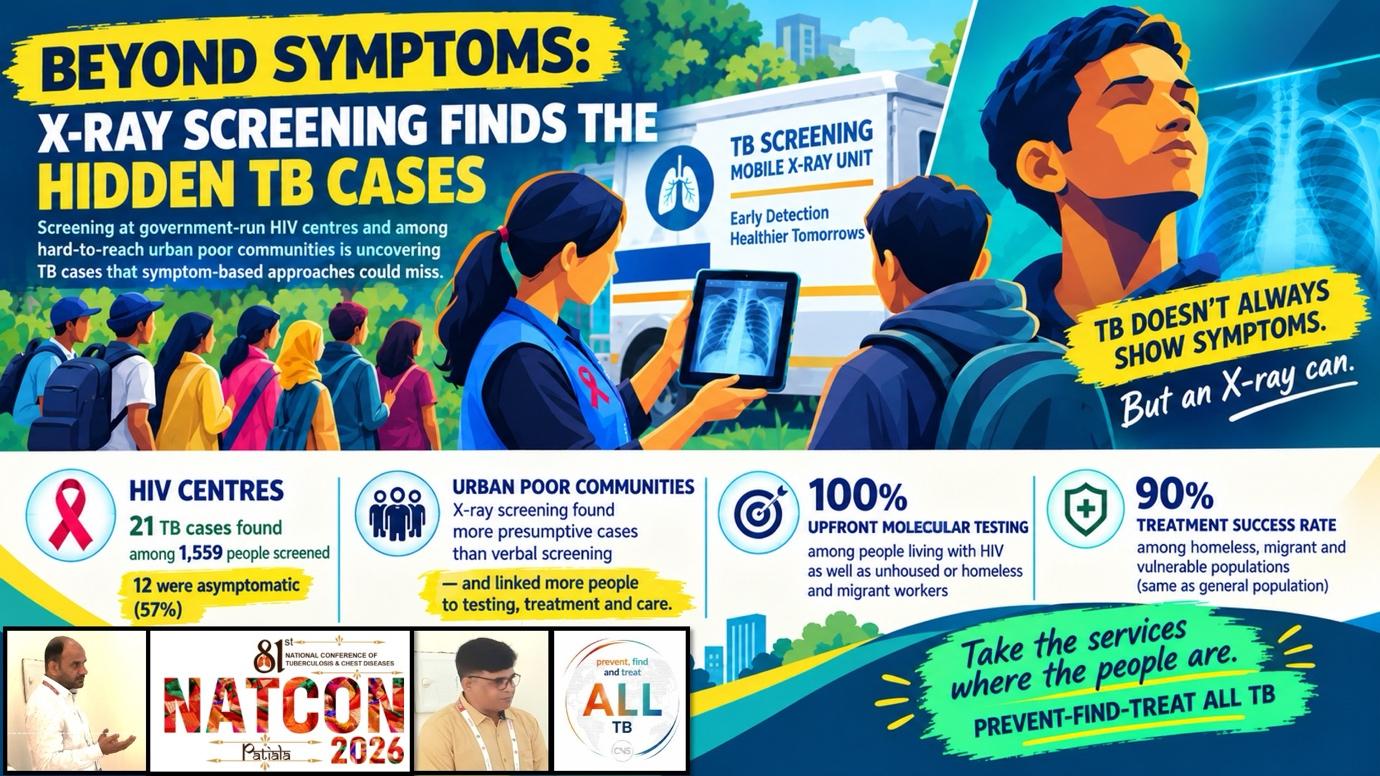
Some of the people diagnosed with TB in a couple of important community-based screening initiatives in Delhi did not come to the health facility co


PCP need your support that we may provide you better services: click on donate


"Trial of Pakistani Christian Nation" By Nazir S Bhatti
On demand of our readers, I have decided to release E-Book version of "Trial of Pakistani Christian Nation" on website of PCP which can also be viewed on website of Pakistan Christian Congress www.pakistanchristiancongress.org . You can read chapter wise by clicking tab on left handside of PDF format of E-Book.