

There can’t be anything more damaging for a country than its government which thinks that only traditional policies and practices are t
Upholding the UN Charter Must Begin with Justice in Kashmir. By Dr. Ghulam Nabi Fai, Chairman, World Forum for Peace & Justice
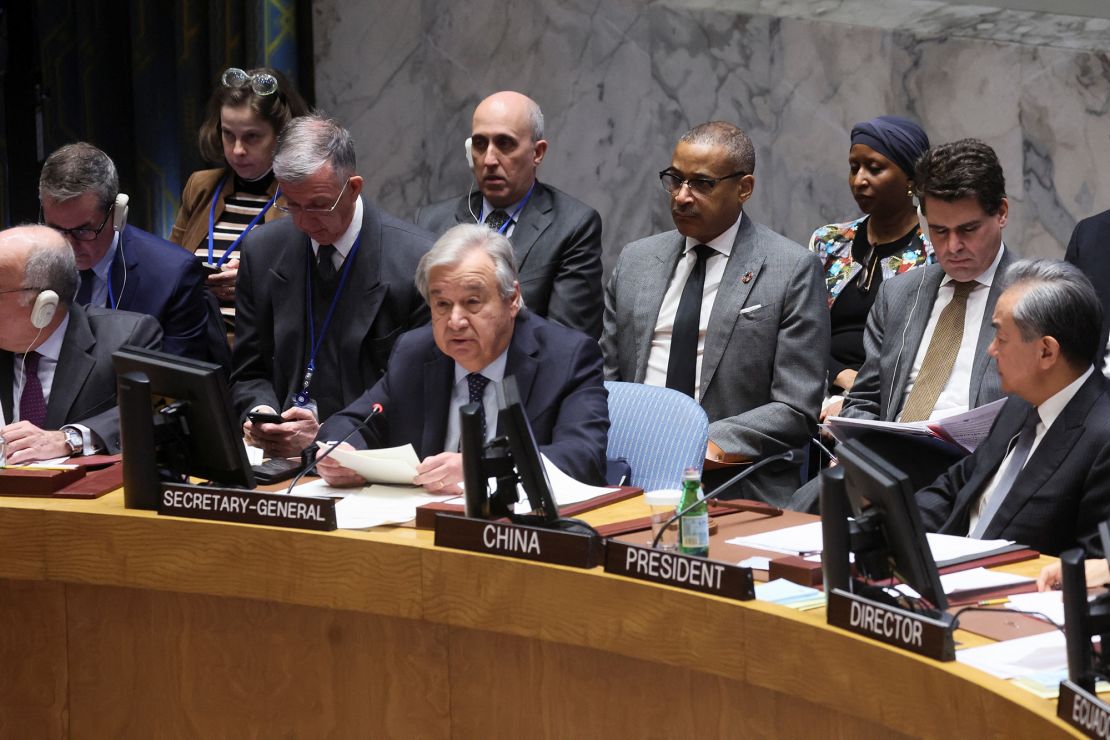
At a time when wars, occupations, and geopolitical rivalries threaten to erode the very foundations of international law, the United Nations Security Council’s high-level open debate convened by China as the President of Security Council on May 26, 2026, could not have been more timely. Held under the theme, “Upholding the Purposes and Principles of the UN Charter and Strengthening the UN-Centered International System,” the debate forced the international community to confront an uncomfortable but unavoidable question: Can the United Nations still claim moral authority if its own resolutions continue to be selectively implemented?
The debate addressed serious concerns regarding double standards, selective adherence to the UN Charter, and the weakening credibility of multilateral institutions. Chinese Foreign Minister Wang Yi warned that “the giant ship of human civilization is sailing into dangerous waters,” while UN Secretary-General António Guterres described the Charter as “a survival guide for humanity.” These were not ceremonial remarks. They reflected a growing realization that the post-World War II international order is under strain as never before.
Ambassador Sanita Pavļuta-Deslandes of Latvia said, “The UN Charter is not a menu from which States may pick and choose the principles they like." “It is our duty to protect the UN Charter, in order for the UN Charter to protect us,” she affirmed.
Ambassador Vassily A. Nebenzia of the Russian Federation denounced the disregard and contempt shown for the Charter – "the cornerstone document" - which today has reached its peak. “Our duty is to cherish the Charter,”
Michael George DeSombre, Assistant Secretary of State for East Asian and Pacific Affairs of the United States said that we remain deeply invested in the mission of the UN. But the UN has not fully realized its goal of “saving succeeding generations from the scourge of war.” He called on those whose actions undermine the UN Charter, including at times permanent Council members, to "change course immediately".
Yet lofty declarations alone cannot rescue the credibility of the United Nations. The true measure of the UN Charter lies not in eloquent speeches delivered in New York, but in whether its principles are applied consistently — especially in conflicts where powerful states are involved. Nowhere is this contradiction more glaring than in Kashmir.
For nearly eight decades, the people of Jammu and Kashmir have lived under the shadow of an unresolved international dispute recognized by the United Nations itself. The issue is not merely bilateral, as some would like to portray it. It is embedded in the UN Charter, affirmed by multiple UN Security Council resolutions, and tied directly to the internationally recognized principle of self-determination.
When the Kashmir dispute first reached the United Nations in 1948, the Security Council adopted resolutions based on a simple and universally accepted principle: the future of Kashmir was to be determined in accordance with the wishes of its people through a free and impartial plebiscite under UN supervision. Those resolutions were not symbolic gestures. They were negotiated extensively with both India and Pakistan and accepted by both parties. They therefore constitute solemn international commitments.
The principle itself was endorsed unequivocally by India’s own Prime Minister Jawaharlal Nehru, who publicly declared that if the people of Kashmir chose not to remain with India, that verdict would be honored. History has preserved those promises. What history has not yet witnessed is their fulfillment.
The tragedy is not that a solution was never envisioned. The tragedy is that the political will to implement it gradually disappeared.
Today, Kashmir stands as one of the clearest examples of the international community’s selective application of international law. The same world powers that vigorously defend the sovereignty and rights of peoples elsewhere often remain silent when it comes to Kashmir. Such inconsistency weakens not only the UN Security Council but the entire moral structure upon which the international system claims legitimacy.
This silence becomes even more dangerous in light of recent developments in South Asia. The world witnessed during April and May 2025 how rapidly tensions between India and Pakistan — both nuclear powers — escalated toward the brink of catastrophe. The immediate ceasefire brokered through the intervention of President Donald J. Trump may have prevented disaster, but it did not address the root cause of the crisis. Kashmir remains the underlying flashpoint.
The international community must understand a fundamental reality: unresolved conflicts do not disappear merely because the world becomes distracted by newer crises. Gaza, Ukraine, Iran, Sudan, and other global emergencies deserve urgent attention, but that cannot become an excuse to ignore Kashmir. In fact, the erosion of international law in one region inevitably weakens it everywhere else.
The Secretary-General rightly warned during the Security Council debate that “when human rights fall, everything else tumbles.” Kashmir demonstrates precisely that danger. Prolonged militarization, suppression of political dissent, demographic anxieties, restrictions on civil liberties, and recurring instability continue to fuel resentment and mistrust. A conflict left unattended for generations cannot produce peace through silence.
The issue also carries enormous implications for international peace and security. Few regions in the world present such a volatile combination of unresolved territorial dispute, deep political grievances, and nuclear confrontation. Preventive diplomacy in Kashmir is therefore not charity; it is strategic necessity.
Critics often argue that too much time has passed for the UN resolutions on Kashmir to remain relevant. But international principles do not expire with age. If the passage of time were enough to nullify solemn international obligations, then the credibility of international law itself would collapse. The UN Charter does not become obsolete because it is difficult to enforce. Nor does the right of self-determination disappear because powerful actors find it inconvenient.
Indeed, the credibility of the United Nations depends precisely on whether it can uphold principles consistently even under difficult political circumstances.
The path forward need not be mysterious or revolutionary. What is required is serious diplomatic engagement rooted in international legality and inclusive dialogue. The United Nations Secretary-General, with the support of the Security Council, should initiate sustained facilitation efforts involving India, Pakistan, and the genuine leadership of the people of Kashmir. Durable peace cannot emerge from bilateral optics alone while excluding the very people whose future remains under dispute.
The world has seen the consequences of delayed action before — in Bosnia, Kosovo, Rwanda, and elsewhere. In each case, hesitation carried devastating human costs. Kashmir must not become another example of preventable tragedy ignored until it reaches irreversible proportions.
If the United Nations genuinely wishes to restore faith in the Charter it celebrated during the May 26, 2026 debate, then it must demonstrate that the principles of justice, self-determination, peaceful settlement of disputes, and human dignity apply universally — not selectively.
The peaceful resolution of Kashmir would not merely settle a regional dispute. It would reaffirm the relevance of the United Nations itself. It would show that international law still matters, that Security Council resolutions still carry meaning, and that diplomacy can prevail over perpetual confrontation.
Most importantly, it would prove that the UN Charter remains more than a document of noble aspirations. It would become once again what its founders intended it to be: a living instrument for peace, justice, and human dignity for all peoples.
(Dr. Fai is also Secretary General, World Kashmir Awareness Forum. He can be reached at: WhatsApp: 1-202-607-6435 gnfai2003@yahoo.com )
The debate addressed serious concerns regarding double standards, selective adherence to the UN Charter, and the weakening credibility of multilateral institutions. Chinese Foreign Minister Wang Yi warned that “the giant ship of human civilization is sailing into dangerous waters,” while UN Secretary-General António Guterres described the Charter as “a survival guide for humanity.” These were not ceremonial remarks. They reflected a growing realization that the post-World War II international order is under strain as never before.
Ambassador Sanita Pavļuta-Deslandes of Latvia said, “The UN Charter is not a menu from which States may pick and choose the principles they like." “It is our duty to protect the UN Charter, in order for the UN Charter to protect us,” she affirmed.
Ambassador Vassily A. Nebenzia of the Russian Federation denounced the disregard and contempt shown for the Charter – "the cornerstone document" - which today has reached its peak. “Our duty is to cherish the Charter,”
Michael George DeSombre, Assistant Secretary of State for East Asian and Pacific Affairs of the United States said that we remain deeply invested in the mission of the UN. But the UN has not fully realized its goal of “saving succeeding generations from the scourge of war.” He called on those whose actions undermine the UN Charter, including at times permanent Council members, to "change course immediately".
Yet lofty declarations alone cannot rescue the credibility of the United Nations. The true measure of the UN Charter lies not in eloquent speeches delivered in New York, but in whether its principles are applied consistently — especially in conflicts where powerful states are involved. Nowhere is this contradiction more glaring than in Kashmir.
For nearly eight decades, the people of Jammu and Kashmir have lived under the shadow of an unresolved international dispute recognized by the United Nations itself. The issue is not merely bilateral, as some would like to portray it. It is embedded in the UN Charter, affirmed by multiple UN Security Council resolutions, and tied directly to the internationally recognized principle of self-determination.
When the Kashmir dispute first reached the United Nations in 1948, the Security Council adopted resolutions based on a simple and universally accepted principle: the future of Kashmir was to be determined in accordance with the wishes of its people through a free and impartial plebiscite under UN supervision. Those resolutions were not symbolic gestures. They were negotiated extensively with both India and Pakistan and accepted by both parties. They therefore constitute solemn international commitments.
The principle itself was endorsed unequivocally by India’s own Prime Minister Jawaharlal Nehru, who publicly declared that if the people of Kashmir chose not to remain with India, that verdict would be honored. History has preserved those promises. What history has not yet witnessed is their fulfillment.
The tragedy is not that a solution was never envisioned. The tragedy is that the political will to implement it gradually disappeared.
Today, Kashmir stands as one of the clearest examples of the international community’s selective application of international law. The same world powers that vigorously defend the sovereignty and rights of peoples elsewhere often remain silent when it comes to Kashmir. Such inconsistency weakens not only the UN Security Council but the entire moral structure upon which the international system claims legitimacy.
This silence becomes even more dangerous in light of recent developments in South Asia. The world witnessed during April and May 2025 how rapidly tensions between India and Pakistan — both nuclear powers — escalated toward the brink of catastrophe. The immediate ceasefire brokered through the intervention of President Donald J. Trump may have prevented disaster, but it did not address the root cause of the crisis. Kashmir remains the underlying flashpoint.
The international community must understand a fundamental reality: unresolved conflicts do not disappear merely because the world becomes distracted by newer crises. Gaza, Ukraine, Iran, Sudan, and other global emergencies deserve urgent attention, but that cannot become an excuse to ignore Kashmir. In fact, the erosion of international law in one region inevitably weakens it everywhere else.
The Secretary-General rightly warned during the Security Council debate that “when human rights fall, everything else tumbles.” Kashmir demonstrates precisely that danger. Prolonged militarization, suppression of political dissent, demographic anxieties, restrictions on civil liberties, and recurring instability continue to fuel resentment and mistrust. A conflict left unattended for generations cannot produce peace through silence.
The issue also carries enormous implications for international peace and security. Few regions in the world present such a volatile combination of unresolved territorial dispute, deep political grievances, and nuclear confrontation. Preventive diplomacy in Kashmir is therefore not charity; it is strategic necessity.
Critics often argue that too much time has passed for the UN resolutions on Kashmir to remain relevant. But international principles do not expire with age. If the passage of time were enough to nullify solemn international obligations, then the credibility of international law itself would collapse. The UN Charter does not become obsolete because it is difficult to enforce. Nor does the right of self-determination disappear because powerful actors find it inconvenient.
Indeed, the credibility of the United Nations depends precisely on whether it can uphold principles consistently even under difficult political circumstances.
The path forward need not be mysterious or revolutionary. What is required is serious diplomatic engagement rooted in international legality and inclusive dialogue. The United Nations Secretary-General, with the support of the Security Council, should initiate sustained facilitation efforts involving India, Pakistan, and the genuine leadership of the people of Kashmir. Durable peace cannot emerge from bilateral optics alone while excluding the very people whose future remains under dispute.
The world has seen the consequences of delayed action before — in Bosnia, Kosovo, Rwanda, and elsewhere. In each case, hesitation carried devastating human costs. Kashmir must not become another example of preventable tragedy ignored until it reaches irreversible proportions.
If the United Nations genuinely wishes to restore faith in the Charter it celebrated during the May 26, 2026 debate, then it must demonstrate that the principles of justice, self-determination, peaceful settlement of disputes, and human dignity apply universally — not selectively.
The peaceful resolution of Kashmir would not merely settle a regional dispute. It would reaffirm the relevance of the United Nations itself. It would show that international law still matters, that Security Council resolutions still carry meaning, and that diplomacy can prevail over perpetual confrontation.
Most importantly, it would prove that the UN Charter remains more than a document of noble aspirations. It would become once again what its founders intended it to be: a living instrument for peace, justice, and human dignity for all peoples.
(Dr. Fai is also Secretary General, World Kashmir Awareness Forum. He can be reached at: WhatsApp: 1-202-607-6435 gnfai2003@yahoo.com )
You May Also Like
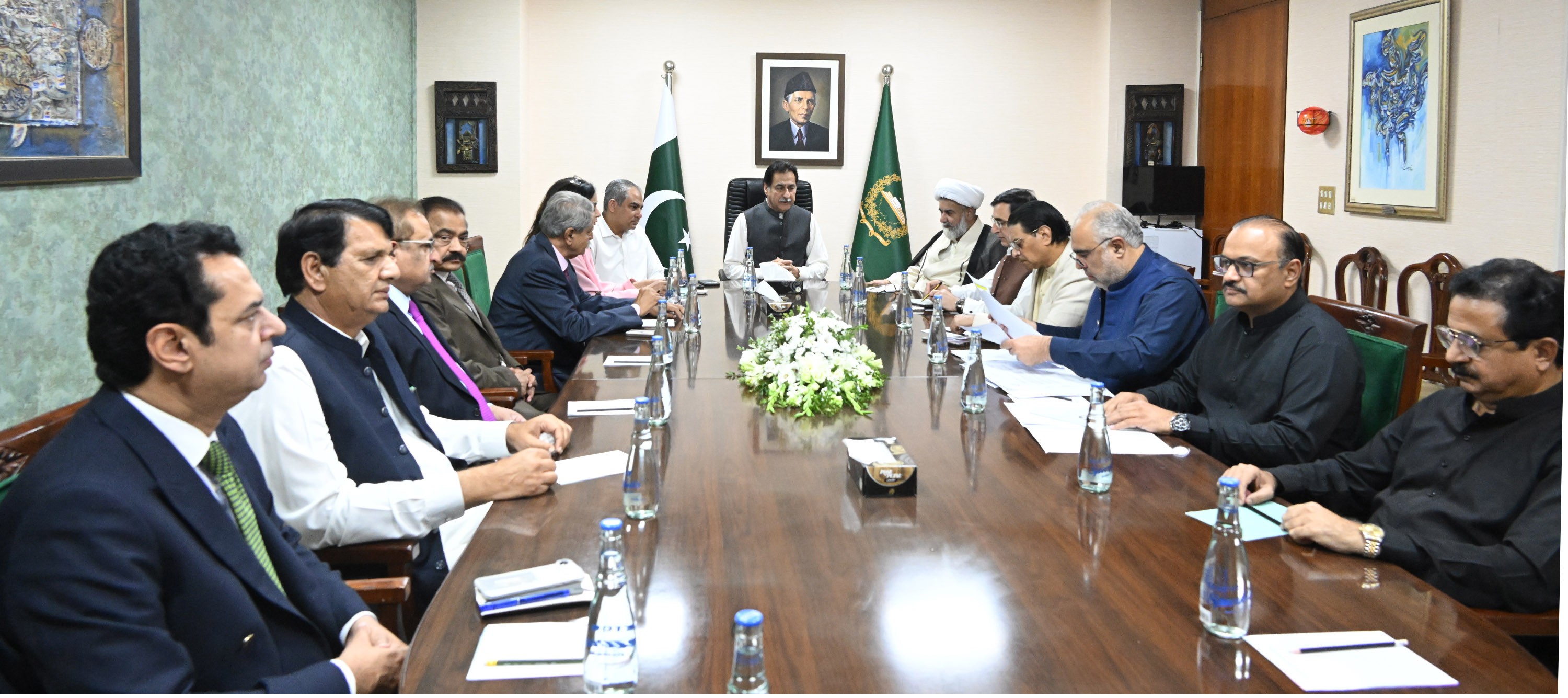
In Pakistan’s turbulent political landscape, Parliament remains the one institution where disagreement can be converted into dialogue and con

Some of the people diagnosed with TB in a couple of important community-based screening initiatives in Delhi did not come to the health facility co


PCP need your support that we may provide you better services: click on donate


"Trial of Pakistani Christian Nation" By Nazir S Bhatti
On demand of our readers, I have decided to release E-Book version of "Trial of Pakistani Christian Nation" on website of PCP which can also be viewed on website of Pakistan Christian Congress www.pakistanchristiancongress.org . You can read chapter wise by clicking tab on left handside of PDF format of E-Book.